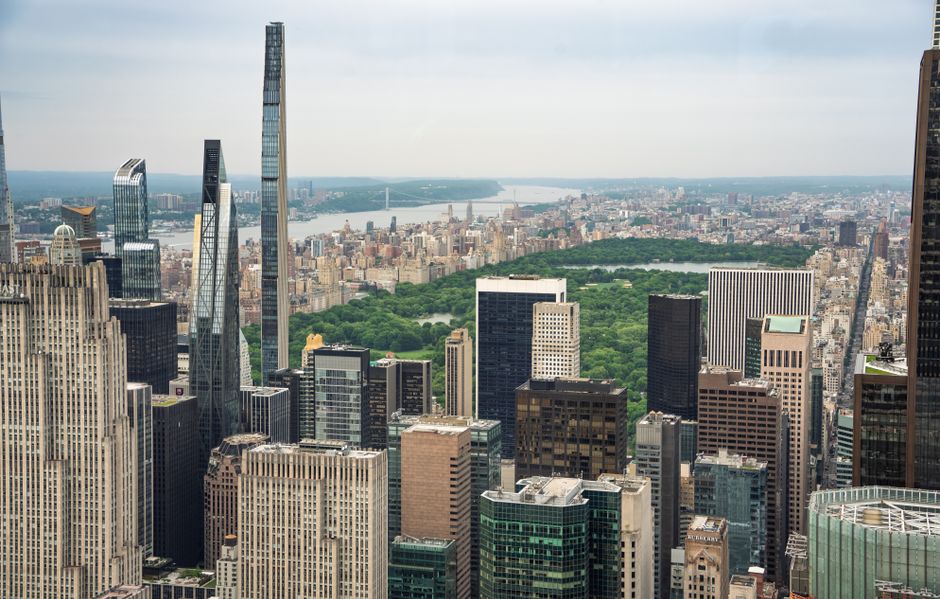
When the Bloomberg administration began rezoning East Williamsburg in 2005, few imagined the consequences would still reverberate across New York City two decades later. Yet that decision—opening 2.4 million square feet of industrial waterfront to residential development—became emblematic of how urban planners and politicians made choices that fundamentally shaped the housing crisis gripping the five boroughs today.
The roots of New York's current affordability crunch stretch back further. During the 1980s and 1990s, protective zoning regulations, originally designed to prevent overcrowding, became instruments of scarcity. Neighborhoods like Forest Hills, Jackson Heights, and Park Slope fought fiercely against density increases. The cumulative effect: restrictive zoning covered roughly 75 percent of Manhattan's residential land by the early 2000s, limiting how many units could legally be built.
"We created artificial scarcity," explains housing researcher at the NYU Furman Center for Real Estate and Urban Policy, reflecting on those decades. Between 2000 and 2020, median rent in neighborhoods from Astoria to Sunset Park roughly tripled, while median incomes grew less than 30 percent.
The Williamsburg rezoning did spur construction—but mostly luxury apartments. Developers found it more profitable to build high-end units in newly opened neighborhoods than to navigate the Byzantine process of securing affordable housing approvals. The result: waterfront blocks transformed into glass-and-steel towers while longtime residents faced displacement pressure.
Other decisions compounded the problem. The city's reliance on mandatory inclusionary zoning, implemented haphazardly across different districts, created a patchwork rather than a coordinated strategy. Neighborhoods like Long Island City and Astoria saw explosive growth, but affordable units lagged demand. Meanwhile, areas with the strongest community opposition to rezoning—much of the outer boroughs—remained locked in low-density constraints that prevented the housing supply from responding to demographic shifts.
By 2024, the median rent for a one-bedroom apartment in Manhattan exceeded $3,200. Outer boroughs experienced parallel spikes: Astoria, once affordable, now rivaled Midtown prices.
Today's policymakers inherit this fractured landscape. Calls for eliminating single-family zoning, streamlining approval processes, and expanding mandatory affordable housing reflect lessons learned from decades of incremental decisions. Yet reversing three decades of intentional scarcity remains enormously difficult.
The Williamsburg waterfront now stands as a monument to those choices—gleaming towers housing primarily wealthy residents, while the very workers who built them face commutes from increasingly distant neighborhoods.
This article was compiled by AI from the sources linked above and screened before publishing. See our editorial standards.