By the Numbers: How New York City's Budget Crisis Is ...
A newly released fiscal analysis reveals the stark arithmetic behind municipal decisions—and what the numbers tell us about where the city is heading.
A newly released fiscal analysis reveals the stark arithmetic behind municipal decisions—and what the numbers tell us about where the city is heading.
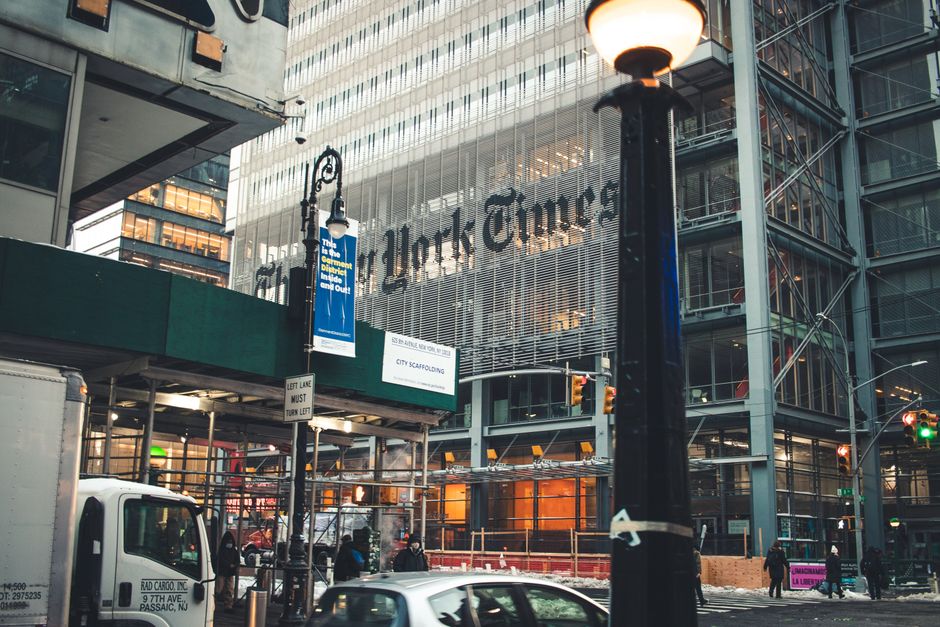
New York City's municipal government faces a $6.1 billion budget gap over the next four fiscal years, according to the Independent Budget Office's latest mid-year report released Tuesday. That sobering figure is reframing virtually every policy debate happening inside City Hall right now, from subway maintenance to affordable housing development across the five boroughs.
The numbers paint a picture of institutional strain. The city's tax revenue has declined 3.2 percent compared to the same period last year, driven partly by a downtown commercial real estate sector that generated $31.8 billion in assessed value in 2024 but is projected to decline further as office occupancy rates in Midtown and Lower Manhattan hover around 68 percent—the lowest since the pandemic. For context, pre-2020 average occupancy sat at 87 percent.
Department of Sanitation costs have spiked 12 percent annually, pushing the agency's budget to $1.96 billion as the city grapples with waste management across 6,300 miles of streets. Meanwhile, the NYPD budget remains the city's single largest departmental allocation at $11.2 billion—nearly double the combined budgets of the Department of Education's capital improvements and the Housing Authority's maintenance divisions.
The data reveals priorities in real time. Spending on homelessness services reached $4.2 billion in the fiscal year ending June 2025, yet the city's shelter census still peaked at 67,000 individuals in January before declining modestly to 61,500 by month's end. That's roughly one shelter resident per 130 New Yorkers.
Housing remains the arithmetic crisis underneath everything else. According to city planning data, only 12,247 permanently affordable units were created last year against a target of 17,000—a 28 percent shortfall. Meanwhile, median rent in neighborhoods like Astoria, Queens, and Sunset Park, Brooklyn, have climbed to $2,840 and $2,650 respectively, up 18 percent since 2023.
City Council members representing outer-borough districts have begun citing these precise figures in committee hearings, using the data to argue for reallocation toward infrastructure and affordable housing development. The Parks Department's maintenance budget of $731 million covers 30,000 acres across the city—roughly $24.37 per acre annually, a figure Park advocates argue is insufficient for adequate upkeep at sites like Prospect Park and Central Park.
Whether these numbers translate into policy change remains uncertain. What's clear is that every debate at City Hall this summer will be filtered through spreadsheets. The arithmetic, increasingly, is the argument.
This article was compiled by AI from the sources linked above and screened before publishing. See our editorial standards.
How does this story make you feel?
Spread the word
About this article
Published by The Daily New York
Daily brief
Free, in your inbox before 7am. Weekdays.
More in News