Venezuelan Community Jackson Heights Faces New Displacement Wave
Jackson Heights' 220,000 Venezuelan residents brace for migration surge as earthquakes devastate homeland. Local organizations report spike in asylum and housing inquiries.
Jackson Heights' 220,000 Venezuelan residents brace for migration surge as earthquakes devastate homeland. Local organizations report spike in asylum and housing inquiries.
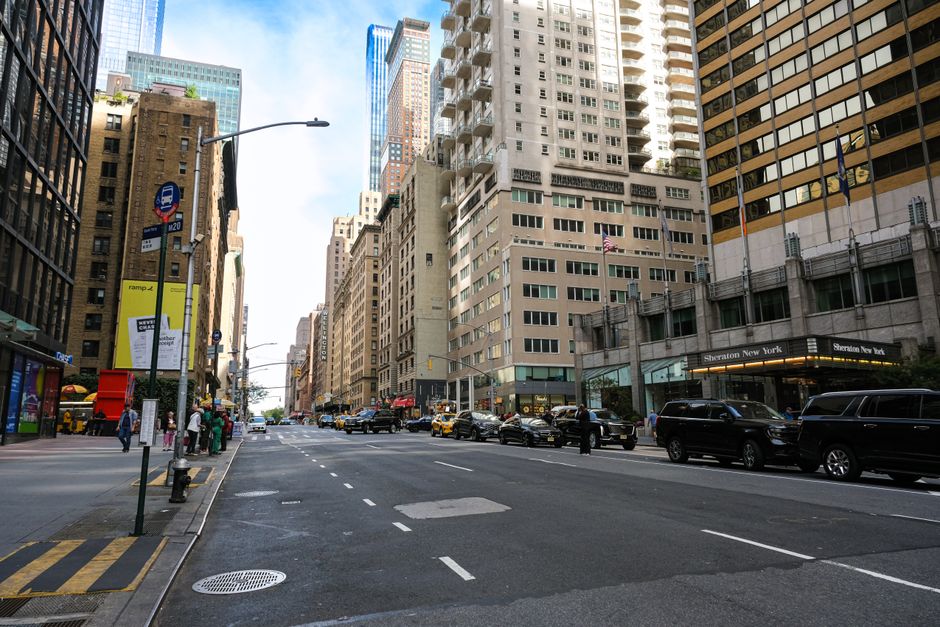
In the bustling corridors of the Jackson Heights–Roosevelt Avenue subway station, where Spanish echoes through packed trains and storefronts advertise remittance services, a growing sense of dread has settled over New York's Venezuelan community. As rescue operations continue in Venezuela following a series of devastating seismic events, locals here are bracing for what many fear will be another migration surge to the city that already hosts an estimated 220,000 Venezuelans—the largest concentration outside South America.
At the Venezuelan-American Civic Association's office on Roosevelt Avenue, community organizers report a spike in calls from relatives abroad seeking guidance on asylum procedures and housing options. "People are traumatized," said Maria Santos, a caseworker at the organization who has fielded dozens of inquiries since the earthquakes struck. "They're asking about everything—where to stay, how to work legally, how to bring their children. The desperation in their voices is real."
The economic stakes are considerable. Housing in Jackson Heights, where Venezuelan restaurants and bodegas line every block, has become increasingly scarce and expensive. A one-bedroom apartment in the neighborhood now averages $1,850 monthly—a 34 percent increase since 2020, according to real estate data tracked by local housing advocates. For newly arrived migrants already working low-wage service jobs, finding affordable shelter remains the primary barrier to stability.
At La Marqueta on East 116th Street in El Barrio—another hub of Venezuelan commerce—shop owners report heightened anxiety about both personal safety and economic viability. "If more people arrive without resources, everyone suffers," explained José Rodríguez, who manages a grocery stall specializing in Venezuelan products. "We want to help our people, but the city is already stretched thin."
Yet community leaders emphasize resilience. The Dominican-Venezuelan mutual aid network operating from churches in Washington Heights has already begun coordinating emergency housing lists and job placement services. "New York has always been a city of newcomers," noted Father Miguel Hernández at San Juan Bautista in Hamilton Heights. "Our job is ensuring people don't fall through the cracks."
For Venezuelan New Yorkers, the current crisis crystallizes an ongoing paradox: pride in the community they've built here, tempered by helplessness watching their homeland spiral. Many send remittances home—an average of $150 monthly per household, studies show—while quietly preparing for the possibility that more loved ones may soon knock on their doors, seeking the refuge that New York has already provided thousands before them.
This article was compiled by AI from the sources linked above and screened before publishing. See our editorial standards.
How does this story make you feel?
Spread the word
About this article
Published by The Daily New York
Daily brief
Free, in your inbox before 7am. Weekdays.
More in News