NYC Rental Yields by Neighborhood: 2024 Guide
Manhattan yields drop below 3% while Long Island City and Astoria outperform. Compare gross and net returns across NYC neighborhoods and discover where landlords are seeing real profits.
Manhattan yields drop below 3% while Long Island City and Astoria outperform. Compare gross and net returns across NYC neighborhoods and discover where landlords are seeing real profits.
The New York rental market has entered a peculiar moment. Vacancy rates across Manhattan have climbed to 3.8% this quarter—the highest since 2021—while Brooklyn and Queens tell a different story entirely. For property investors monitoring yields on their portfolios, the divergence matters enormously.
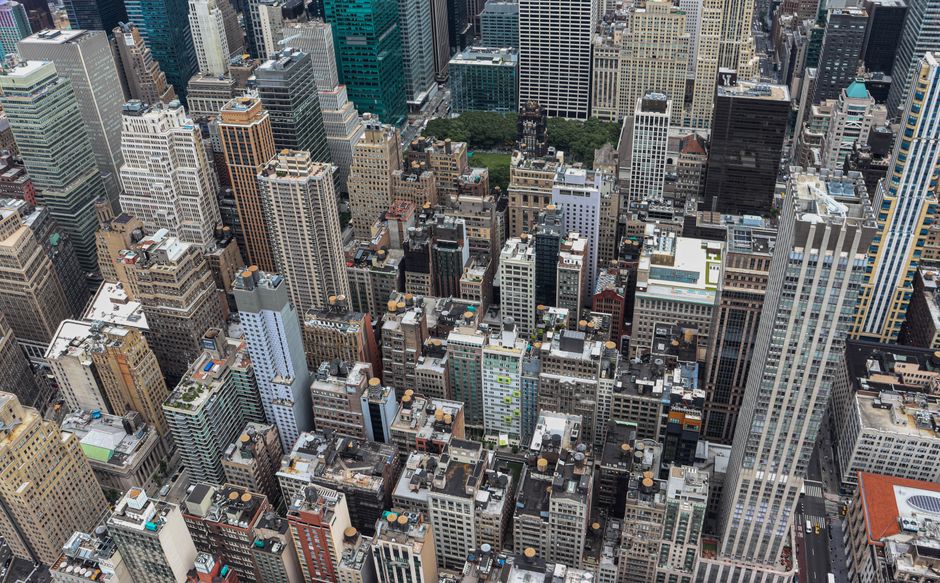
A mid-market one-bedroom in Midtown Manhattan, renting for $3,200 monthly on an $800,000 purchase price, generates a gross yield of just 4.8%. That's before maintenance, property tax, and building fees consume 30-40% of rental income. Net yields hover around 2.5-3%—barely outpacing Treasury bonds. Yet step into emerging neighborhoods like Long Island City or Astoria, and the calculus shifts dramatically. Similar units fetch $2,800 rent on $650,000 purchases, pushing gross yields to 5.2% and net yields toward 3.5-4%, assuming standard operating costs.
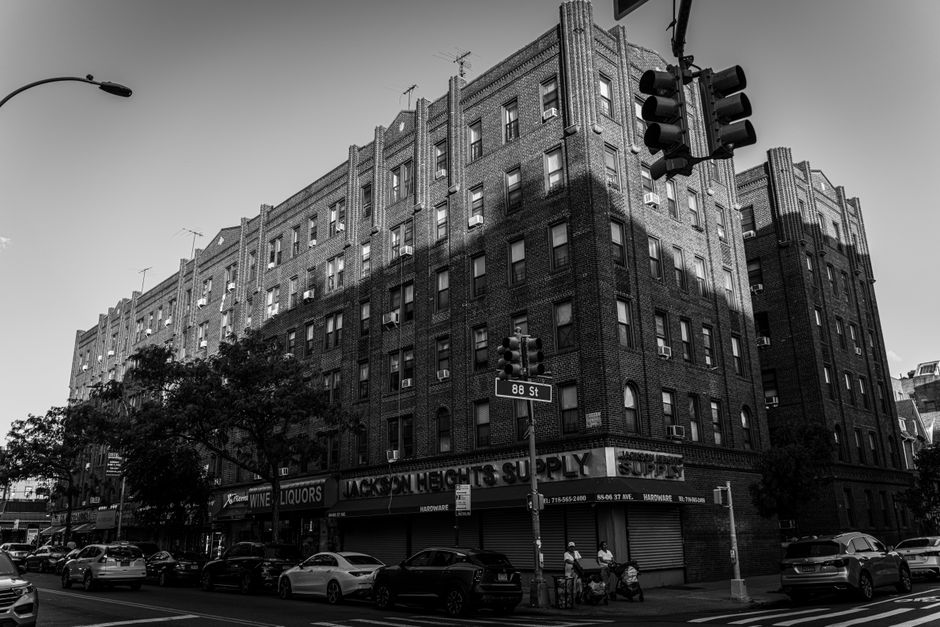
The Brooklyn surge tells an even more compelling narrative. Williamsburg and Park Slope—once trophy addresses—have softened. Williamsburg one-bedrooms average $3,100, unchanged year-over-year despite 4.1% vacancy. Investors who purchased here in 2022 at peak prices are underwater on yield expectations. Conversely, emerging pockets along the G train corridor in Greenpoint and around Prospect Heights near the Brooklyn Public Library are attracting both renters and owner-operators seeking 4-5% returns.
Manhattan's vacancy squeeze, counterintuitively, hasn't tightened rents. The influx reflects corporate relocations and visa-sponsored tenants, not sustained demand growth. Brokers report extended lease negotiations and concessions—free months, renovations—eroding headline rents. For small-time landlords dependent on consistent cash flow, this environment stings.
Institutional investors, however, are repositioning. Several major REITs have quietly shifted capital toward Queens developments near transit hubs like Jamaica Station and Forest Hills. The logic: densifying populations, younger demographics, and yields exceeding Manhattan by 100-150 basis points.
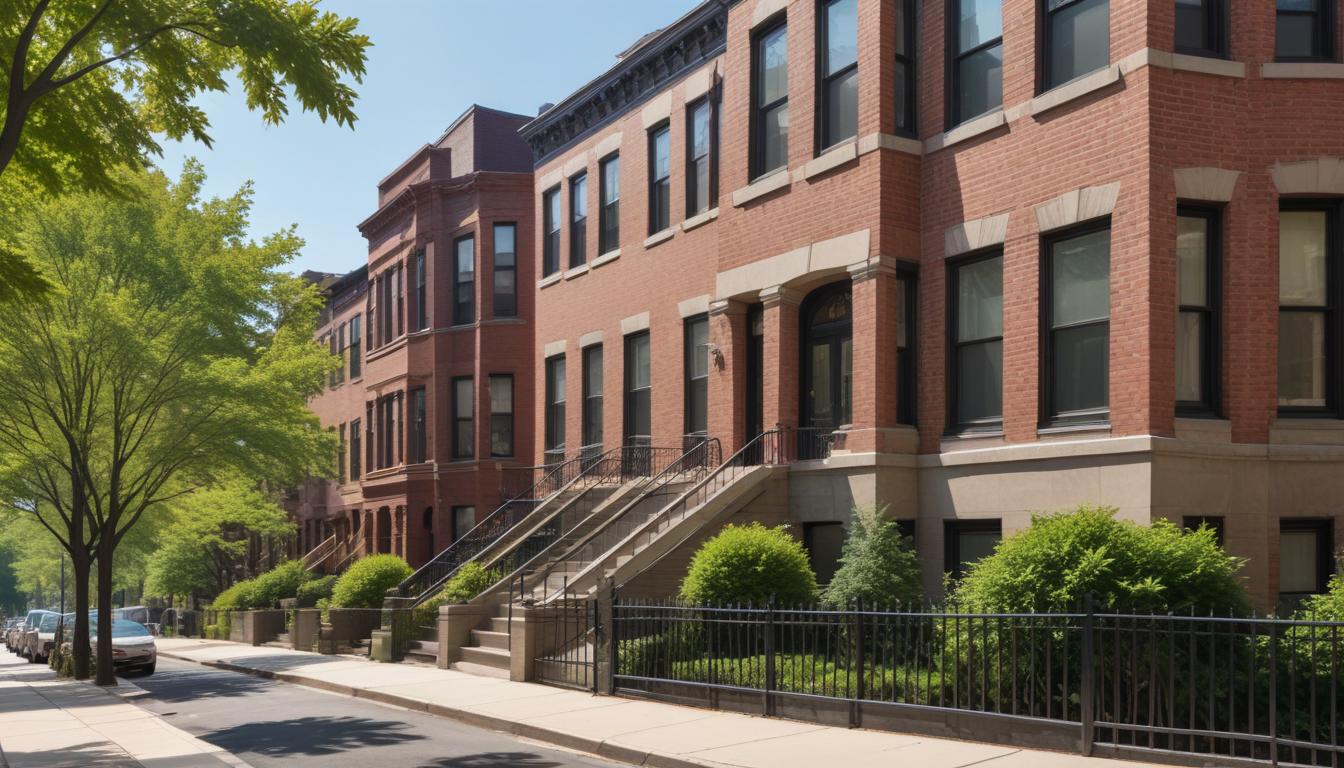
The city's expansion of Accessory Dwelling Unit zoning—permitting secondary units across much of Brooklyn and Queens—is reshaping investor calculus too. A $750,000 single-family home in Sunset Park can now legally rent a basement or garage unit for $1,200-1,500, boosting blended yields from 3% to 4.2%. This structural change may ultimately prove more significant than macro vacancy swings.
For renters, the verdict is mixed. Manhattan tenants benefit from landlord flexibility; outer-borough seekers face stiffening competition as investors recognize where returns actually live.
This article was compiled by AI from the sources linked above and screened before publishing. See our editorial standards.
How does this story make you feel?
Spread the word
About this article
Published by The Daily New York
Daily brief
Free, in your inbox before 7am. Weekdays.
More in Property