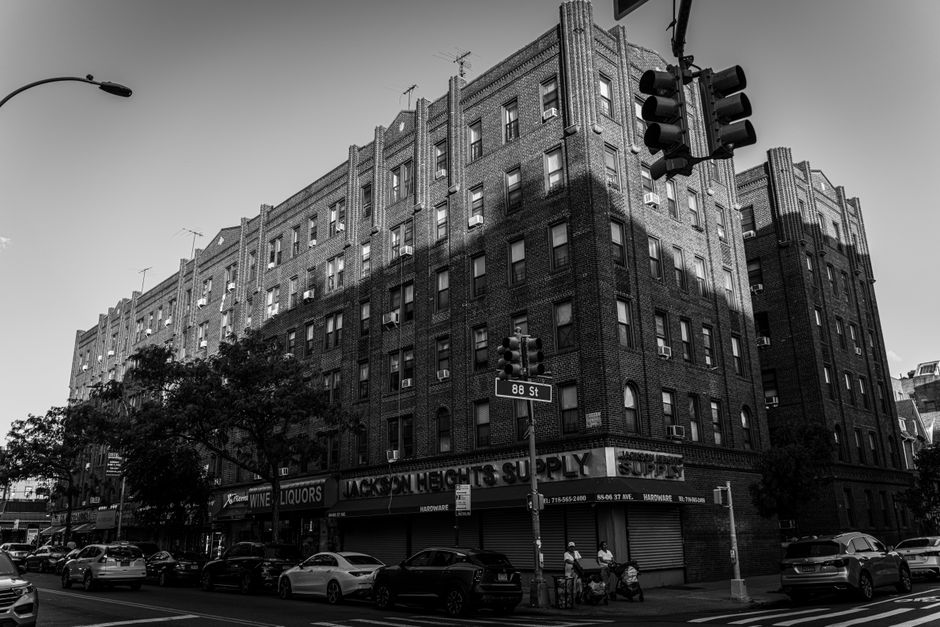
New York City's rental market stands at an inflection point. For the first time in over a decade, Manhattan's rental vacancy rate has climbed above 3.5%, signaling a fundamental shift in landlord-tenant dynamics. Yet this apparent relief for renters masks a more complex reality shaped by recent policy decisions that are reshaping neighborhoods from the Upper West Side to Astoria.
The catalyst? A combination of zoning reforms and tenant protection measures enacted over the past 18 months. The city's expansion of accessory dwelling unit (ADU) regulations—now permitting backyard apartments across most of the five boroughs—has introduced new rental supply while simultaneously fragmenting what renters can expect in terms of building standards and legal protections. A studio ADU in Park Slope, Brooklyn might rent for $1,800 monthly, while traditional market-rate apartments in the same neighborhood command $2,400 to $2,800.
Meanwhile, the strengthened Good Cause Eviction Law, enacted in 2023 and clarified further this year, has fundamentally altered landlord behavior. Properties in gentrifying areas like Long Island City and Williamsburg have seen ownership transitions accelerate—many smaller landlords divesting before anticipated rent-control impacts bite deeper. Major institutional investors, however, have doubled down, viewing the regulatory environment as a long-term stabilizer against speculative cycling.
The numbers tell the story. Median rents in Manhattan remain stubbornly high at $3,200 for a one-bedroom, but growth has stalled. Queens and Brooklyn have absorbed much of the demand migration, with Astoria, Forest Hills, and Sunset Park posting 8-12% annual rent increases despite new supply coming online. Brooklyn's vacancy rate now sits at 2.8%—the highest in five years—yet neighborhoods south of Prospect Park remain competitive marketplaces.
Organizations like the Housing Preservation Development (HPD) and the Rent Guidelines Board continue recalibrating policy in real time. The city's controversial decision to exclude newly constructed ADUs from rent stabilization for fifteen years has drawn criticism from tenant advocates but praise from developers viewing it as essential for housing expansion.
For renters navigating this environment, the lesson is clear: policy decisions made in City Hall translate directly to neighborhood conditions. Those seeking apartments in areas with recent zoning changes—Red Hook's waterfront rezoning, or the evolving East Harlem and East Bronx corridors—may find unexpected leverage. But in traditionally tight markets like the Financial District and Brooklyn Heights, competition remains fierce regardless of citywide vacancy trends.
As the 2026-2027 rental season approaches, both tenants and landlords are reading the policy tea leaves. The next twelve months will reveal whether these reforms genuinely expand access or simply shuffle scarcity across the map.
This article was compiled by AI from the sources linked above and screened before publishing. See our editorial standards.