Long Island City Real Estate Investment Guide 2024
Compare Long Island City rental yields (5.2–5.8%) to Manhattan's 2.3%. Discover why Queens waterfront properties attract savvy NYC investors seeking higher returns.
Compare Long Island City rental yields (5.2–5.8%) to Manhattan's 2.3%. Discover why Queens waterfront properties attract savvy NYC investors seeking higher returns.
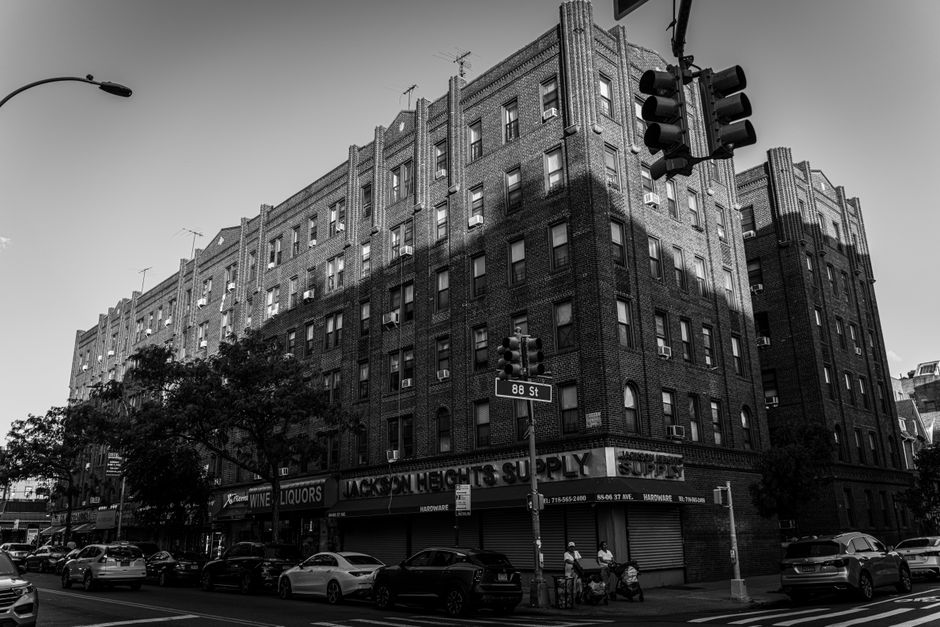
For years, Long Island City existed in Brooklyn's shadow—a utilitarian neighbourhood of warehouses and light industry wedged between the East River and the 7 train. Today, it's emerged as one of New York's most compelling investment plays for landlords seeking yield over prestige.
The numbers tell the story. A typical two-bedroom rental in Long Island City now commands $3,200–$3,600 monthly, generating gross yields of 5.2–5.8 per cent—substantially higher than Manhattan co-ops averaging 2.3 per cent. Entry-level investment properties hover around USD 750,000–$950,000, compared to USD 1.3 million-plus across the river. For landlords working within tighter capital constraints, that difference is transformative.
The catalyst has been deliberate urban planning. The Long Island City Development Framework, enacted between 2022 and 2024, fast-tracked residential zoning and public realm improvements along the waterfront promenade. Gantry Plaza State Park—once a hidden gem—now anchors a pedestrian corridor stretching from Anable Basin to Queensbridge Park. The opening of food halls like the Blade + Bow complex near Jackson Avenue, and the expanding roster of independent coffee roasters and galleries, has attracted young professionals and remote workers priced out of nearby Astoria and Park Slope.
Transit connectivity remains the bedrock advantage. The E, M, and G trains converge here; the N and W pass through Astoria just north. For tenants commuting to midtown or downtown, Long Island City offers faster access than equivalent Brooklyn addresses—and lower rents. That arbitrage has driven occupancy rates above 96 per cent, even through seasonal softness.
Crucially, the neighbourhood avoids the saturation plaguing Downtown Brooklyn or Williamsburg. Conversion projects are still selective, not speculative. Landlord associations like the Long Island City Civic Alliance maintain strong engagement with city planning, signalling stability rather than boom-bust volatility.
Of course, risks exist. Property tax reassessments are underway as valuations climb; investors should model for potential 15–25 per cent increases over three years. Retail vacancies linger on some blocks south of 43rd Avenue. And overcapitalisation remains possible if development accelerates too aggressively.
For New York landlords recalibrating portfolios, though, Long Island City offers a rare combination: genuine demand, reasonable entry price, and growth runway that doesn't require betting on celebrity tech billionaires or speculative zoning changes. It's the neighbourhood where fundamentals—not hype—drive returns.
This article was compiled by AI from the sources linked above and screened before publishing. See our editorial standards.
How does this story make you feel?
Spread the word
About this article
Published by The Daily New York
Daily brief
Free, in your inbox before 7am. Weekdays.
More in Property