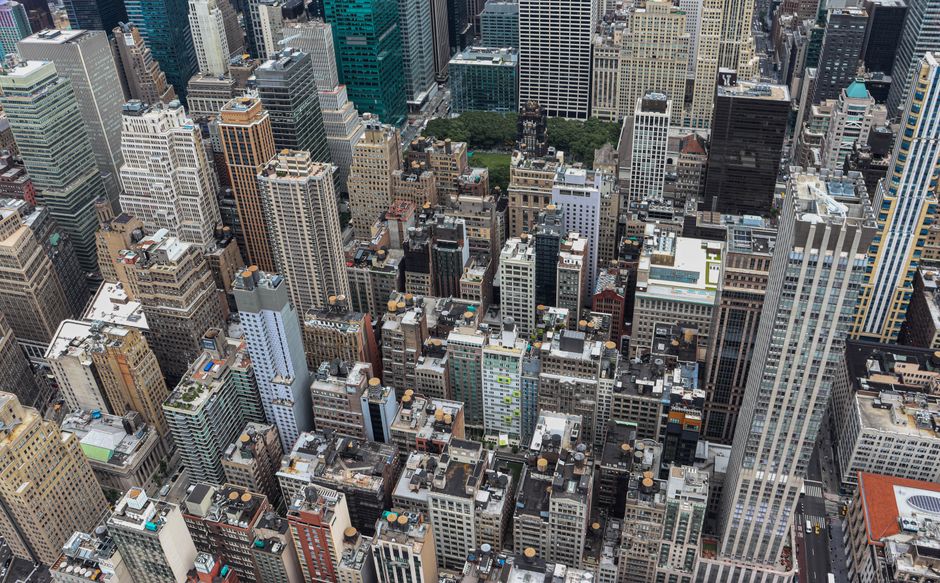
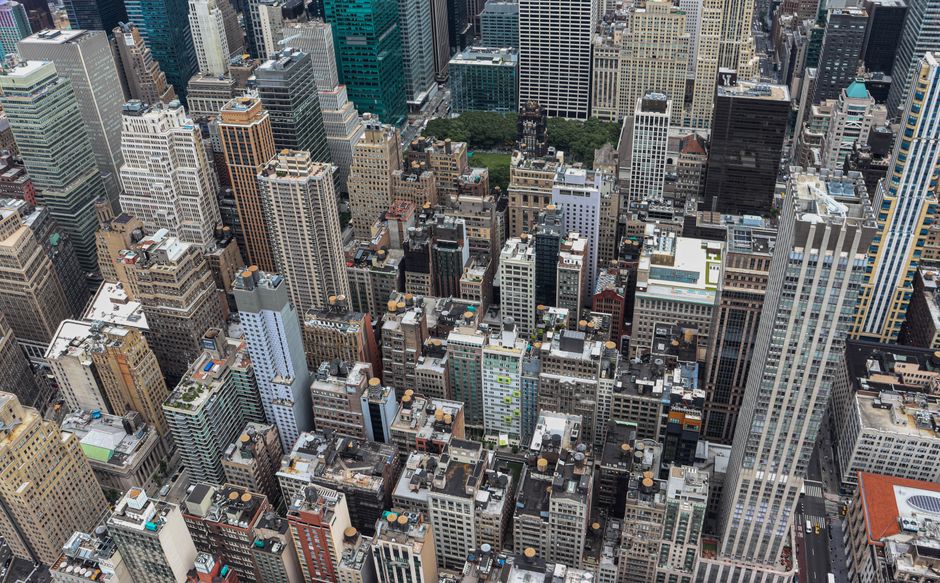
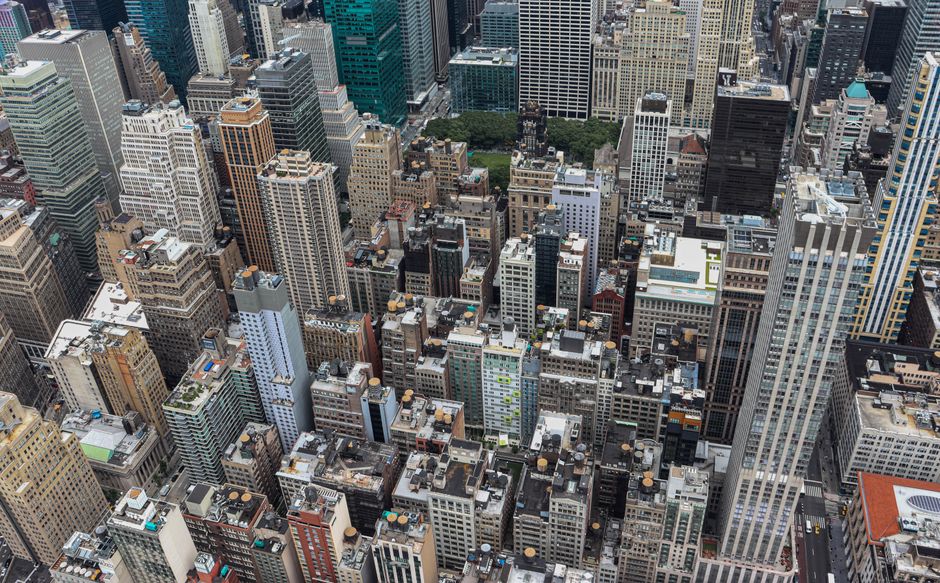
Manhattan's luxury market is undergoing its most significant architectural and demographic shift in a decade. Three major developments now under construction—collectively representing over $4 billion in investment—are poised to reshape established prestige neighbourhoods and create entirely new hierarchies of desirability among the city's wealthiest residents.
The most visible transformation is unfolding along the High Line corridor in Chelsea and the Meatpacking District. Beyond the existing cultural anchor of the Whitney Museum, new ultra-luxury residential towers are targeting buyers accustomed to trophy properties exceeding $15 million. These projects bring with them the infrastructure that defines modern prestige: private wellness facilities, wine storage, and curatorial art installation programmes. The result is migration pressure from traditional strongholds like Park Avenue and the Upper East Side, where median co-op and condo prices hover around $1.3 million—now perceived by ultra-high-net-worth individuals as merely aspirational rather than definitive.
On the Upper East Side itself, the transformation of the former Coliseum site on Columbus Circle represents a watershed moment. The mixed-use development brings residential units into proximity with cultural institutions including Lincoln Center, fundamentally altering the neighbourhood's character from purely residential to culturally integrated. Early pricing suggests penthouses will breach $40 million, positioning the area as competitive with Central Park South for Manhattan's most discerning buyers.
The development wave extends across the East River, where Brooklyn's waterfront continues its evolution from industrial to ultra-premium. Williamsburg and DUMBO now host new construction commanding prices that would have seemed impossible five years ago, with penthouses regularly exceeding $8 million. This shift is creating secondary-market opportunities in adjacent neighbourhoods like Park Slope and Prospect Heights, where developers anticipate spillover demand.
Yet these developments carry neighbourhood-wide implications beyond pricing. New construction typically brings increased foot traffic, altered street-level retail composition, and infrastructure pressures on local schools and transit systems. Community boards from the Upper West Side to Long Island City have expressed concerns about density and character preservation, even as tax revenues expand.
For investors and primary residence buyers, the calculus is clear: prestige today means proximity to cultural amenities, architectural significance, and market momentum. The neighbourhoods capturing new development capital are signalling to the market where the next generation of trophy properties will reside. The question for established Manhattan addresses is whether they maintain their traditional gravitas or become the reliable-but-dated choice for buyers unable or unwilling to enter the new construction premium.
This article was compiled by AI from the sources linked above and screened before publishing. See our editorial standards.