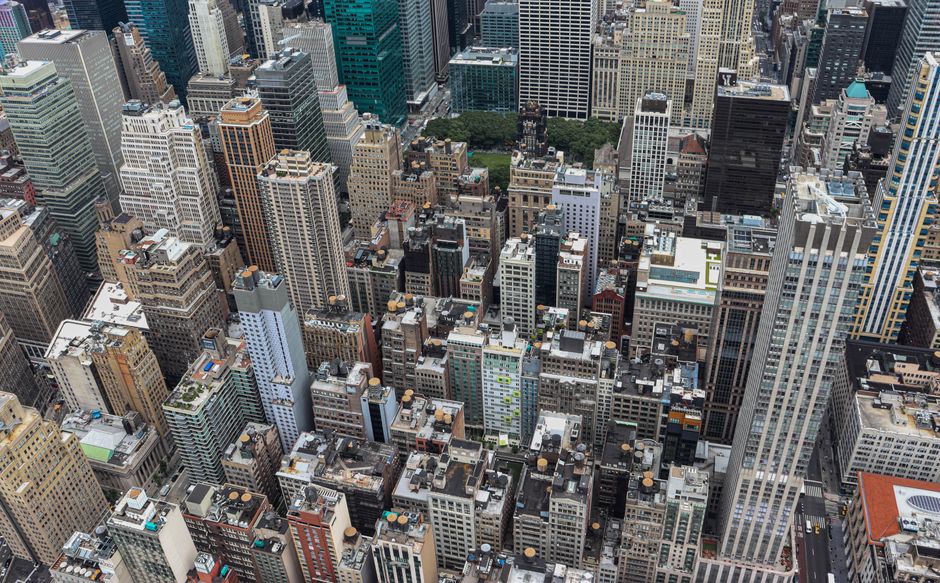
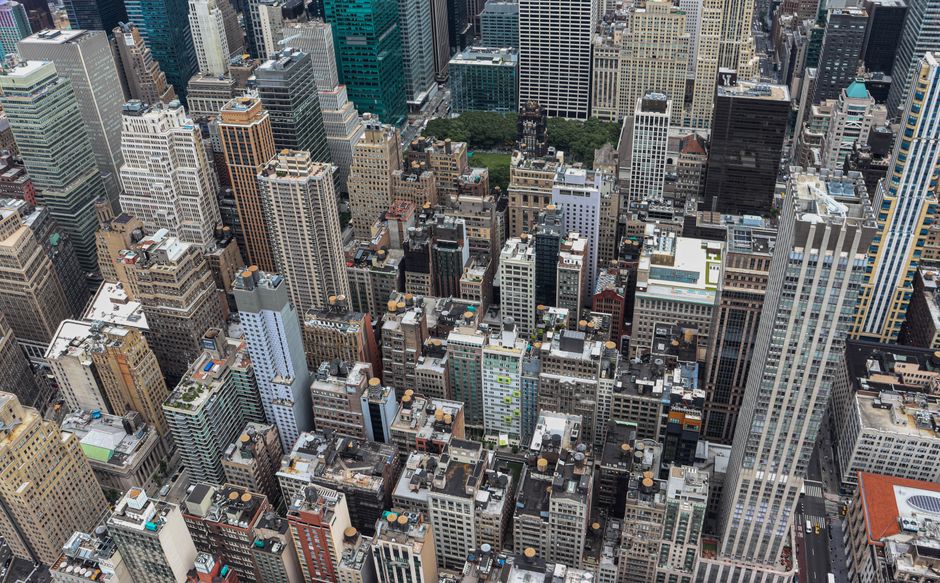
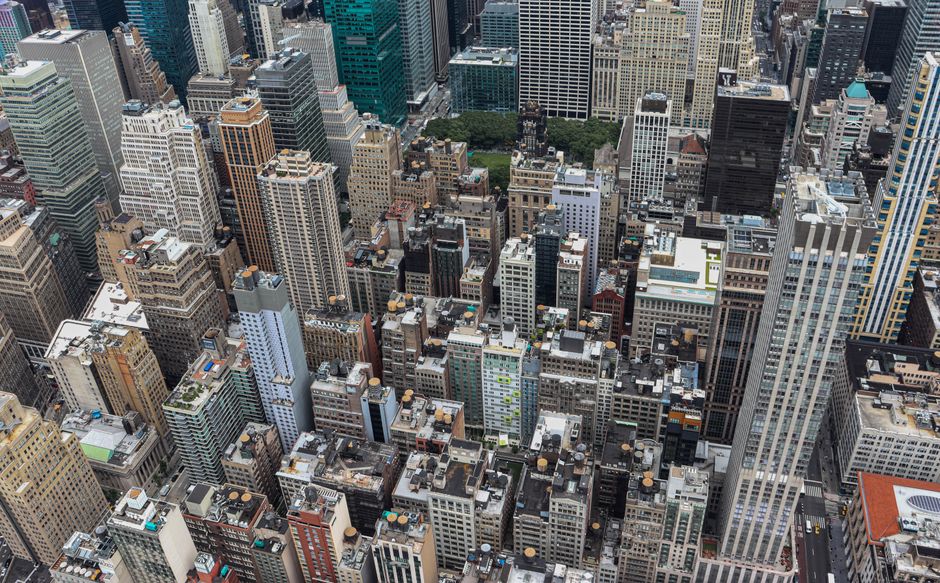
The luxury rental market in Manhattan has entered uncharted territory. A penthouse on the Upper East Side commands $15,000 monthly; a tastefully renovated two-bedroom in Tribeca hovers near $8,500. Yet beneath these eye-catching figures lies a more complex narrative reshaping how landlords and tenants negotiate one of America's most competitive housing markets.
For landlords, conditions have never appeared more favorable. The median rent for Manhattan apartments has climbed roughly 18% since 2023, with properties in coveted neighborhoods like the Financial District, Brooklyn Heights, and Park Slope experiencing even steeper appreciation. Major institutional investors—including large REITs and foreign capital funds—have acquired significant portfolios, professionalizing management but also intensifying pressure for yield maximization.
"We're seeing landlords leverage short-term rental cycles aggressively," explains Michael Chen, director of research at the Manhattan Tenants Union. "Between tenants, many owners are making significant upgrades and raising rents 20, 30, even 40 percent." This practice has accelerated tenant churn, particularly among younger professionals and mid-career residents who increasingly find themselves priced out of neighborhoods they've inhabited for years.
The human toll is substantial. Tenants in luxury buildings are navigating Byzantine lease negotiations, non-negotiable amenity fees, and landlords who increasingly demand proof of annual income at three times the monthly rent—a threshold that excludes even well-compensated professionals. Meanwhile, rent-stabilized apartments remain scarce, with waiting lists for new Mitchell-Lama housing stretching into years.
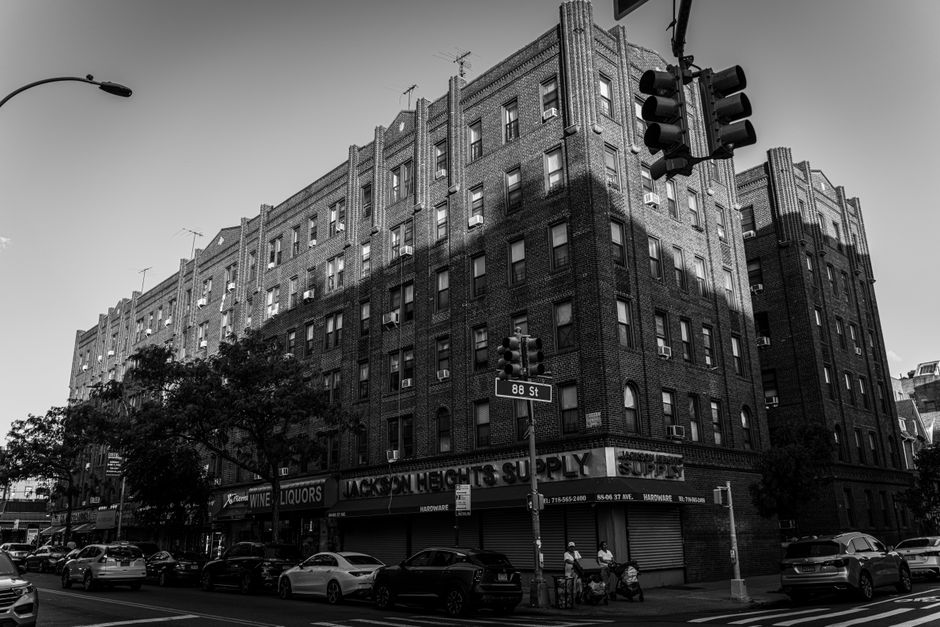
Paradoxically, landlords face mounting pressures of their own. Rising property taxes, increased labor costs, and regulatory uncertainty surrounding short-term rental restrictions have compressed margins. Properties that seemed profitable five years ago now require premium pricing just to maintain returns. Some landlords in outer boroughs like Astoria and Sunset Park report difficulty filling units despite competitive rates, suggesting the market's expansion is fracturing along geographic and demographic lines.
The structural imbalance is reshaping neighborhoods visibly. Long-time residents of the West Village, Carnegie Hill, and Brooklyn's Park Slope report accelerating displacement. Simultaneously, investments in outer-borough infrastructure—new subway improvements and commercial development—are pushing rental growth toward previously overlooked areas like Long Island City and Williamsburg.
As the summer rental season peaks, both landlords and tenants are adjusting expectations. Smart landlords are recognizing that sustainable returns require stable tenancy; forward-thinking tenants are relocating strategically before further displacement occurs. The luxury rental market, once a symbol of New York's prosperity, increasingly reflects the city's most fundamental challenge: making room for everyone.
This article was compiled by AI from the sources linked above and screened before publishing. See our editorial standards.