Manhattan Rental Yields Hit Three-Year High: What Investor Returns Really Show
As NYC vacancy rates tighten, property investors are seeing stronger rental returns—but the picture varies sharply by neighbourhood and asset class.
As NYC vacancy rates tighten, property investors are seeing stronger rental returns—but the picture varies sharply by neighbourhood and asset class.

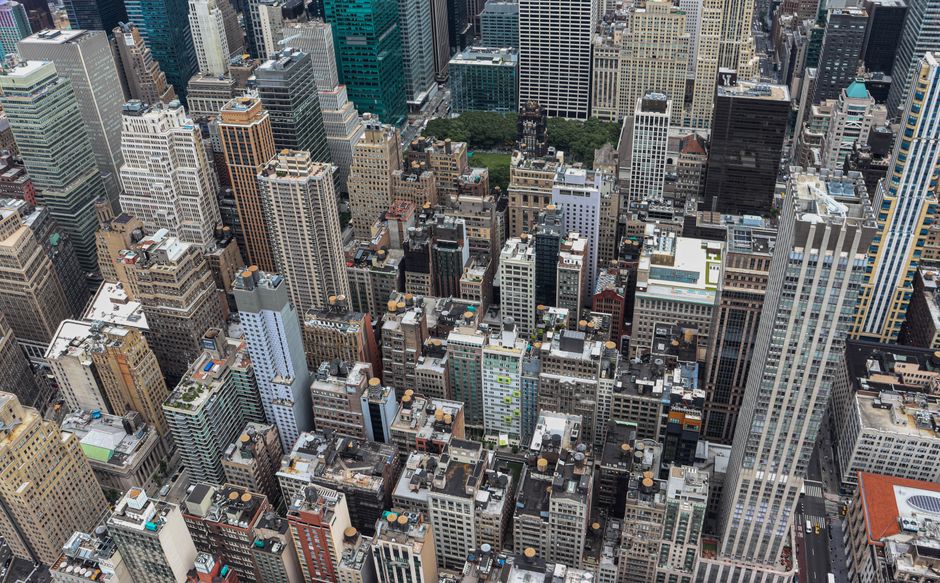
New York's rental market has shifted decisively in investors' favour. After three years of elevated vacancy rates and compressed yields, Manhattan's multifamily sector is posting returns that have caught the attention of institutional capital flooding back into the city.
Current data shows Manhattan's overall vacancy rate hovering near 3.2 per cent—down from 5.1 per cent in late 2023. For investors, that translates into tangible yield improvements. A typical two-bedroom rental on the Upper West Side, once commanding $4,200 monthly in 2024, now achieves $4,800 to $5,100, reflecting approximately 6.8 to 7.2 per cent gross yields on purchase prices around $850,000 to $920,000. Across the East River, Brooklyn's Williamsburg and Park Slope neighbourhoods are seeing similar momentum, with vacancy rates dropping to 2.8 per cent and rents climbing 8 to 10 per cent year-on-year.
The tightening is uneven, however. Murray Hill and Hell's Kitchen, historically softer rental markets, show vacancy rates still hovering near 4.5 per cent, limiting upside for newer investors. Downtown Manhattan—Greenwich Village, SoHo, NoLita—remains saturated with new luxury supply, keeping yields depressed at 4.5 to 5.2 per cent despite premium rents averaging $6,500 for a two-bedroom.
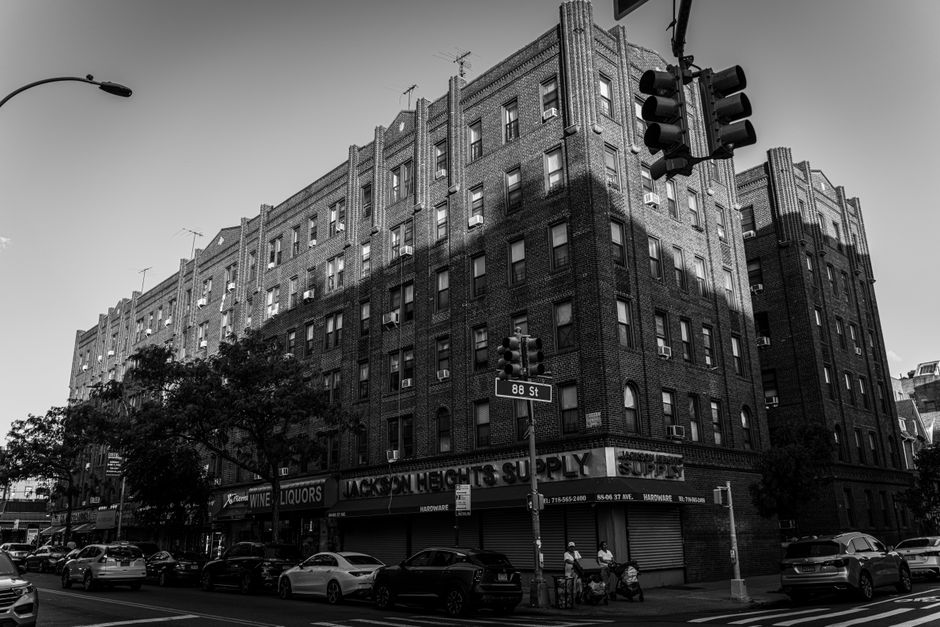
Queens is emerging as the growth story. Astoria and Long Island City now see vacancy below 2.5 per cent, with rents climbing to $3,200 to $3,600 for comparable units. For value-focused investors, these neighbourhoods are delivering 7.5 to 8.1 per cent gross yields on purchase prices of $420,000 to $550,000.
But context matters. These yields assume 95 per cent occupancy and exclude property taxes, which in Manhattan run $8,000 to $15,000 annually per unit on smaller buildings. Condo buildings around Park Avenue and the Upper East Side face particular headwinds due to NYC's controversial income-based rent-cap policies, limiting investor enthusiasm regardless of market tightness.
Institutional investors—including REITs and family offices—are actively acquiring stabilised assets across the boroughs, signalling confidence in sustained rental demand. Tourism recovery, remote-work flexibility, and continued migration into the five boroughs are supporting fundamentals.
For individual investors, the math has improved. But success now demands geographic precision: prime Manhattan neighbourhoods offer stability but modest yields; outer boroughs deliver better returns but require longer hold periods and stronger tenant screening discipline. The old mantra—location, location, location—has evolved into location, vacancy rate, and neighbourhood trajectory.
This article was compiled by AI from the sources linked above and screened before publishing. See our editorial standards.
How does this story make you feel?
Spread the word
About this article
Published by The Daily New York
Daily brief
Free, in your inbox before 7am. Weekdays.
More in Property