For investors eyeing New York's property market, the temptation is understandable: a $1.3 million Manhattan co-op or a $650,000 brownstone in Williamsburg looks like opportunity. But savvy landlords know that purchase price alone is meaningless. The yield—the annual rental income divided by purchase price—reveals whether you're actually making money or simply holding an expensive asset.
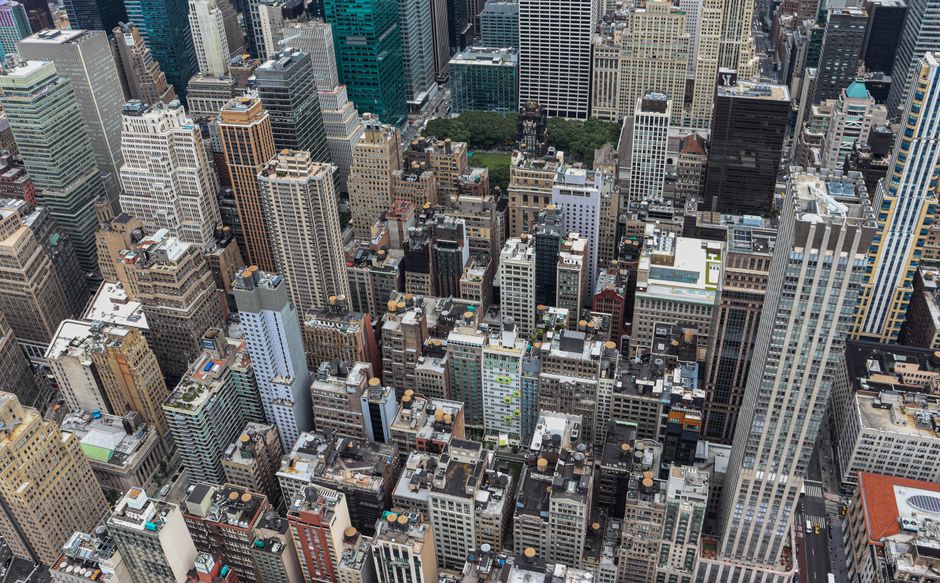
Current data tells a cautionary tale for Manhattan purists. Premium doorman buildings on the Upper West Side and Park Avenue are generating gross yields of just 2.5 to 3 percent annually, factoring in typical rents of $4,000 to $6,500 for two-bedroom units. After property taxes (running 0.8 to 1.2 percent of assessed value), maintenance fees (often $800 to $1,500 monthly), and vacancy allowances, net yields dip below 1 percent—barely ahead of a high-yield savings account, and with considerably more risk and illiquidity.
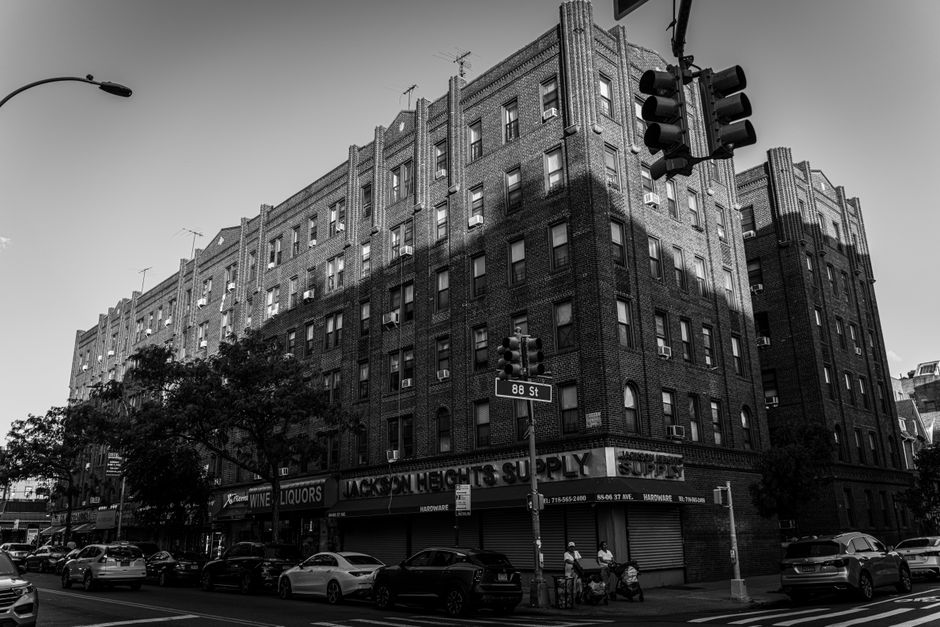
The story shifts dramatically in outer boroughs. A $580,000 two-family home in Astoria, Queens, commands $3,200 per unit monthly—a gross yield of 6.6 percent. After taxes, insurance, and maintenance reserves, net returns hover around 4 to 4.5 percent. Similar dynamics are reshaping Sunset Park and deeper into Brooklyn's interior neighborhoods, where $500,000 to $750,000 properties are yielding 5 to 6 percent net returns.
The expansion of accessory dwelling unit (ADU) zoning across the five boroughs adds another dimension. Investors converting basement or backyard space into legal rentals near Prospect Park or along the Broadway corridor in Astoria are discovering an extra $1,200 to $1,800 monthly in previously idle real estate—shifting entire investment theses upward.
The discrepancy raises hard questions for capital allocation. A $1.3 million Manhattan investment generating 1 percent net yield requires the owner to believe in 6 to 8 percent annual appreciation just to outpace inflation and opportunity cost. Queens-based investors betting on 4 percent net yield plus 3 to 4 percent appreciation are building more conservative, realistic wealth structures—the kind that actually sustains through market cycles.
The market hasn't rebalanced yet. Fear of missing out still drives Manhattan purchases. But serious investors are running the numbers, not chasing headlines. For them, the outer boroughs are no longer secondary markets—they're where the math actually works.
This article was compiled by AI from the sources linked above and screened before publishing. See our editorial standards.