Astoria Queens Real Estate: Investment Guide 2026
Astoria Queens home prices up 18% YoY yet 35% below NYC average. Discover why savvy investors are buying two-bedrooms under $700K in this Queens waterfront neighbourhood.
Astoria Queens home prices up 18% YoY yet 35% below NYC average. Discover why savvy investors are buying two-bedrooms under $700K in this Queens waterfront neighbourhood.
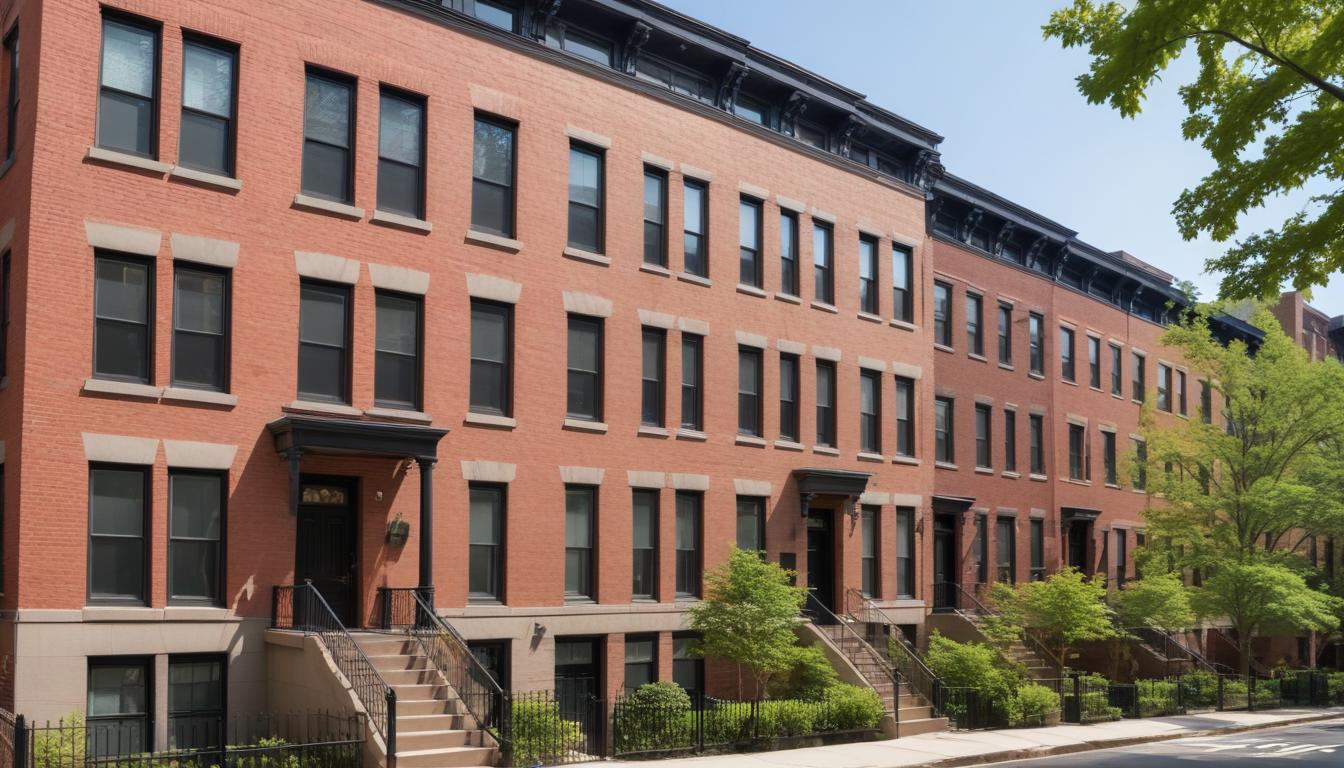
For years, Astoria occupied an uncomfortable middle ground in the New York property consciousness. Close enough to Manhattan to be accessible, yet far enough to feel overlooked. That narrative is shifting rapidly. Real estate data from the first half of 2026 reveals a neighbourhood experiencing unprecedented investor interest, driven by a potent combination of infrastructure upgrades, demographic shifts, and simple mathematics: you can still buy a two-bedroom home here for under $700,000.
The epicentre of activity clusters around the waterfront corridor between Astoria Park and Ditmars Boulevard. This spring alone, five multi-unit buildings changed hands along 30th Avenue, with asking prices ranging from $3.2 million to $4.8 million—numbers that would have seemed aspirational just eighteen months ago. The neighbourhood's median price of $695,000 represents an 18% year-over-year increase, outpacing Brooklyn's growth rate by nearly double.
What's driving the shift? Infrastructure, primarily. The Queens Plaza subway hub, once considered a transit afterthought, now functions as a genuine alternative to the Manhattan-centric M train. The recently completed waterfront park expansion—stretching from Vernon Boulevard to the East River—has transformed what was industrial wasteland into recreational destination. Meanwhile, the proliferation of restaurants along 31st Avenue (from casual neighbourhood spots like Taverna Kyclades to newer craft establishments) signals gentrification's typical harbinger: food culture follows capital.
The affordability arbitrage remains compelling. A comparable two-bedroom apartment in Williamsburg averages $1.1 million; in Park Slope, $1.2 million. Astoria's $695,000 median creates immediate equity potential for investor-owner occupants. First-time buyers are particularly active; according to local brokers, they comprise nearly 42% of current purchasers—substantially higher than Manhattan's 16%.
Not everyone celebrates this transition. Community advocates at the Astoria Houses Tenants Association warn that rapid appreciation threatens existing rent-stabilized units and multigenerational residents. The neighbourhood's demographic fabric—heavily Greek, Italian, and increasingly Latino—faces displacement pressures familiar elsewhere in New York.
Still, from a pure investment perspective, Astoria's trajectory appears structural rather than speculative. Young professionals seeking walkability without Manhattan rents, families wanting more space than Brooklyn permits, and institutional investors all recognize the same reality: Astoria's waterfront position, transit access, and cultural amenities justify current pricing—with runway remaining before it approaches borough parity.
The question isn't whether Astoria will continue appreciating. It's whether current investors will still consider it a bargain in 2028.
This article was compiled by AI from the sources linked above and screened before publishing. See our editorial standards.
How does this story make you feel?
Spread the word
About this article
Published by The Daily New York
Daily brief
Free, in your inbox before 7am. Weekdays.
More in Property