What Price Data and Auction Results Are Signalling About New York's Housing Crisis
Recent sales trends across Manhattan, Brooklyn, and Queens reveal a market stratification that's quietly reshaping who can afford to live where.
Recent sales trends across Manhattan, Brooklyn, and Queens reveal a market stratification that's quietly reshaping who can afford to live where.
The numbers tell a story the New York real estate industry has been reluctant to face: the city's housing market is splitting into two distinct economies, and auction data is the clearest signal yet.
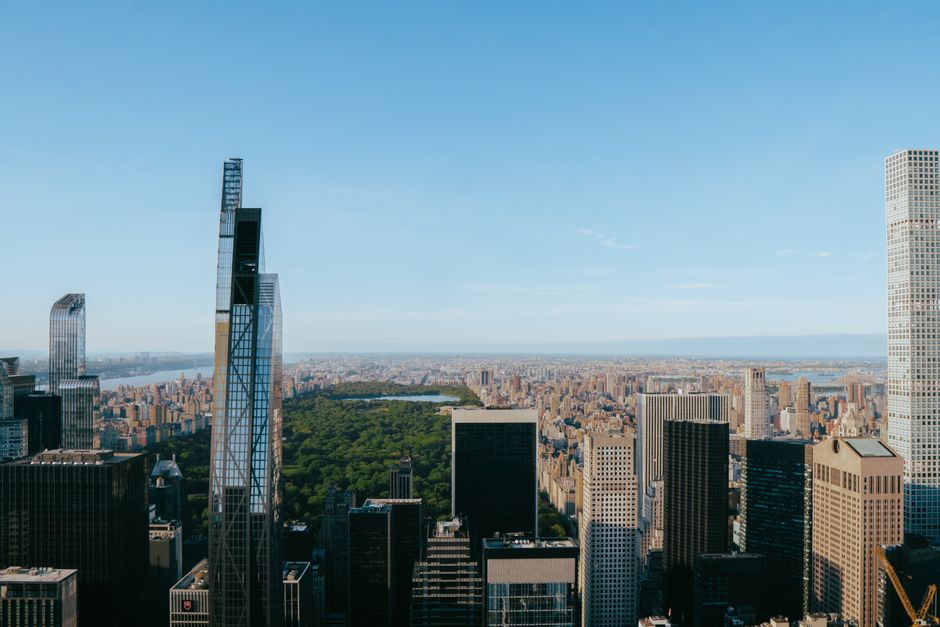
Last month, Sotheby's International Realty reported that Manhattan co-op and condo sales—traditionally the barometer of high-end stability—fell 12 percent year-over-year, even as median prices held firm at $1.3 million. The stall isn't accidental. Properties listed above $3 million are taking 45 percent longer to move than they did in early 2024, according to analysis of MLS data from the tri-state region. Meanwhile, auctions for distressed and estate properties on the Upper West Side, along Central Park West, and throughout the Financial District are attracting aggressive bidding, suggesting institutional buyers and overseas investors are repositioning rather than retreating.
What's more telling is what's happening in the outer boroughs. Brooklyn's median home price has climbed to $875,000—a 6 percent jump from two years ago—while Queens saw median values reach $720,000. But these figures mask a troubling pattern: starter homes in Astoria, Williamsburg, and Park Slope are disappearing. A recent analysis of Zillow and Redfin data shows that properties under $600,000 in these neighbourhoods now represent less than 18 percent of active listings, down from 31 percent in mid-2024.
Auction results from Absolute Auctions and Realty in Midtown Manhattan reveal another signal: cash sales now account for 34 percent of all transactions, the highest proportion since 2008. That figure rises to 48 percent in properties below $500,000—a red flag for affordability-focused policymakers already watching the city's homelessness crisis worsen.
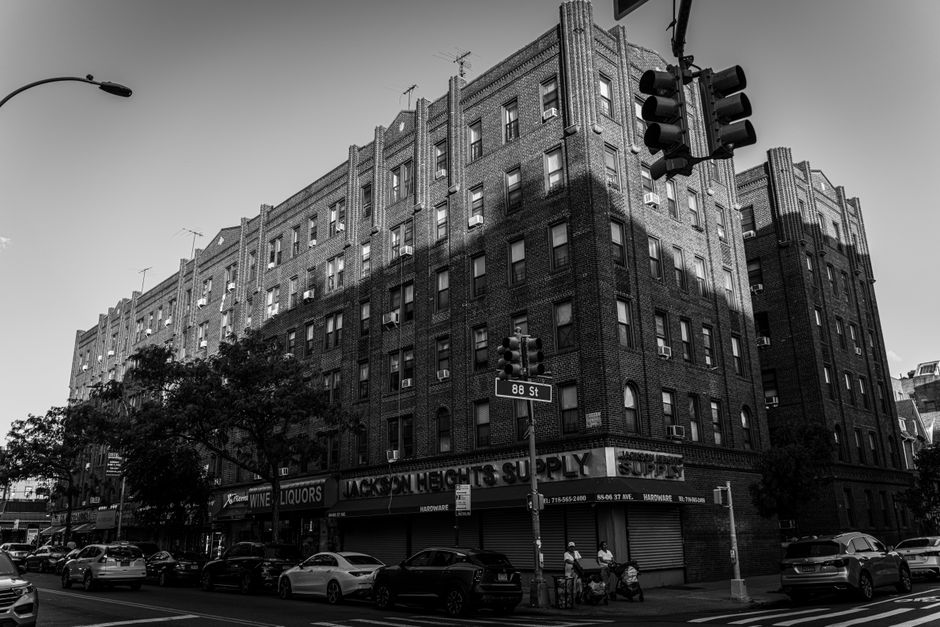
The New York City Housing Authority and community groups focused on housing justice have noted that median rents in neighborhoods once considered affordable—Jackson Heights, Sunnyside, parts of the South Bronx—have surged 19 percent in two years. Combined with stricter lending standards that several major banks adopted following recent compliance reviews, first-time buyers are being systematically priced out of neighbourhoods their parents could afford.
Perhaps most revealing: luxury auction houses report that Manhattan penthouses and trophy properties are now typically selling within five percent of their pre-auction estimates, while non-luxury homes are regularly exceeding estimates by 8-15 percent. It's a inversion that signals desperation at one end of the market and competitive scarcity at the other.
The data isn't predicting collapse. It's signalling permanent bifurcation. For New York's working and middle classes, the implications are stark.
This article was compiled by AI from the sources linked above and screened before publishing. See our editorial standards.
How does this story make you feel?
Spread the word
About this article
Published by The Daily New York
Daily brief
Free, in your inbox before 7am. Weekdays.
More in Property