The rental market across New York City has reached an inflection point. In Williamsburg, where median rents now exceed $3,200 for a one-bedroom—up 18% year-over-year—and in Long Island City, where new luxury buildings command similar premiums, both tenants and property owners are grappling with unprecedented pressure that's fundamentally altering how housing works in the city.
For renters, the mathematics has become brutal. The typical household in Park Slope or Astoria is now dedicating 40-45% of gross income to housing, well above the traditional 30% threshold financial advisors recommend. This squeeze has triggered a secondary effect: longer lease negotiations, increased demands for guarantors, and mounting competition among applicants. At the same time, landlords managing properties along Bedford Avenue or near Queensboro Plaza face their own pressures—rising property taxes, inflation-driven maintenance costs, and regulatory uncertainty around rent stabilisation are compressing profit margins that once seemed predictable.
Data from the Real Estate Board of New York reveals that Manhattan's median asking rent stands at $3,850, while outer-borough neighbourhoods that were once affordable stepping stones—Sunset Park, Rego Park, Ditmars—are experiencing double-digit annual increases. Vacancy rates have dropped to just 1.45%, the lowest in a decade, creating an owner's market that's simultaneously unsustainable for many residents.
The ripple effects are visible across community organisations. The Met Council on Housing reports a 22% uptick in tenant inquiries regarding lease disputes and illegal deregulation schemes. Meanwhile, the Real Estate Board notes that smaller 'mom-and-pop' landlords—those owning 1-5 properties—are increasingly selling portfolios to institutional investors, fundamentally changing the relationship between renter and owner.
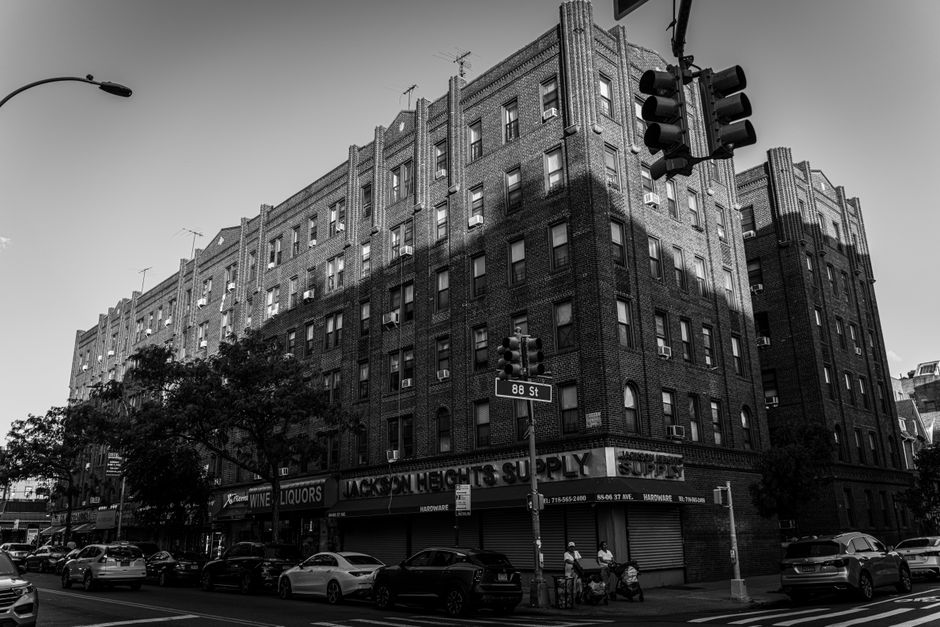
What's emerging is a bifurcated market. In rapidly gentrifying neighbourhoods like Greenpoint and Murray Hill, where institutional money is concentrated, rents are stabilising at premium levels but with more standardised terms. In transitional areas like East Flatbush and Jackson Heights, volatility remains high, with individual owners still setting aggressive rent increases as they capitalise on shifting demographics.
The tension between these forces—tenant desperation and landlord necessity—suggests the current equilibrium is unstable. City policymakers are watching closely. Without intervention, expect further tenant displacement in neighbourhoods south of Prospect Park and east of the East River, while landlords face mounting pressure to choose between sustainability and profitability.
This article was compiled by AI from the sources linked above and screened before publishing. See our editorial standards.