From Prospect Park to the Waterfront: How NYC's Amateur Sports Clubs Are Thriving and Building Community
As membership surges across recreational leagues, local organizations are discovering that the real victory isn't always on the scoreboard.
As membership surges across recreational leagues, local organizations are discovering that the real victory isn't always on the scoreboard.
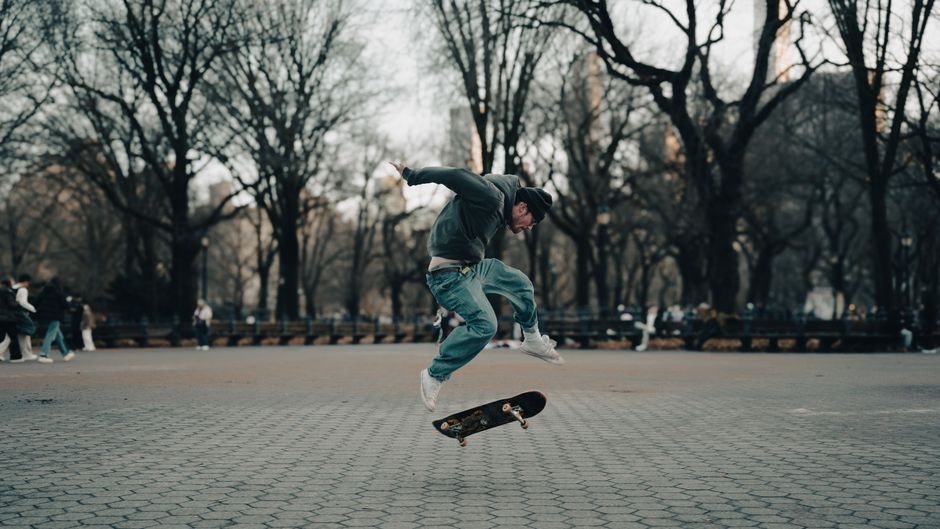
On a humid Saturday morning in Williamsburg, the banks of East River Park buzz with activity as members of the Brooklyn Rowing Club prepare their shells for the water. Across the city, similar scenes unfold: soccer teams gathering in Central Park's North Meadow, ultimate frisbee leagues organizing tournaments in Astoria Park, and cycling clubs assembling at the Prospect Park entrance on Flatbush Avenue. These aren't professional athletes. They're New Yorkers who've discovered something increasingly valuable in a fractured metropolis: belonging.
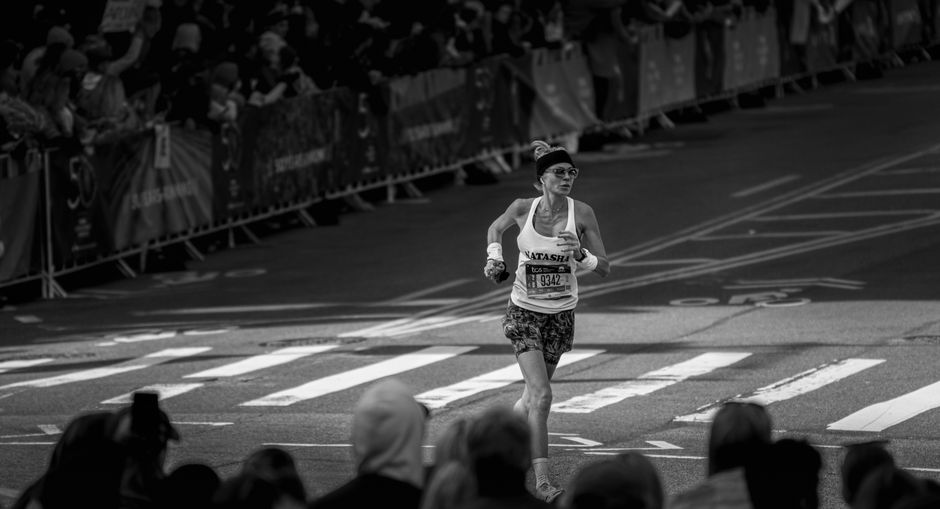
The surge in amateur sports participation reflects a broader trend reshaping how the city connects. According to data from the NYC Parks Department, recreational league memberships have grown approximately 34 percent since 2023, with adult participation in community-organized sports reaching roughly 185,000 registered participants. The numbers tell part of the story. The rest unfolds in conversations between teammates.
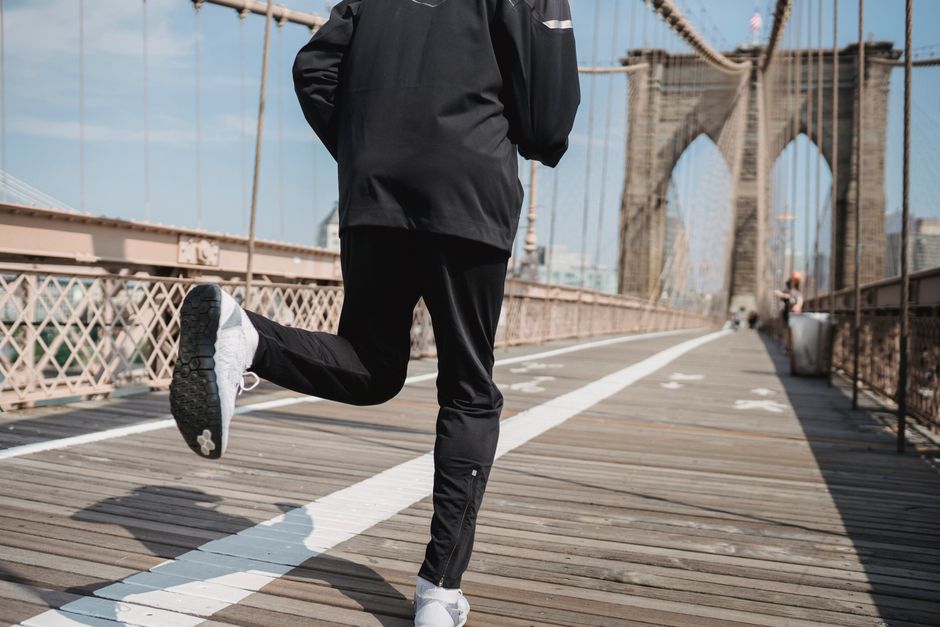
Take the Hell's Kitchen Running Club, which operates informally from Columbus Avenue three nights weekly. What began as eight runners in 2021 has expanded to over 300 active members representing two dozen neighborhoods and professional backgrounds. The club's operating budget remains modest—roughly $2,400 annually, funded through nominal membership contributions of $15 monthly. Yet participants describe something money can't quantify: a structure for friendship in a city that often feels isolating.
This democratization of sport isn't accidental. Organizations like the Gotham Girls Roller Derby collective, based in Long Island City, and the New York Urban League's basketball initiative have strategically positioned themselves as accessible entry points. Monthly registration fees rarely exceed $50, equipment lending programs reduce barriers, and scheduling accommodates irregular work hours that plague service industry workers and gig economy participants.
The social infrastructure matters particularly now. As headline after headline chronicles fragmentation—political polarization, economic strain, neighborhood displacement—these clubs operate as deliberate counterforces. The Prospect Park Pickleball Association, founded informally in 2024, has grown to 400-plus members who coordinate tournaments and clinics. Members report the sport itself becomes secondary to the community ritual it enables.
Borough presidents and community boards have taken notice, with increased Parks Department support for club registration and facility access. Investment remains limited compared to professional sports, but the philosophy is shifting: recognizing that a thriving city requires spaces where ordinary residents, across socioeconomic and demographic lines, can challenge themselves physically and connect meaningfully.
As summer beckons and leagues enter peak season, New York's amateur sports landscape suggests that the most powerful games being played aren't televised. They're happening in parks and parking lots throughout the five boroughs, where the score matters far less than showing up.
This article was compiled by AI from the sources linked above and screened before publishing. See our editorial standards.
How does this story make you feel?
Spread the word
About this article
Published by The Daily New York
Daily brief
Free, in your inbox before 7am. Weekdays.
More in Sport