From the Bronx to Brooklyn: The Public Facilities Making Youth Sports Accessible Across New York
A look at how the city's network of community centers, public courts, and municipal fields are opening doors for the next generation of athletes.
A look at how the city's network of community centers, public courts, and municipal fields are opening doors for the next generation of athletes.
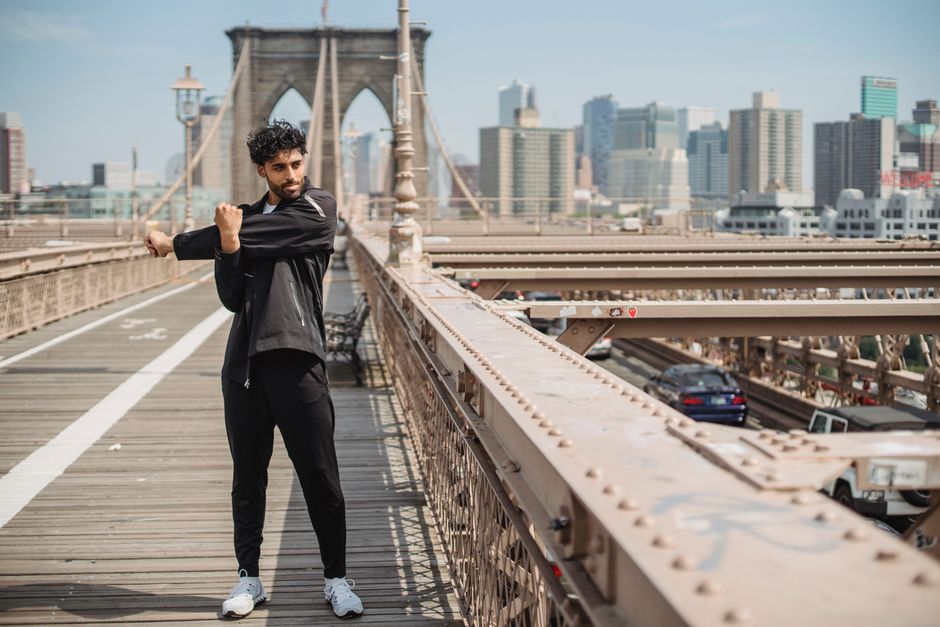
Getting a kid into organized sports in New York doesn't require deep pockets or connections—though knowing where to look helps. The city's sprawling infrastructure of public facilities, from the Asphalt Green on the Upper East Side to Prospect Park's basketball courts in Brooklyn, has quietly become the backbone of youth athletic development across all five boroughs.
The Parks and Recreation Department operates more than 2,000 public courts and fields citywide, with youth sports programs reaching over 300,000 participants annually. In the Bronx, Crotona Park's recently renovated baseball diamonds and basketball courts serve as a hub for neighborhood kids, while Flushing Meadows-Corona Park in Queens hosts everything from soccer leagues to Little League baseball, drawing families from across the metropolitan area.
Cost remains the primary barrier that these facilities help eliminate. A season of city-run youth soccer or basketball typically runs $150 to $300, compared to $800 to $1,500 for private club programs. Many community centers in lower-income areas—including those along the Lower East Side and in Washington Heights—offer scholarships covering full registration fees and equipment costs. The Department of Parks operates 65 recreation centers with dedicated youth programming, from court sports to aquatics.
Infrastructure quality has improved markedly in recent years. The $150 million renovation of Randall's Island athletic complex, completed in 2022, added 14 new multipurpose fields and upgraded existing courts. The facility now hosts everything from youth tournaments to professional preseason training. Meanwhile, the Harlem River Greenway expansion has created safer cycling routes encouraging youth participation in that sport, historically underrepresented in the outer boroughs.
Aquatic access presents a different picture. The city maintains 53 outdoor pools and 26 indoor facilities, though seasonal closures and maintenance issues periodically disrupt programming. Summer swim leagues and junior lifeguard programs, however, remain affordable entry points into competitive aquatics.
Registration happens primarily through the Parks Department website and individual recreation center offices, though word-of-mouth still dominates in many neighborhoods. Spring signups (February-March) tend to be most competitive; fall and winter slots often have more availability.
For families navigating these systems, local recreation directors serve as invaluable resources. They understand what's available within walking distance and can often waive fees or arrange transportation. In a city as vast and varied as New York, these publicly funded facilities and the committed staff behind them remain democracy's best answer to the question: how do we keep all kids playing?
This article was compiled by AI from the sources linked above and screened before publishing. See our editorial standards.
How does this story make you feel?
Spread the word
About this article
Published by The Daily New York
Daily brief
Free, in your inbox before 7am. Weekdays.
More in Sport