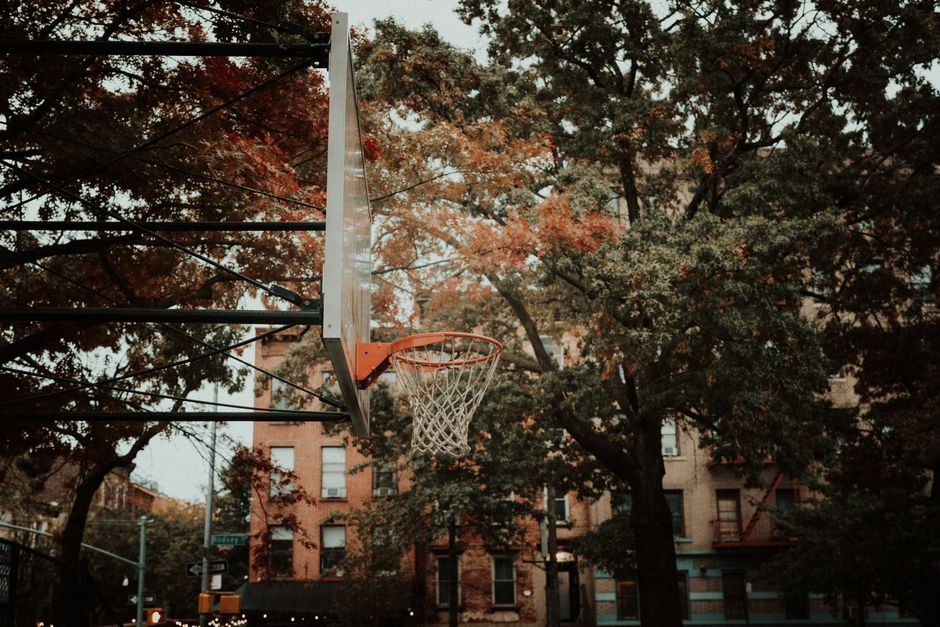
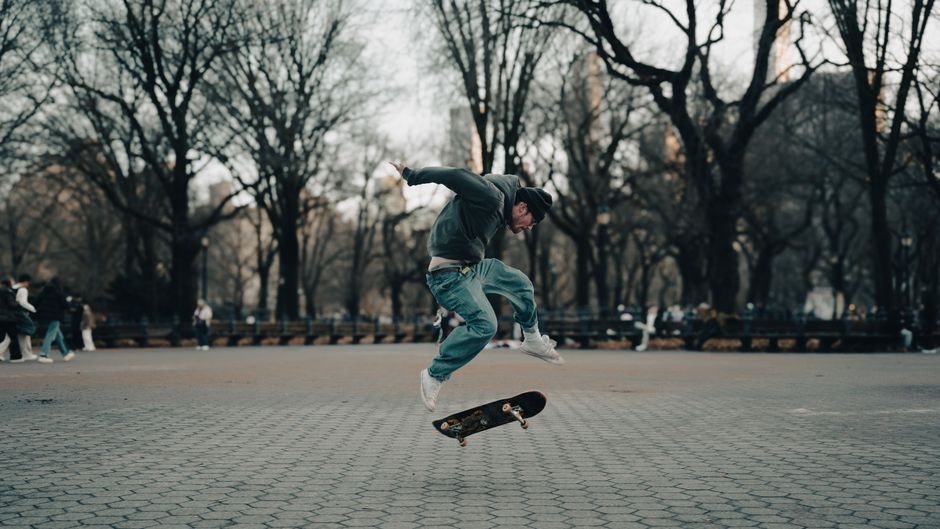
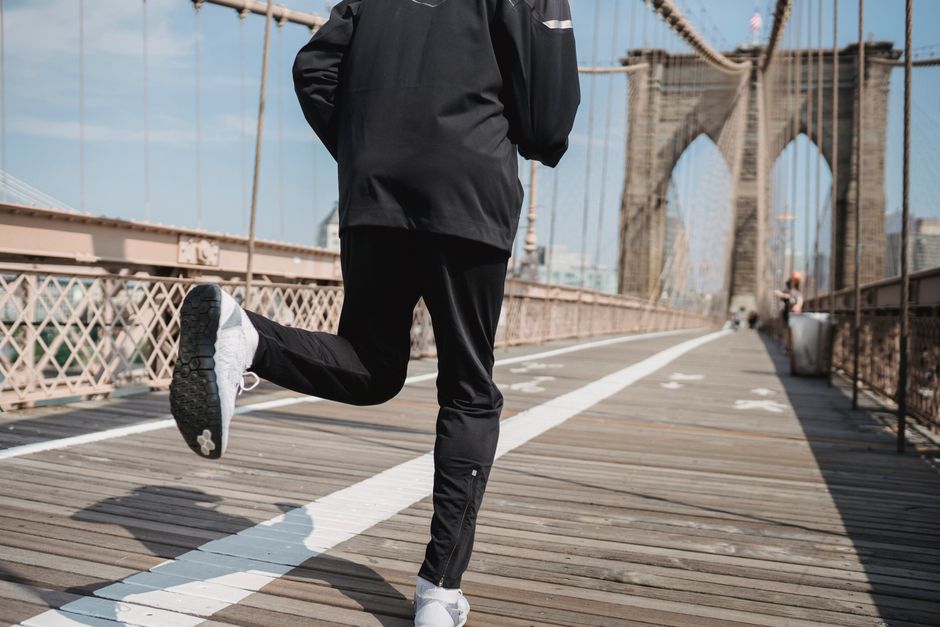
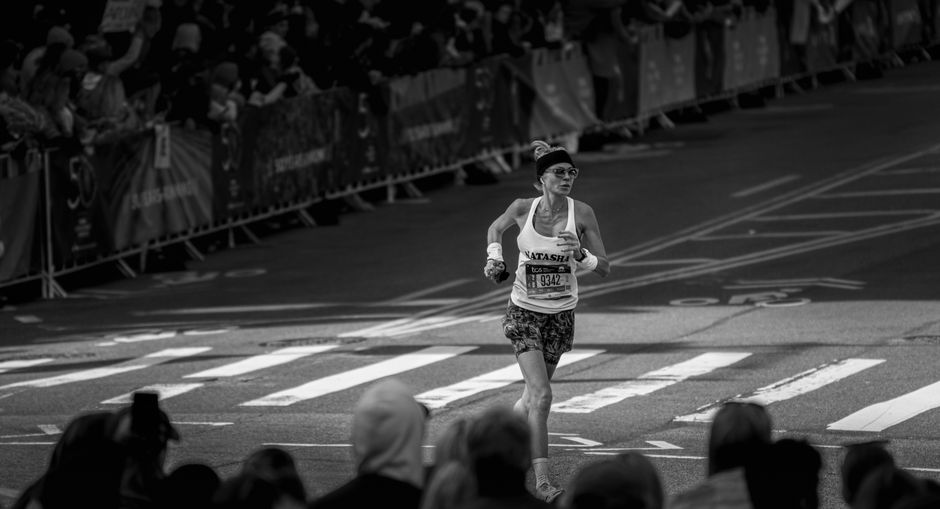
On a humid Tuesday evening in Astoria, Queens, thirty kids aged eight to fourteen line up on the concrete courts of Astoria Pool Complex, their sneakers worn but their focus sharp. This is where the real work happens—not in the gleaming facilities of Manhattan's private academies, but in the neighbourhood gyms, parks, and community centres where New York's grassroots sport movement quietly builds future athletes.
The numbers tell a compelling story. According to the Parks and Recreation Department, over 180,000 young New Yorkers participate in city-run youth programmes annually, with operating budgets stretched thin across five boroughs. Yet community organisations filling the gaps have become the backbone of youth development. Groups like Coney Island's PAL (Police Athletic League) programs and the Bronx-based Asphalt Green have collectively served more than 50,000 children this year alone, many from households earning under $35,000 annually.
"We're not trying to create pro athletes," explains operations at one Upper West Side community centre, speaking on condition of institutional anonymity. "We're trying to keep kids active, build confidence, and give them structure." Membership costs average $15 to $50 monthly—a fraction of private club fees that can exceed $300 per month.
The movement extends across unlikely spaces. The Sunset Park Basketball Association runs evening leagues in Brooklyn schoolyards, while Red Hook's Waterfront Barge Museum has partnered with local rowing clubs to offer rowing scholarships to neighbourhood kids. In East Harlem, the Harlem RBI programme combines baseball instruction with academic tutoring, serving predominantly Latino and Black youth populations historically underrepresented in organised sport.
Volunteers are the lifeblood sustaining this ecosystem. Parks Department data shows grassroots clubs rely on roughly 8,000 volunteer coaches citywide, many earning modest stipends or none at all. Their commitment keeps fees manageable while maintaining quality instruction.
The ripple effects extend beyond sport. Research from the Partnership for New York City found that youth programme participants show 23 percent higher school attendance rates and lower juvenile justice involvement compared to peers without structured activity access. For neighbourhoods like Washington Heights and Sunset Park—where park recreation budgets have contracted 12 percent since 2020—community clubs have become essential social infrastructure.
As summer approaches and day camps fill beyond capacity, the grassroots movement faces familiar pressures: funding gaps, facility access, and volunteer burnout. Yet in courts across the city's five boroughs, the work continues. These unglamorous neighbourhood spaces remain where thousands of New York children discover they're faster, stronger, and more resilient than they thought possible.
This article was compiled by AI from the sources linked above and screened before publishing. See our editorial standards.