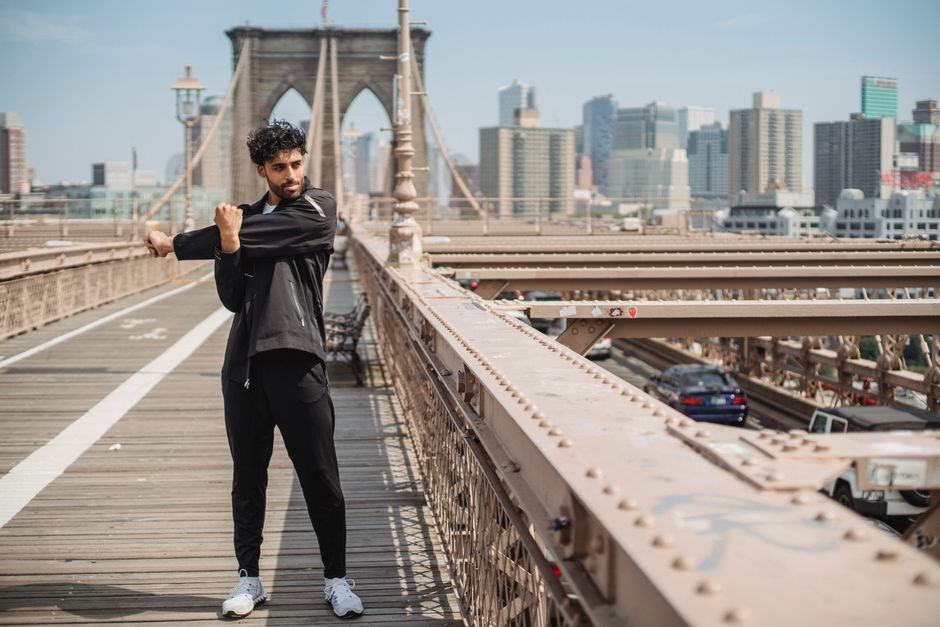
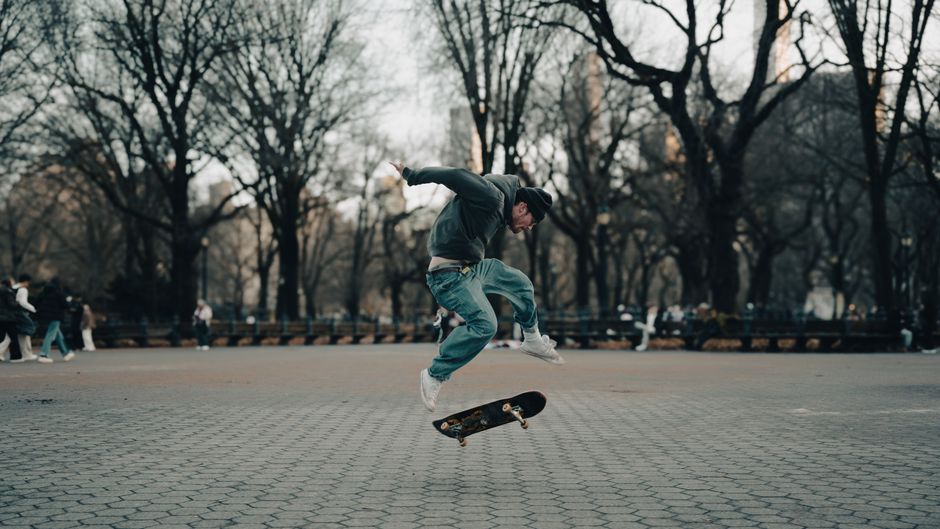
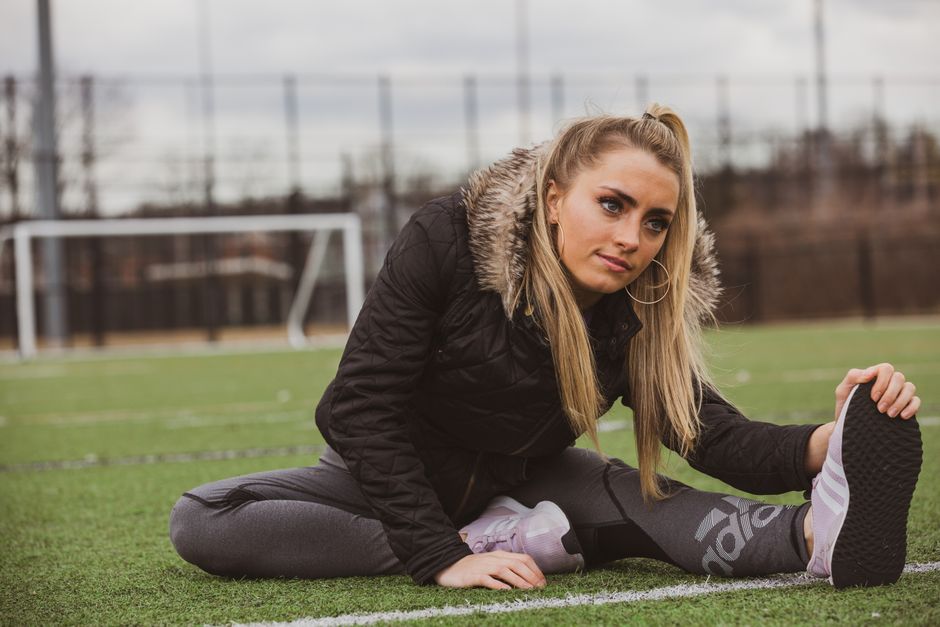
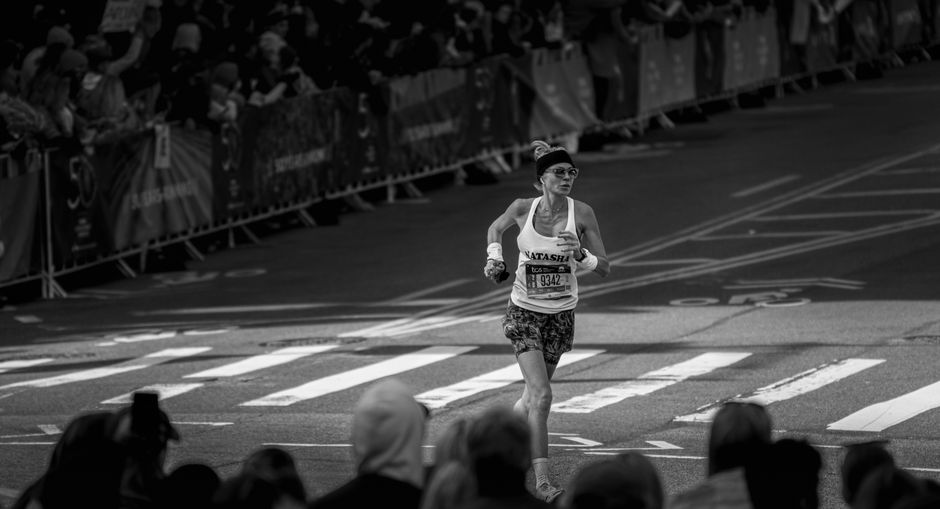
Walk past Prospect Park on a Saturday morning and you'll see it: kids in soccer kits, lacrosse sticks slung over shoulders, young runners stretching before weekend races. But the data painting the picture of New York's youth sports culture tells a more nuanced story than the visible energy suggests.
Recent enrollment figures from the Parks and Recreation Department reveal that traditional organized youth sports have held relatively steady citywide, with roughly 285,000 young people participating in public recreation programs as of early 2026—up modestly from 278,000 in 2023. Yet the breakdown matters more than the headline number. Baseball and softball enrollment has declined 12 percent across the five boroughs, while soccer participation has climbed 18 percent. Swimming programs, particularly in lower-income neighborhoods like East Harlem and Sunset Park, saw their waiting lists double during the pandemic recovery and have stayed elevated.
The geographic story is equally telling. Programs operated by the Asphalt Green on the Upper East Side maintain waitlists stretching months, with youth membership fees reaching $145 monthly. Meanwhile, community clubs operating on tighter margins in neighborhoods like Washington Heights and Astoria report enrollment volatility tied directly to cost. A basic youth basketball program at many Bronx facilities runs $85 per season, but equipment and transportation remain barriers even at that price.
Private grassroots clubs paint a different picture. Chelsea Piers' youth sports offerings have experienced steady demand, reflecting the economic reality that affluent families continue investing substantially in their children's athletic development. Tennis programs on the Upper West Side, historically niche, have seen interest spike 23 percent since 2024, suggesting shifting priorities among certain demographics.
What emerges is a city where opportunity remains stratified by neighborhood. The Parks Department's free programs along the Hudson Greenway and in Central Park draw thousands weekly, yet the quality and accessibility of coaching varies enormously. Some community organizations have filled gaps impressively—groups operating from modest facilities in Corona, Queens and Red Hook, Brooklyn provide world-class instruction on shoestring budgets. Others struggle to retain qualified coaches.
For sports leaders in this city, the data delivers an uncomfortable message: participation numbers mask deeper questions about equity and sustainability. Young New Yorkers are still playing—perhaps more soccer than ever. But where they live continues to determine which sports they can access, and at what cost. Until that reality shifts, the participation graphs will tell only half the story.
This article was compiled by AI from the sources linked above and screened before publishing. See our editorial standards.