Numbers Tell the Story: What New York's Gym Data Reveals About Fitness Culture in 2026
As membership trends shift across the five boroughs, participation metrics expose how New Yorkers are redefining their relationship with fitness.
As membership trends shift across the five boroughs, participation metrics expose how New Yorkers are redefining their relationship with fitness.
Walk past a CrossFit box in Williamsburg or a boutique cycling studio in the Upper West Side and you'll see New Yorkers sweating through their morning routines. But the real story of how we're exercising isn't found on the gym floor—it's buried in the numbers.
Recent participation data from the New York Sports Commission and major fitness operators reveals a fitness landscape undergoing genuine transformation. Overall gym membership across the five boroughs has plateaued at around 2.3 million active members—a significant figure but notably flat compared to the explosive growth of 2020-2023. What's changed is what those members are doing, and where they're doing it.
The data tells a tale of fragmentation. Traditional big-box gyms like those clustered along Park Avenue South and in the Financial District are seeing modest membership declines of 2-3% annually, while boutique fitness studios—SoulCycle alternatives, high-intensity interval training facilities, and niche strength programs—have captured roughly 18% of the market share, up from 12% just three years ago. In neighborhoods like Park Slope and the West Village, boutique studios now outnumber conventional gyms.
Pricing trends underscore this shift. A basic gym membership in Manhattan averages $65 monthly, unchanged since 2024. By contrast, single boutique classes run $28-35, yet participants willingly pay premium rates for specialized programming. The willingness to spend more on less suggests New Yorkers value curation and community over volume and access.
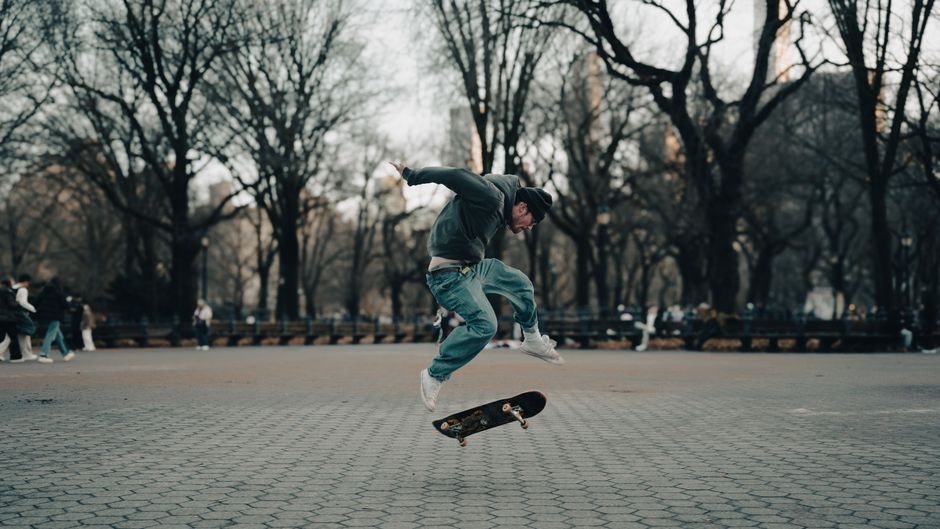
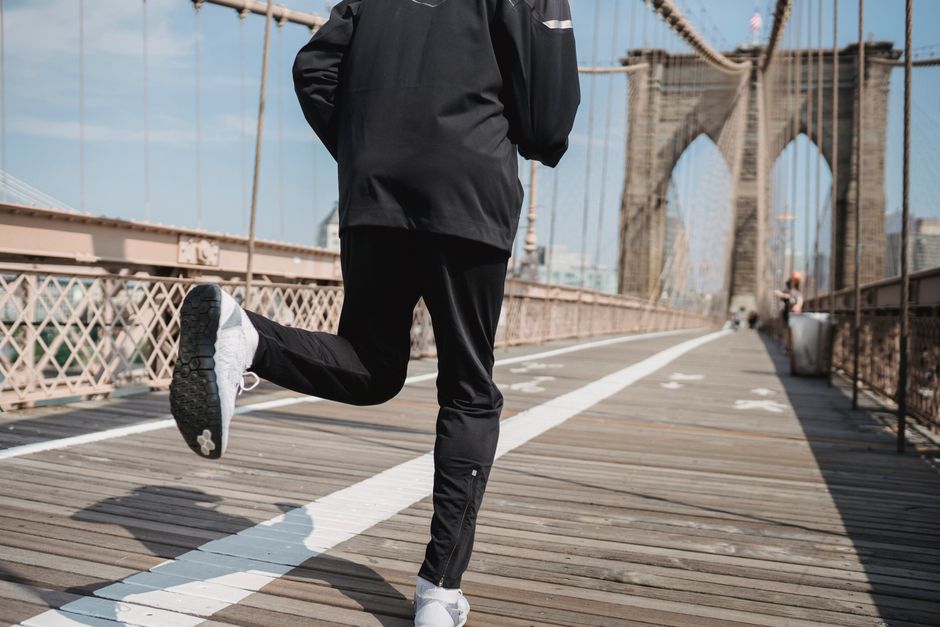
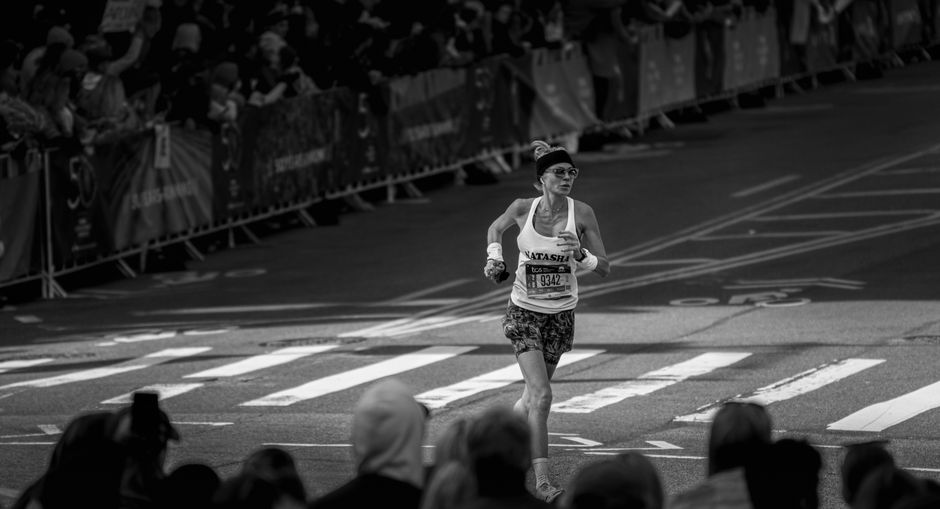
Perhaps most revealing: participation in outdoor fitness—tracked through Prospect Park, Central Park, and Brooklyn's waterfront fitness programs—has grown 22% year-over-year. Over 400,000 New Yorkers now engage in some form of organized outdoor training weekly, from running clubs that gather at Columbus Circle to bootcamp classes along the Hudson River Greenway. This represents a genuine shift in how the city exercises.
Age demographics tell another story. Participants aged 18-34 account for 58% of all boutique studio memberships but only 41% of traditional gym members. Meanwhile, fitness participation among those over 55 has grown in absolute terms, though they remain concentrated in mainstream facilities.
The data suggests New York's fitness culture has matured past the boom-and-bust cycle of the early 2020s. What we're witnessing now is specialization and intentionality. New Yorkers know what they want—whether that's the efficiency of a 45-minute boutique class, the accessibility of outdoor programming, or the comprehensive offerings of a traditional gym. They're choosing accordingly, and the market is responding. The question isn't whether New Yorkers are fit. The numbers show we're simply getting there differently than before.
This article was compiled by AI from the sources linked above and screened before publishing. See our editorial standards.
How does this story make you feel?
Spread the word
About this article
Published by The Daily New York
Daily brief
Free, in your inbox before 7am. Weekdays.
More in Sport