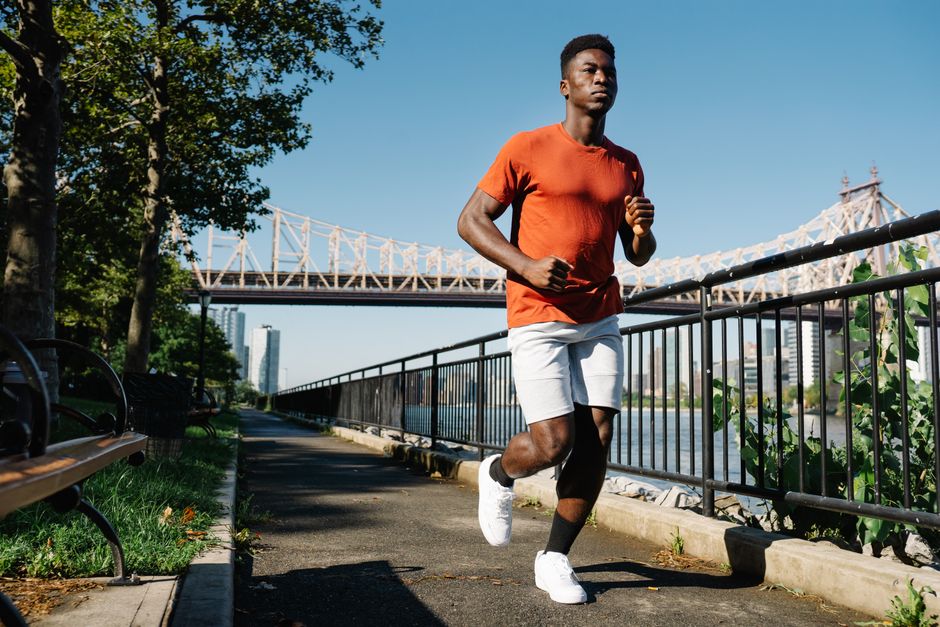
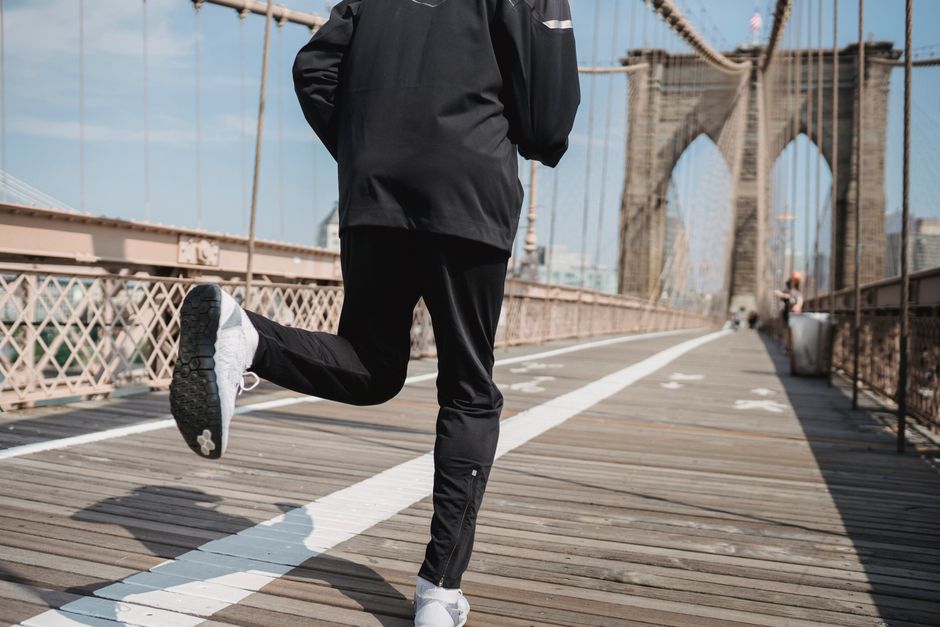
On any given morning along the Hudson River Greenway, you'll find hundreds of runners and cyclists moving in synchronized waves—a testament to New York City's quiet transformation into an endurance sports powerhouse. But the infrastructure supporting this athletic boom extends far beyond the obvious waterfront trails, representing a coordinated investment in facilities that has fundamentally reshaped how New Yorkers train for marathons, triathlons, and ultra-distance cycling events.
The Hudson River Greenway itself remains the crown jewel, stretching 32 miles from the Inwood neighborhood in Manhattan down through Battery Park. Recent renovations completed in 2024 added dedicated cycling lanes, improved lighting, and expanded rest areas—investments that have drawn an estimated 8,000 daily users during peak summer months. But the greenway is just one piece of a much larger puzzle.
In Brooklyn, the proliferation of specialized training centers tells a different story. Facilities like the newly expanded Prospect Park cycling velodrome and running track, along with multiple brick-and-mortar triathlon coaching centers in Park Slope and Williamsburg, now offer climate-controlled pools, bike repair workshops, and structured training programs that barely existed five years ago. Monthly memberships for comprehensive training facilities in these neighborhoods typically range from $180 to $350, making them accessible to serious amateurs.
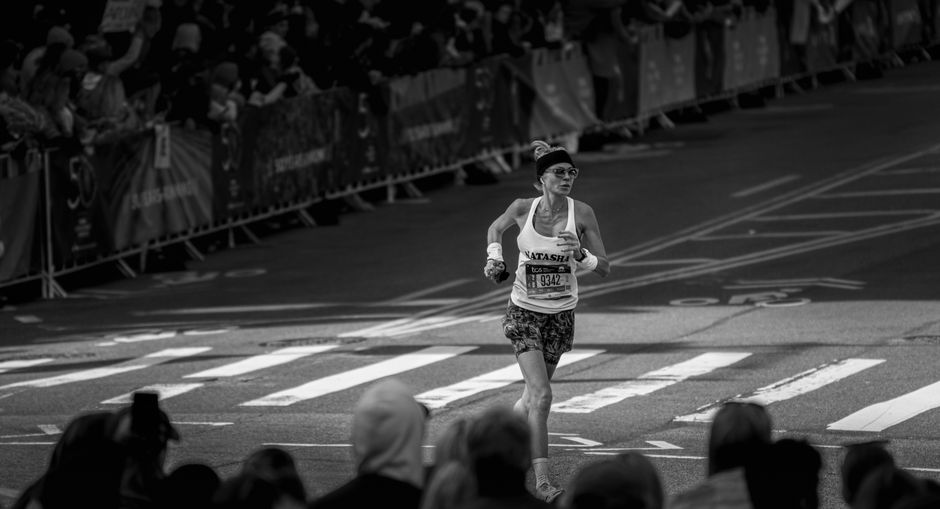
The city's commitment extends to race infrastructure. The NYC Parks Department has designated 15 official triathlon zones across the five boroughs, with carefully maintained transition areas and safety protocols. The Central Park loop—6.1 miles of traffic-free pavement—has become essential training ground for the estimated 50,000 New Yorkers who run the marathon annually.
Less visible but equally critical are the emerging running clubs and cycling collectives concentrated along the East River Waterfront, in Long Island City, and throughout the Bronx's expanding greenway system. These community-organized groups often leverage newly constructed running paths and improved lighting to organize group training sessions that attract diverse age groups and fitness levels.
The investment reflects broader demographic trends. Running participation in New York has grown 22 percent since 2019, according to local running shop surveys, while triathlon club memberships have nearly tripled. This surge has forced the city to modernize aging facilities and build new ones, creating a ripple effect that extends from neighborhood parks to professional-grade training centers.
For endurance athletes, New York has evolved from a city where you simply ran in circles to one where purpose-built infrastructure supports serious training at every level.
This article was compiled by AI from the sources linked above and screened before publishing. See our editorial standards.