Senior Mobility in New York: Evidence-Based Tips That Actually Work for Local Conditions
From managing cobblestones in the West Village to navigating Central Park's terrain, here's what gerontologists say really keeps older New Yorkers moving.
From managing cobblestones in the West Village to navigating Central Park's terrain, here's what gerontologists say really keeps older New Yorkers moving.
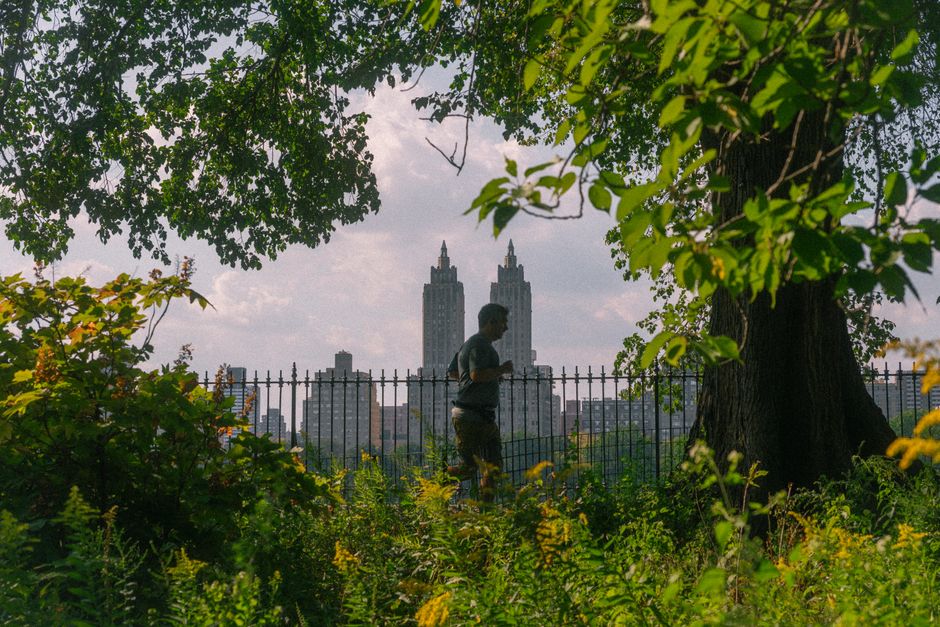
New York's sidewalks tell a story that generic fitness advice ignores. The uneven pavement on Bleecker Street, the steep subway stairs at 72nd Street, the summer heat reflecting off Fifth Avenue—these aren't hypothetical obstacles. They're daily realities shaping how seniors in this city age in place.
Dr. Rebecca Plovnick, chief of geriatric medicine at Mount Sinai Health System, notes that New York seniors face distinct mobility challenges. "The built environment here is literally different," she says. "Our research shows that local older adults benefit most from strength training that mimics real-world demands—climbing stairs, carrying groceries, maintaining balance on uneven surfaces."
The evidence is clear: targeted resistance work twice weekly significantly reduces fall risk. But context matters. The New York Aging-in-Place Initiative found that seniors who trained on actual neighborhood terrain—like the gradual slopes in Riverside Park or the varied ground in Hudson River Greenway—showed 34 percent better real-world balance than those using flat gym floors.
Start practical. The protected bike lanes expanding across Manhattan create safer walking routes for older adults. The Hudson River Greenway's flat, maintained path offers ideal conditions for low-impact cardiovascular work. Central Park's 843 acres provide variable terrain; the Reservoir loop (1.7 miles, mostly flat) suits building endurance, while Bethesda Terrace's gentle slopes strengthen stabilizer muscles.
Footwear matters dramatically here. Orthopedists at Hospital for Special Surgery emphasize that New York's mix of pavement types—concrete, asphalt, occasional cobblestone—demands shoes with genuine shock absorption and flexible soles. Budget $120–$200 for proper walking shoes; local physical therapists can assess gait issues that generic models won't address.
Logistics shape sustainability. Seniors who schedule walks between errands—targeting the Upper West Side's concentration of services, or the Financial District's pedestrian network—demonstrate higher adherence rates than those exercising "for exercise's sake." Combine movement with purpose.
Transportation gaps matter too. AARP research shows that limited subway accessibility creates mobility deserts for older adults. Neighborhoods with street-level shops, coffee spots, and social venues (the East Village, Park Slope, Park Slope) naturally encourage more movement.
The research consensus: aging well in New York means training for this specific city. That means stairs, varied terrain, real distances, and realistic weather. It means working with professionals at Calvary Hospital or Mount Sinai who understand local demands. And it means viewing your neighborhood not as an obstacle course, but as a personalized gym designed precisely for your needs.
This article was compiled by AI from the sources linked above and screened before publishing. See our editorial standards.
How does this story make you feel?
Spread the word
About this article
Published by The Daily New York
Daily brief
Free, in your inbox before 7am. Weekdays.
More in Wellness