Walk down Amsterdam Avenue on the Upper West Side any morning, and you'll spot yoga mats emerging from apartment buildings like a wellness migration. New York's meditation-and-yoga landscape has quietly become a bellwether for how Americans are reshaping their approach to wellbeing—one that prioritizes nervous-system regulation over Instagram-worthy flexibility, and anchors itself in neighborhoods rather than chain franchises.
The numbers tell part of the story. Yoga studios in Manhattan have grown roughly 23 percent since 2023, according to wellness real-estate trackers, while global yoga market growth sits at around 9 percent annually. What's driving this local surge isn't just curiosity; it's a pragmatic shift. New Yorkers—burnt out from high-pressure careers, rattled by years of uncertainty, and increasingly wary of over-medicalization—are gravitating toward practices that address both body and mind simultaneously.
Unlike the "optimization at all costs" ethos that dominates global fitness trends, local studios from Brooklyn to the Financial District are emphasizing accessibility and integration. Yoga classes in Washington Square Park, offered free through NYC Parks' expanded wellness programs, now draw hundreds weekly. Meanwhile, meditation-focused studios like those clustered around the Flatiron District charge $18-$25 per drop-in class—substantially lower than boutique fitness benchmarks—making the practice feel less like luxury wellness and more like preventive health.
The holistic angle is key. Rather than isolating yoga as exercise, New York practitioners are weaving it into broader wellness ecosystems: combining seated meditation with somatic breathwork, pairing studio practice with therapy, or integrating it into recovery routines alongside physical therapy. This mirrors emerging global research, but locals are implementing it faster. Studios in Park Slope and the East Village now regularly feature teachers trained in trauma-informed yoga, reflecting a maturation beyond asana-focused instruction.
One telling shift: corporate wellness programs across Manhattan are pivoting away from high-intensity options toward meditation and yin yoga. This mirrors a global trend, but New York's version is more grounded—companies view these practices as genuine stress-reduction tools rather than employee perks designed for Instagram optics.
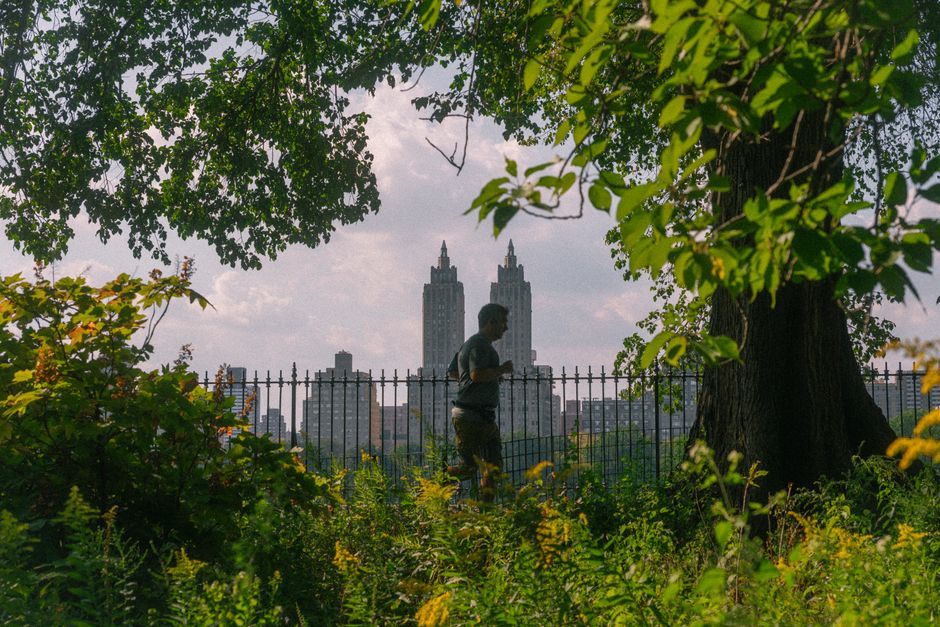
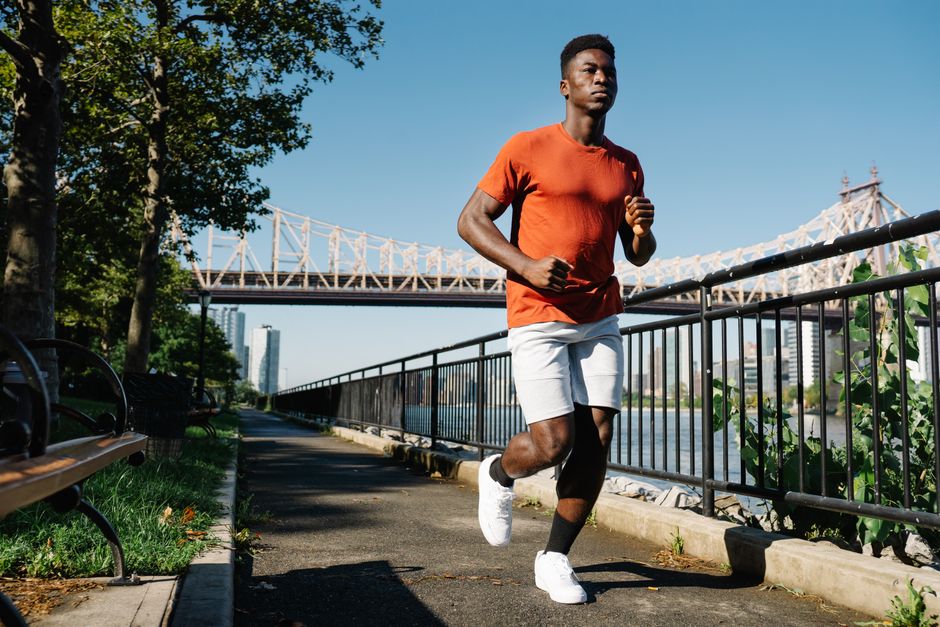
The city's geography helps. Proximity to Hudson River Park's running culture, Central Park's open spaces, and the expanding bike-lane network means practitioners aren't isolated in studios. Yoga here exists alongside outdoor movement, creating an ecosystem rather than a trend.
As global wellness culture chases the next big thing, New York's yoga-meditation scene is proving something quieter: that slowness, consistency, and community-rooted practice may be the actual competitive advantage. For wellness-curious New Yorkers, that's a radical idea—and it's spreading.
This article was compiled by AI from the sources linked above and screened before publishing. See our editorial standards.