From Asphalt to Trails: How Outdoor Running Is Reshaping New York's Fitness Culture
Once dominated by road pounders and gym devotees, the city's wellness scene is pivoting toward natural terrain workouts—and New York's parks are leading the charge.
Once dominated by road pounders and gym devotees, the city's wellness scene is pivoting toward natural terrain workouts—and New York's parks are leading the charge.
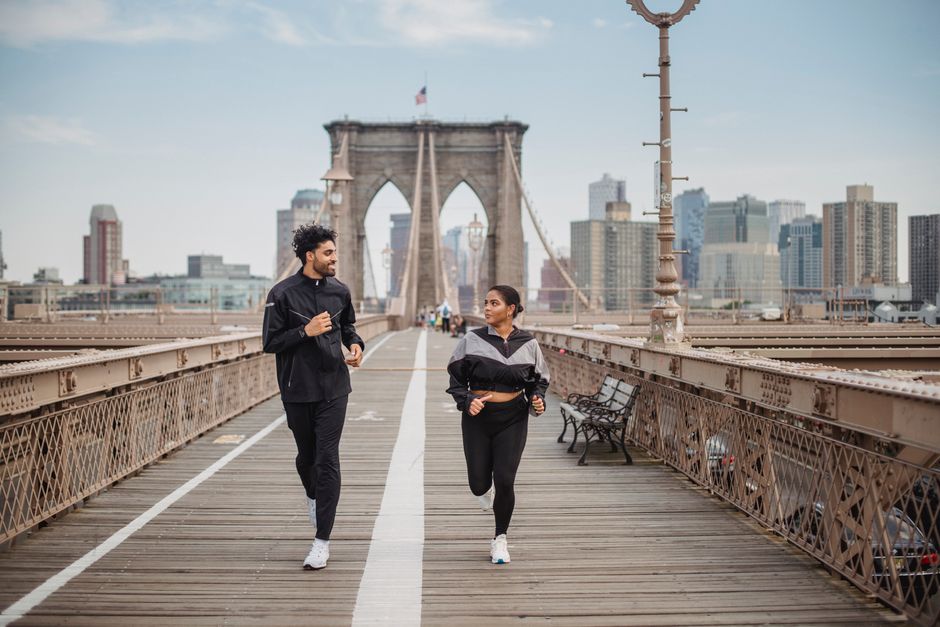
For years, New York's running identity was carved into concrete: the 6 a.m. Central Park Loop crowds, the Hudson River Greenway marathoners, the SoulCycle loyalists. But something has shifted. A growing contingent of runners—from novices to serious athletes—are trading smooth pavement for dirt trails, technical terrain, and the unpredictable beauty of the city's natural spaces.
The trend is impossible to ignore. Local running clubs like NYRR and smaller boutique groups are now scheduling weekly trail sessions. Specialty retailers along the Upper West Side and in Brooklyn have expanded their trail-specific shoe inventory. Even boutique fitness studios, which once dominated Manhattan's wellness real estate, are now offering trail-running coaching and organizing group outings to destinations beyond the five boroughs.
New York's geography is proving surprisingly suited to this pivot. While Central Park remains the epicenter—its bridle paths and forested sections offer genuine technical running—parks across the city are being rediscovered. The Ramble's winding trails draw intermediate runners. Prospect Park in Brooklyn has become a destination for weekend trail workouts, with its network of dirt paths attracting a devoted community. Inwood Hill Park at the city's northern tip offers steeper elevation changes that appeal to those training for trail races.
The Hudson River Park system, traditionally known for its paved waterfront trail, has quietly developed secondary dirt routes in its northern sections—areas that had been overlooked by the road-running crowd. Weekend trail runs along the Palisades Interstate Park trails just over the New York border have become increasingly popular, with shuttle services and organized group runs filling transit gaps.
Why the shift? Fitness experts point to several factors: burnout from high-impact road running, a growing interest in strength-building workouts that uneven terrain naturally provides, and broader wellness trends emphasizing nature exposure. Trail running demands more stabilizer muscles, improves proprioception, and—according to recent wellness research—offers mental health benefits that paved routes simply don't match.
Local running stores report a 30-40% uptick in trail-running shoe sales over the past two years. Classes at boutique fitness studios featuring trail-running technique have expanded from monthly offerings to weekly sessions. Running clubs that started with 20 members have doubled their rosters.
For New Yorkers seeking to join this trend, options abound. Central Park remains the most accessible entry point. But venturing to Prospect Park, Inwood, or Hudson River Park's northern trails rewards explorers with less crowded terrain and genuine connection to the city's remaining natural landscape—a discovery that's quietly redefining what fitness looks like in New York.
This article was compiled by AI from the sources linked above and screened before publishing. See our editorial standards.
How does this story make you feel?
Spread the word
About this article
Published by The Daily New York
Daily brief
Free, in your inbox before 7am. Weekdays.
More in Wellness