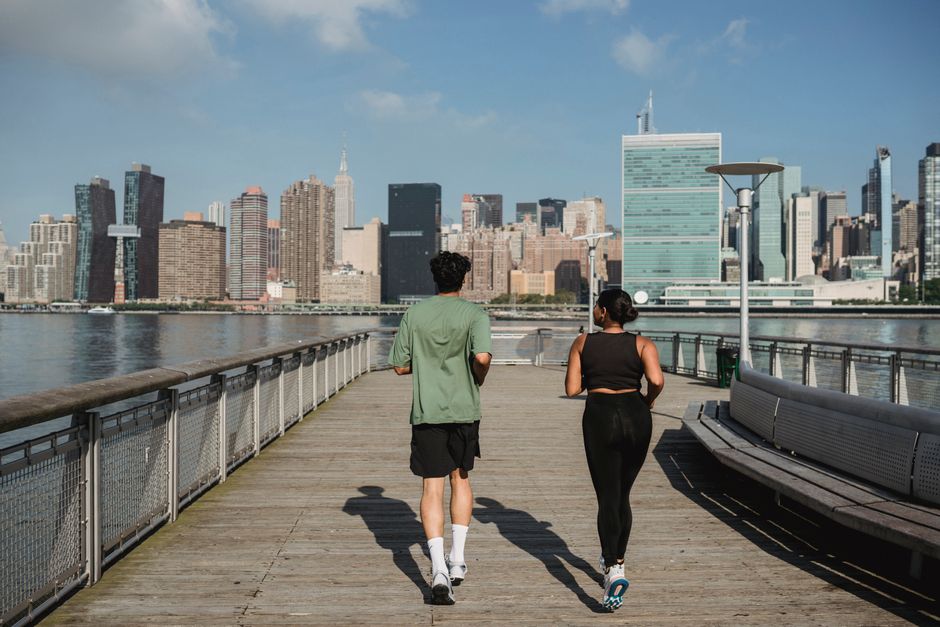
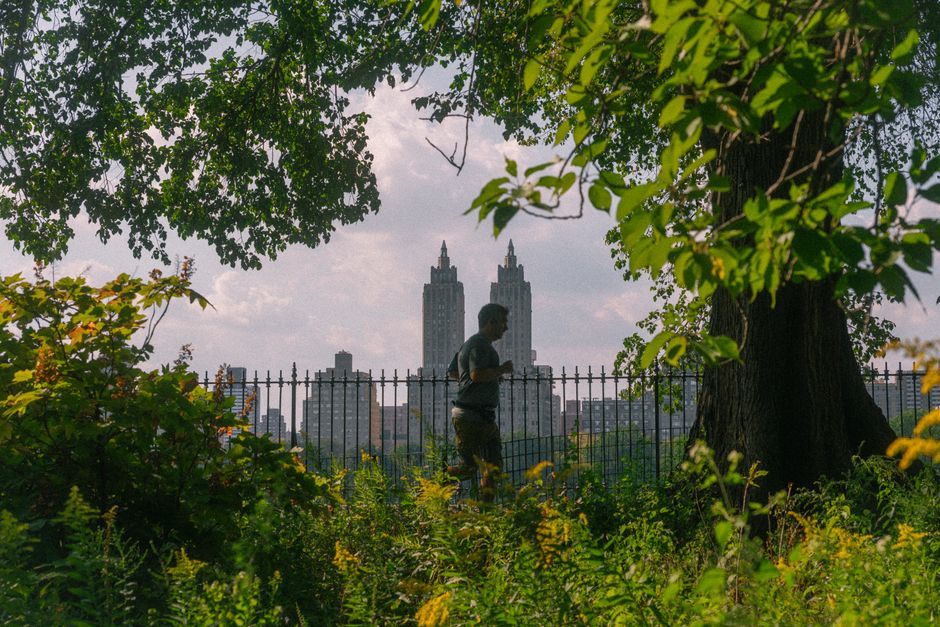
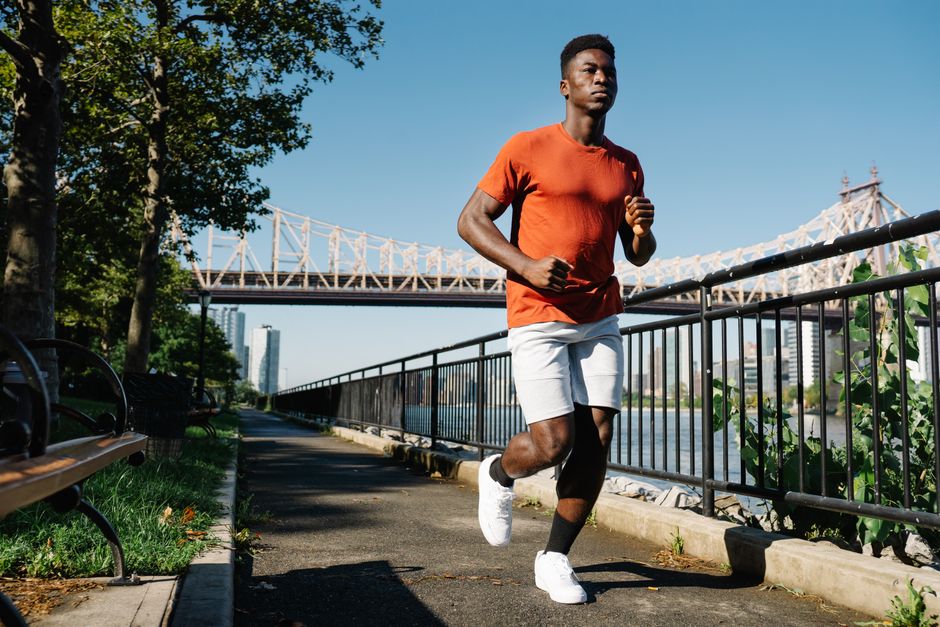
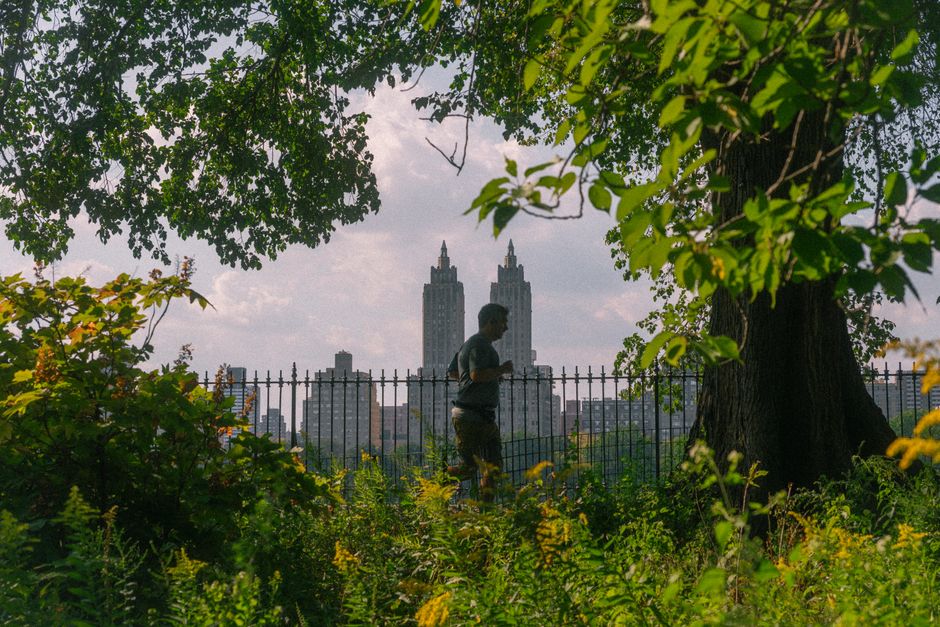
For years, New York runners treated Central Park and the Hudson River Greenway as pleasant alternatives to gym treadmills. But emerging neuroscience and exercise physiology research suggests that's backward thinking. Studies consistently show that outdoor trail running triggers distinct physiological responses—lower cortisol levels, improved mood regulation, and enhanced proprioceptive awareness—compared to controlled indoor environments.
The mechanism is rooted in what researchers call "attention restoration theory." When runners navigate variable terrain, their brains engage the prefrontal cortex differently than repetitive treadmill motion does. A 2024 study from Stanford's Center for Longevity found that outdoor runners showed 23 percent greater activation in regions associated with decision-making and stress recovery. For New Yorkers, this translates to measurable mental health benefits—particularly relevant in a city where anxiety disorders affect roughly one in five adults, according to recent public health data.
The physical benefits are equally compelling. Uneven surfaces force stabilizer muscles—particularly in ankles, hips, and core—to work harder than flat pavement. Research published in the Journal of Sports Sciences indicates that trail running increases ankle proprioception by up to 18 percent over eight weeks, reducing injury risk long-term. That's crucial for a city where outdoor running injuries spike during spring months when New Yorkers flood parks after winter hibernation.
New York's trail infrastructure now supports this science-driven shift. The Hudson River Greenway—stretching from Battery Park to the George Washington Bridge—offers 32 miles of protected pathways, while Central Park's 843 acres include variable terrain loops that challenge stabilizer muscles far more effectively than the Jacqueline Kennedy Onassis Reservoir's flat loop. The newly expanded Prospect Park network in Brooklyn and the Queensboro Bridge path extension into Long Island City have democratized access to restorative running environments across all five boroughs.
Cost remains accessible: the Reservoir and most Hudson Greenway access are free. Boutique trail-running coaching, popular among Manhattan runners training for trail races like the North Face Underground 8k, typically runs $75 to $150 per session through local organizations.
The convergence of evidence and infrastructure suggests the city's running culture is undergoing a genuine shift—not toward fancier gear or competitive speed, but toward leveraging what our natural spaces actually do to our brains and bodies. That's science you can feel in every step along the West Village's Chelsea Piers path or under the canopy of Riverside Park's upper stretches. For New York runners, the outdoor renaissance isn't trend-chasing. It's evidence-based wellness.
This article was compiled by AI from the sources linked above and screened before publishing. See our editorial standards.