Walk through Union Square on a Saturday morning and you'll see it immediately: the wellness shift that's remaking how New Yorkers eat. The farmers' market there, operating year-round since 1976, now draws crowds that rival any fitness class in the city. But today's shoppers aren't just browsing—they're armed with meal plans, nutrient-tracking apps, and a conviction that knowing their farmer matters as much as their step count.
"We've seen a 40 percent increase in CSA memberships across the tri-state area since 2023," says a spokesperson for the Northeast Organic Farming Association, which tracks participation in community-supported agriculture programs. These weekly boxes of seasonal produce—once niche wellness territory—have become mainstream in neighborhoods from Brooklyn Heights to the Upper West Side, with prices ranging from $28 to $45 for standard shares.
The trend reflects a larger recalibration in how New Yorkers approach nutrition. Boutique grocers like those clustering around the High Line in Chelsea and along Columbus Avenue on the Upper West Side are stocking hyperlocal products: sourdough from Balthazar in SoHo, grass-fed beef from Hudson Valley ranches, cold-pressed oils from Westchester producers. These aren't just premium offerings—they've become shorthand for nutritional intentionality in a city where time scarcity usually trumps food sourcing.
What's driving this? Partly pragmatism. A 2024 survey by the NYC Department of Health found that residents who purchase from local sources report higher satisfaction with their overall nutrition habits. Partly aspiration: Instagram has made farm-to-table visible in a way that feels achievable, even in Manhattan. And partly burnout from the old model—the assumption that a supermarket aisle, however well-stocked, could adequately support your health goals.
The infrastructure is catching up. Neighborhoods like Astoria, Queens, and Sunset Park, Brooklyn—historically underserved by premium food retail—now host weekend markets and small-format grocers specializing in local produce. Even delivery platforms have adapted; services like Imperfect Foods and Local Bounti now operate in all five boroughs, delivering slightly cosmetically imperfect but nutritionally identical produce to doorsteps within 48 hours.
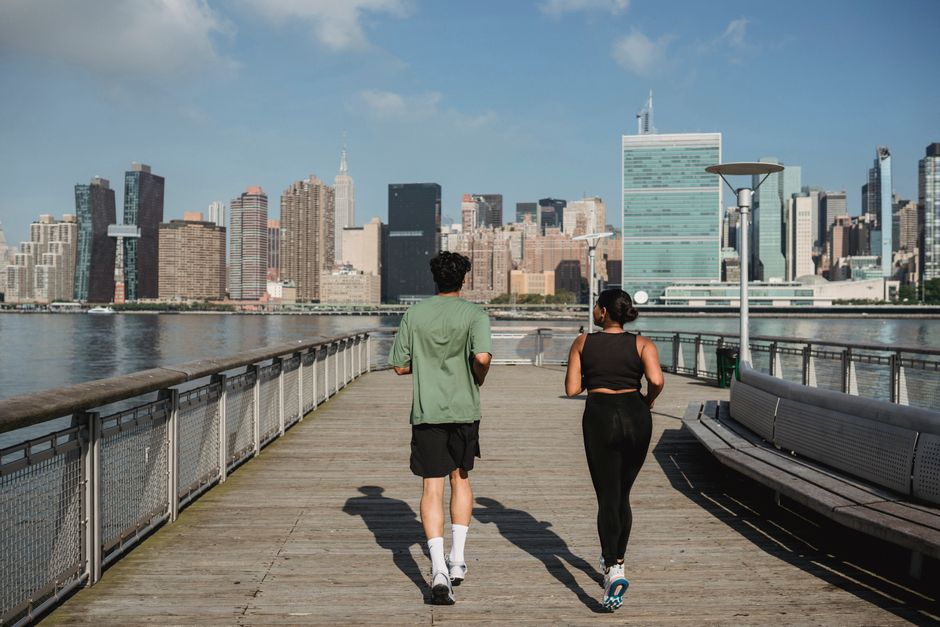
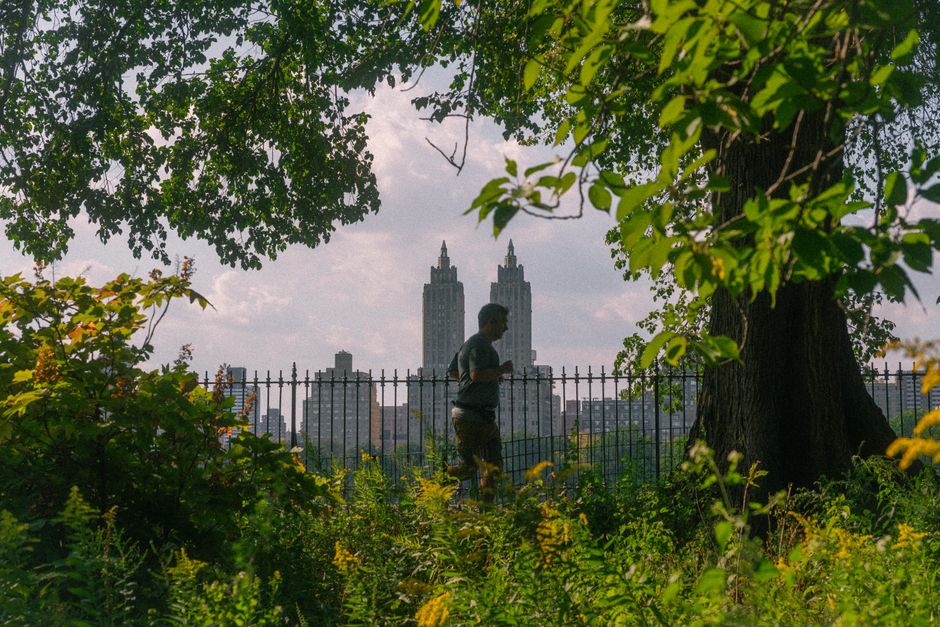
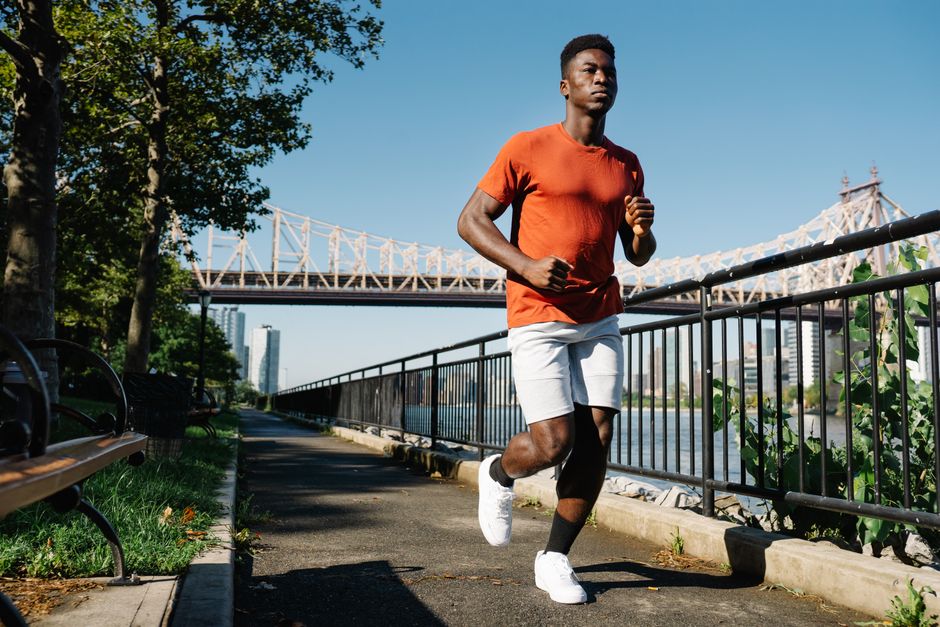
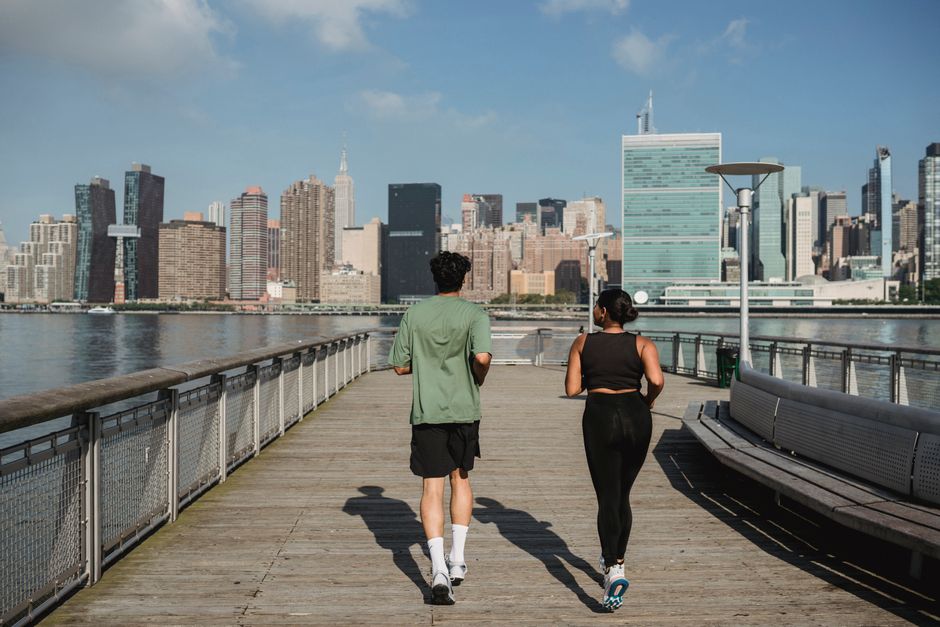
For New Yorkers juggling careers, fitness regimens, and the relentless pace of city life, this shift offers something unexpected: permission to slow down. Knowing that your dinner came from a farm you can visit—that you're eating seasonally, locally, with intention—has become as much a part of the wellness equation as the morning run along the Hudson River Greenway ever was.
This article was compiled by AI from the sources linked above and screened before publishing. See our editorial standards.