Walk through Washington Square Park on any given morning and you'll spot clusters of New Yorkers unrolling mats beneath the arch, their downward dogs silhouetted against the Manhattan skyline. A decade ago, such scenes were confined to Greenwich Village's established yoga enclaves. Today, they're emblematic of a seismic shift in how this city approaches wellness.
The numbers tell the story. Manhattan now hosts over 300 dedicated yoga studios, a figure that has nearly tripled since 2015, according to local fitness directory data. From Tribeca's luxury boutiques charging upward of $30 per class to community-based offerings in East Harlem and Sunset Park running $8–12, yoga has shed its image as an exclusive wellness commodity and become woven into the fabric of New York life.
What's driving this democratization? Partly, it's the city's relentless pace. As mental health awareness has surged—particularly post-pandemic—New Yorkers have increasingly turned to meditation and breathwork as counterweights to chronic stress. The subway platform meditation craze of 2024, where commuters began using apps like Calm and Insight Timer during rush hours, seemed improbable until it became impossible to ignore. Today, meditation apps report engagement rates among New York users that exceed national averages by nearly 40 percent.
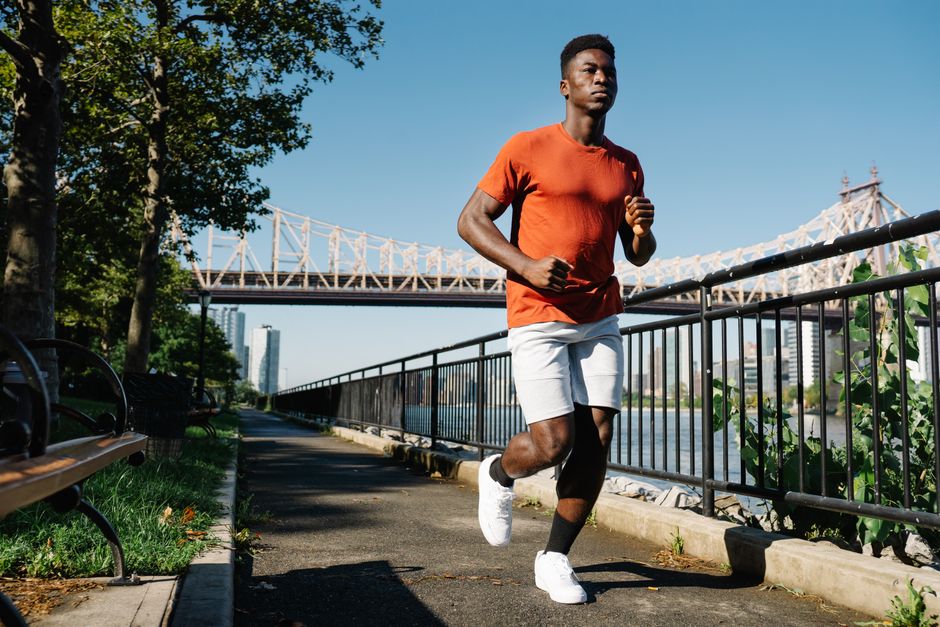
Community spaces are capitalizing on this hunger. The Hudson River Greenway, long a haven for runners, now hosts free weekly guided meditation sessions near Pier 57, drawing professionals in business casual who log off their laptops to log into their breath. In Brooklyn, neighborhoods like Williamsburg and Park Slope have seen neighborhood yoga collectives replace some of the boutique studio saturation, offering donation-based classes that prioritize accessibility over Instagram-worthy aesthetics.
Even the city's world-class hospital systems have taken note. Major medical institutions now routinely prescribe yoga and meditation as complementary therapies for anxiety, chronic pain, and post-surgical recovery—a shift that lends clinical credibility to practices once dismissed as purely lifestyle indulgences.
Yet challenges remain. As studios proliferate in affluent neighborhoods like the Upper West Side and Brooklyn Heights, gentrification threatens the very communities that could benefit most from these practices. Advocates argue that true wellness equity requires sustained investment in free or low-cost offerings in less affluent neighborhoods—a conversation New York's wellness industry is only beginning to have seriously.
For now, yoga and meditation have transcended trend status in New York. They've become, quite simply, how many New Yorkers breathe.
This article was compiled by AI from the sources linked above and screened before publishing. See our editorial standards.