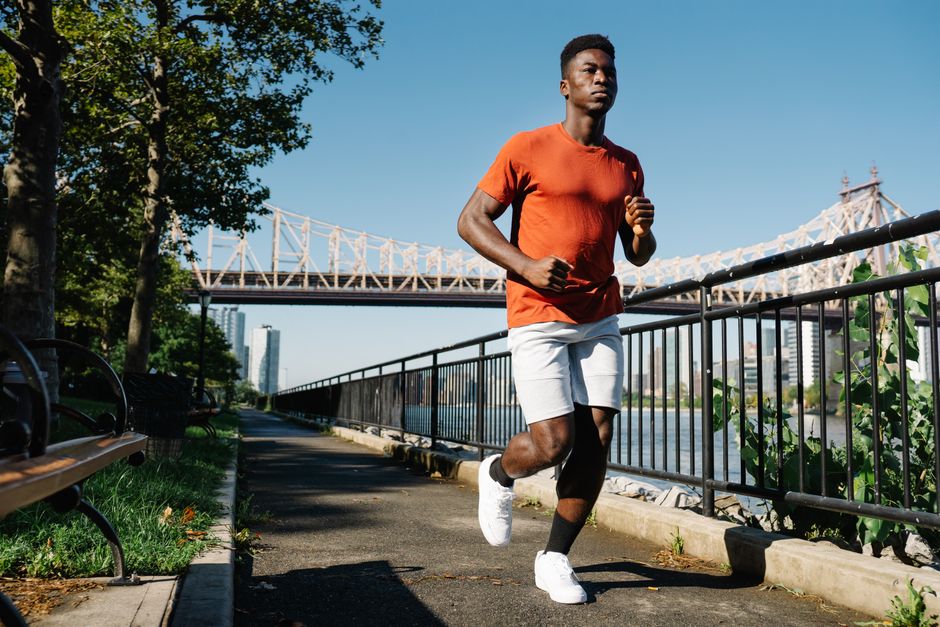
Last Saturday morning, nearly 400 runners gathered at the entrance to Central Park's Sheep Meadow, not for a marathon, but for something more intimate: a twelve-week community fitness challenge organized by a coalition of local running clubs and neighborhood associations. By 9 a.m., participants wearing matching bib numbers were stretching hamstrings and exchanging phone numbers, their shared goal—completing a cumulative 1,000 miles together by August—already binding them as unlikely friends.
This scene has become increasingly common across New York's five boroughs. Fitness challenges, once the domain of expensive corporate retreats, have evolved into grassroots community events that prioritize connection over competition. The shift reflects a broader wellness trend: New Yorkers are recognizing that exercise's greatest benefit may not be the endorphins, but the neighbors you meet along the way.
The Hudson River Park Foundation's annual Pier to Pier Challenge, which launched three years ago, now attracts over 2,000 participants annually across Brooklyn, Manhattan, and Queens. Participants log cycling, running, or rowing minutes throughout the summer, competing as neighborhood teams rather than individuals. Entry costs between $35 and $55—significantly less than a month at most boutique fitness studios—makes participation accessible across income levels.
Prospect Park's "Park Collective Challenge," launched last spring, takes a different approach. Runners tackle monthly obstacle courses and timed routes designed by park rangers and local coaches, with prizes awarded not to the fastest athlete, but to the team showing the most community engagement through social media and volunteer hours.
What distinguishes these events from traditional races is their explicit emphasis on inclusion. Many offer multiple difficulty levels, walk-run hybrid formats, and accessibility accommodations. The East Harlem Running Initiative, which hosts a free monthly challenge along the Harlem River Greenway, specifically recruits participants with zero running experience, providing training throughout the challenge period.
Psychologically, fitness challenges operate differently than solitary workouts. Research from the American Journal of Health Promotion suggests that group fitness goals increase motivation and adherence by 65 percent compared to individual objectives. Beyond statistics, participants report unexpected side effects: new friendships, increased neighborhood investment, and a palpable sense of collective achievement that extends beyond the finish line.
As New York's protected bike lane network expands and parks continue renovation, the infrastructure for community fitness challenges only grows stronger. For New Yorkers seeking both physical transformation and genuine connection—the rare intersection where wellness actually feels less like work and more like coming home—these challenges offer a compelling answer.
This article was compiled by AI from the sources linked above and screened before publishing. See our editorial standards.