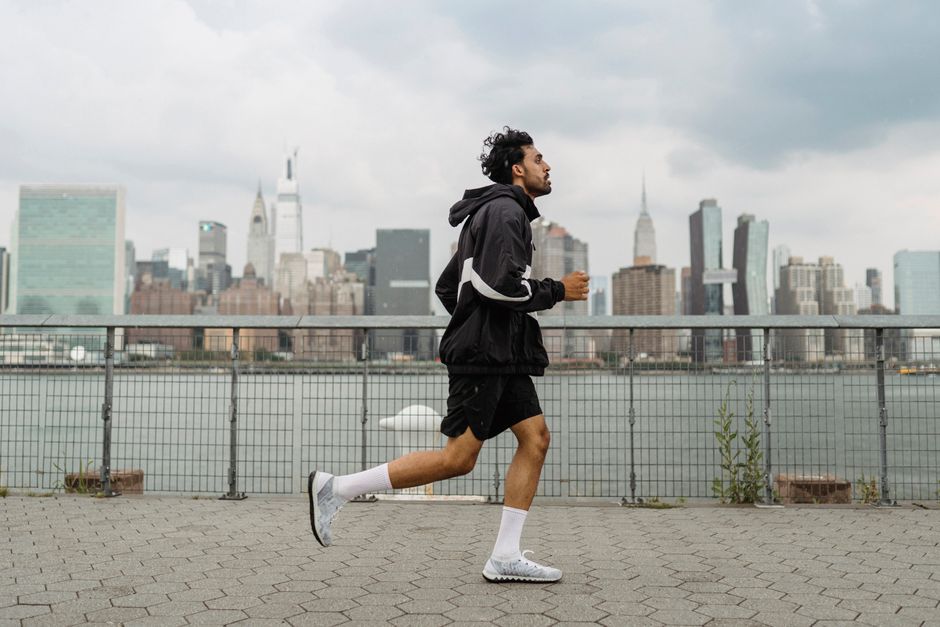
On any given morning, the Hudson River Greenway thrums with runners of all abilities. The 32-mile path that stretches from Battery Park to the Bronx has become more than a jogging route—it's become a catalyst for personal transformation stories across the five boroughs.
The greenway's popularity reflects a larger shift in New York's fitness culture. According to the NYC Parks Department, outdoor trail usage has increased 43 percent since 2023, with running and walking accounting for the largest share. The accessibility factor is clear: these routes are free, distributed across every neighborhood, and require no membership or equipment beyond shoes.
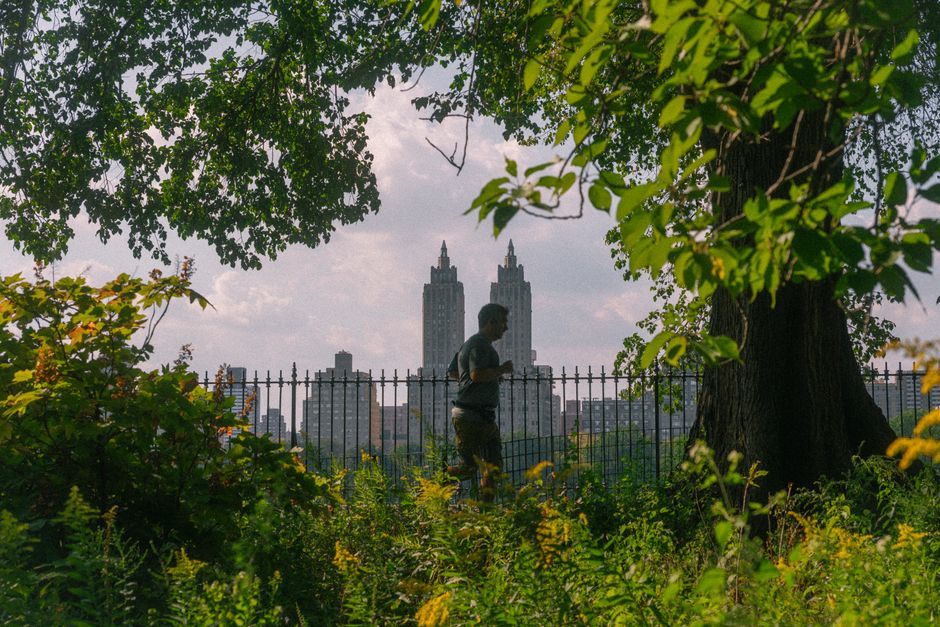
The Upper West Side's Central Park loop—particularly the popular 6.1-mile outer loop—has become a community anchor. Running clubs meet regularly at Bethesda Terrace and loop through Sheep Meadow, creating informal accountability networks. Similar grassroots momentum has taken hold along the East River Greenway, where runners navigate the waterfront from the Financial District up through Astoria Queens.
What distinguishes these spaces from boutique fitness studios (which remain popular in neighborhoods like SoHo and the Upper East Side, with classes averaging $35-$40 per session) is their democratizing effect. Prospect Park in Brooklyn, with its 3.35-mile main loop and numerous trail variations, has sparked similar community engagement, particularly among runners tackling the park's more challenging terrain near Lookout Hill.
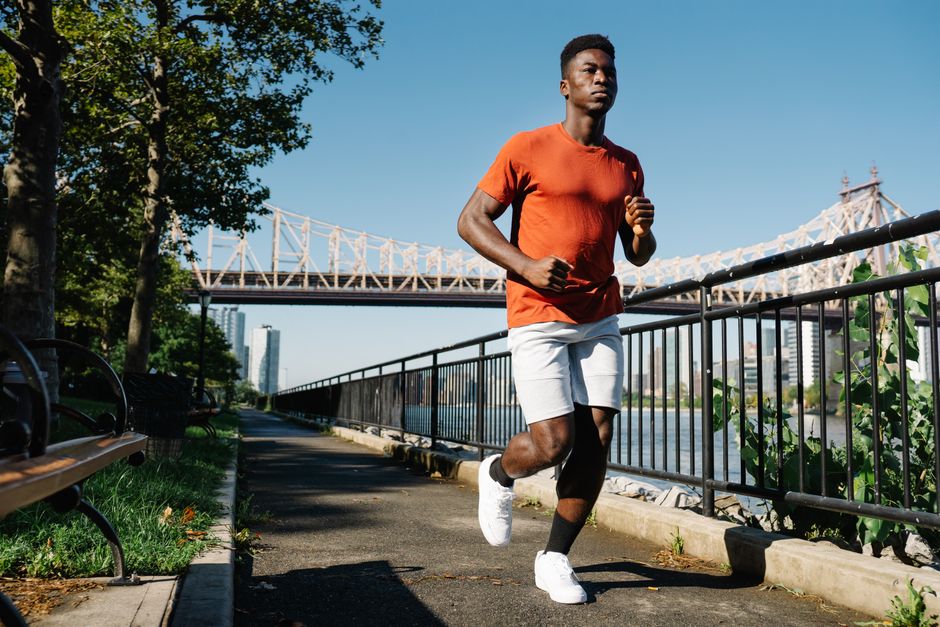
The protected bike lanes expanding across the city—now totaling over 630 miles according to NYC DOT—have also enhanced safety for runners using street routes to connect neighborhoods. The Queensboro Bridge path and the Manhattan Bridge pedestrian/bike path have opened new possibilities for cross-borough training.
Local running organizations have capitalized on this momentum. Groups ranging from parkrun (free, weekly 5K events) to neighborhood-based clubs have documented consistent growth in participation. These communities often extend beyond fitness, creating social infrastructure that addresses isolation—a significant factor in overall wellness.
The transformation stories emerging from these trails share common threads: improved cardiovascular markers, weight loss, better sleep, and perhaps most significantly, sustained behavioral change. The outdoor environment appears to matter. Research from the Journal of Environmental Psychology suggests that runners maintain consistency longer when exercising in green spaces compared to indoor alternatives.
As summer approaches, New York's outdoor fitness infrastructure—from the Harlem Meer loop in Central Park to Domino Park in Williamsburg—stands ready to support the next wave of health transformations. For many New Yorkers, the path to wellness has literally paved itself across their neighborhoods.
This article was compiled by AI from the sources linked above and screened before publishing. See our editorial standards.