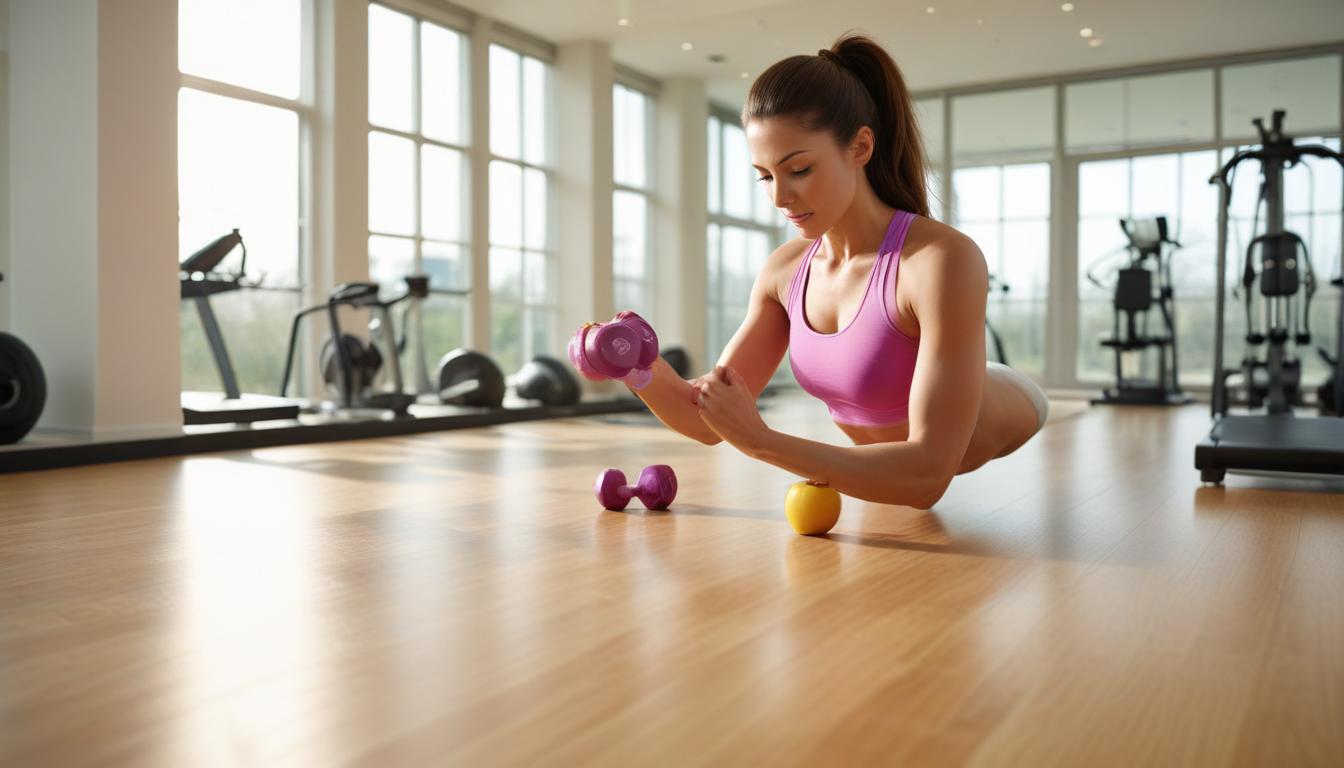
From Solo Sweat to Squad Goals: How New York's Fitness Challenges Are Building Community
As boutique fitness studios compete for attention, group challenges that span neighborhoods are proving that the real workout high comes from moving together.
As boutique fitness studios compete for attention, group challenges that span neighborhoods are proving that the real workout high comes from moving together.
Six months ago, Sarah Chen never imagined she'd know the names of thirty strangers. Today, they're her Monday-night crew. Every week, they gather near the Bethesda Terrace in Central Park for a collective running challenge that's become less about pace and more about belonging. "The accountability piece changed everything," she says. "It's not just about the miles anymore."
Chen is part of a growing movement redefining fitness in New York. While boutique studios still dominate—Peloton, SoulCycle, and Barry's remain fixtures across Manhattan's neighborhoods—community-driven challenges are offering something different: inclusivity at scale. Unlike $35-per-class memberships, many are free or low-cost. Unlike algorithm-driven solo efforts, they're inherently social.
Take the Hudson River Greenway Challenge, which wrapped its spring iteration in May with over 2,400 participants logging collective miles across the city's expanding 32-mile waterfront path. Or the Roosevelt Island Running Club's monthly "Five Borough Five-Miler," which rotates routes through neighborhoods from Astoria to Sunset Park, intentionally connecting fitness communities across borough lines. Even traditionally gym-centric neighborhoods like Murray Hill and the Upper West Side have spawned free outdoor yoga circles and walking groups that meet weekly at specific coordinates—lately, the Naumburg Bandshell has become an unofficial Tuesday-evening gathering spot.
The appeal is partly economic. New York's fitness landscape skews expensive, with monthly studio memberships averaging $200-300. But there's something deeper happening. Research from the American Heart Association suggests that group fitness participation increases long-term adherence by nearly 40 percent compared to solo routines. "When you're moving with others, you're not just exercising," says one wellness director at a downtown community center. "You're creating identity."
These challenges vary wildly. Some track cumulative steps or miles over 30 days. Others are race-day events—the Asphalt Green's annual waterfront 10K draws thousands. Several leverage apps like Strava to create friendly competition while maintaining the human connection. Last month, a grassroots group launched a "Stairwell Challenge" inviting New Yorkers to climb 50 flights in their apartment buildings or office towers, tracking totals on a shared spreadsheet. The winner? A retired teacher from Washington Heights who'd been sedentary for three years.
As summer approaches and New Yorkers venture outdoors, the momentum is accelerating. The real shift isn't about fitness technology or trend-chasing. It's about recognizing that in a city of eight million, moving alone can feel isolating. Moving together? That's when the real transformation happens.
This article was compiled by AI from the sources linked above and screened before publishing. See our editorial standards.
How does this story make you feel?
Spread the word
About this article
Published by The Daily New York
Daily brief
Free, in your inbox before 7am. Weekdays.
More in Wellness