The Sleep Revolution Takes Hold in New York: How the City That Never Sleeps Is Finally Getting Rest
From Tribeca sleep clinics to Brooklyn meditation studios, New Yorkers are embracing recovery-focused wellness like never before.
From Tribeca sleep clinics to Brooklyn meditation studios, New Yorkers are embracing recovery-focused wellness like never before.
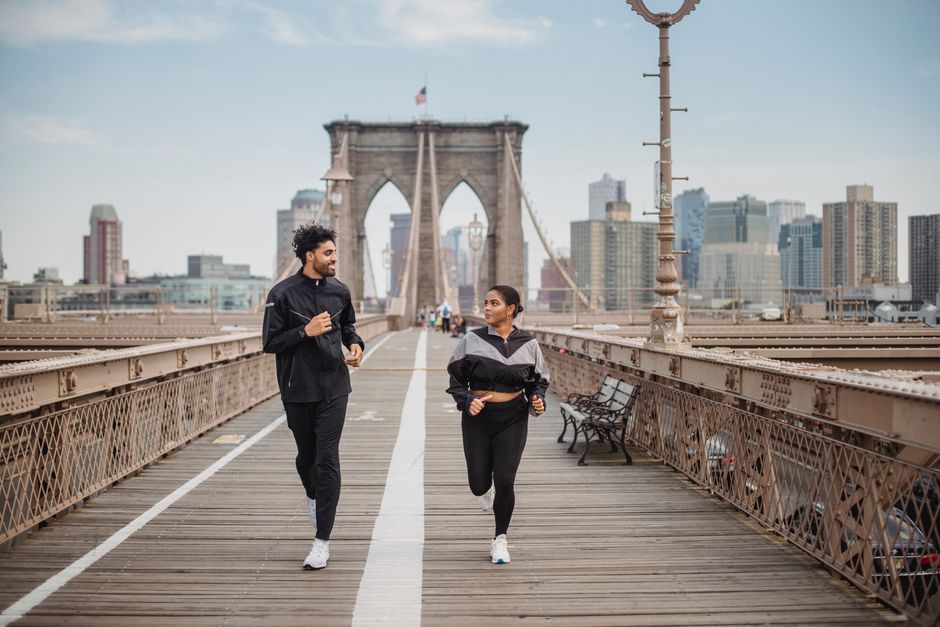
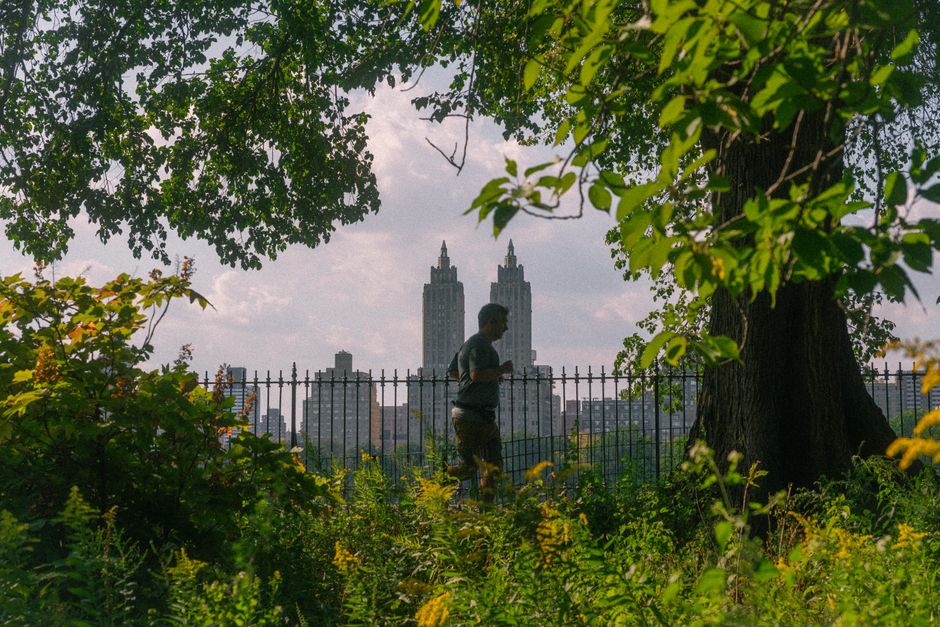
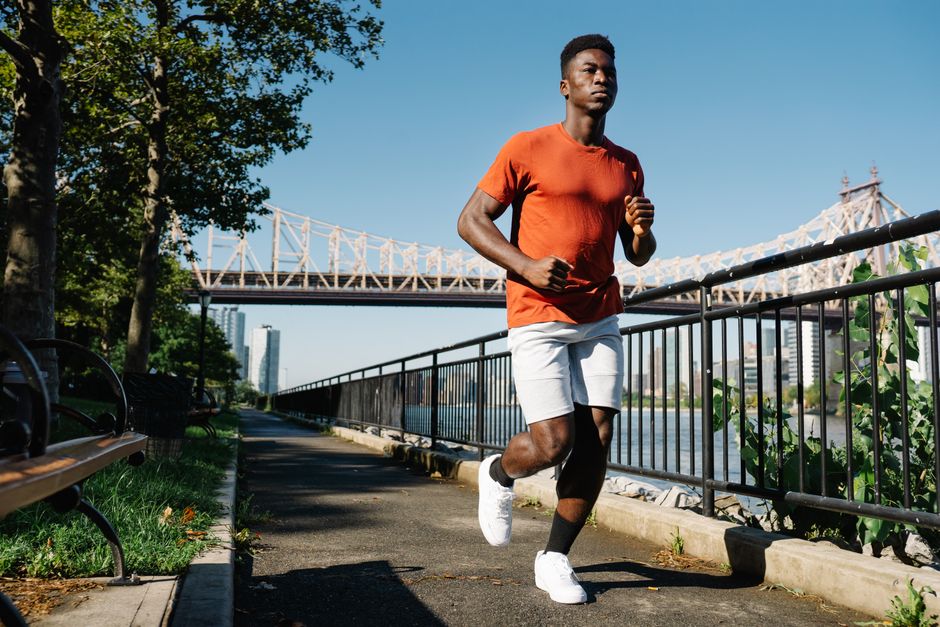
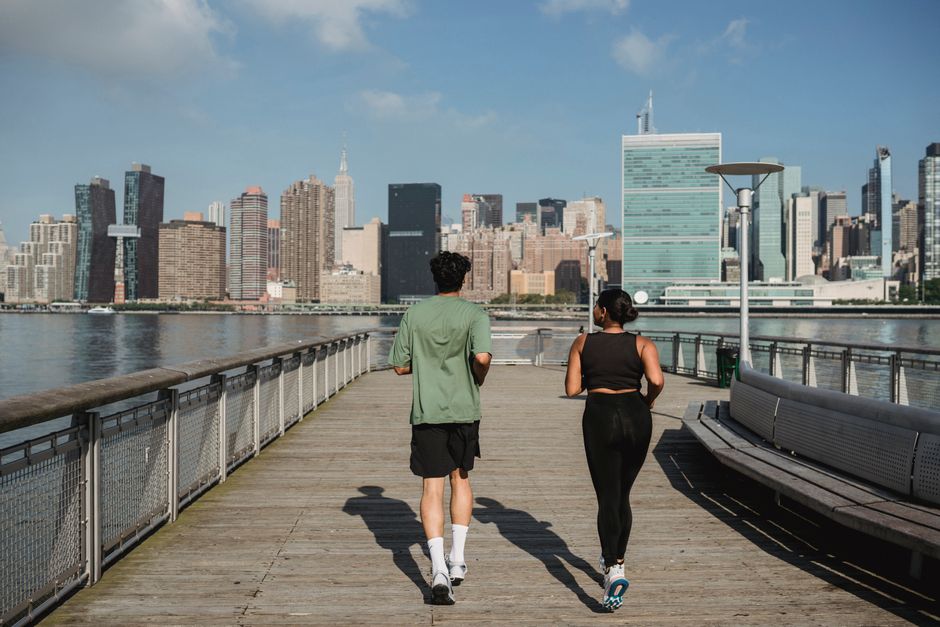
New York has long prided itself on relentless productivity—the hustle, the grind, the 6 a.m. run through Central Park followed by back-to-back meetings. But something has shifted. Sleep wellness, once dismissed as indulgent, is now reshaping how the city approaches health, and the infrastructure around it is booming.
The numbers tell the story. Sleep medicine consultations at New York Presbyterian and Mount Sinai have increased 34 percent since 2024, according to hospital administrators. Meanwhile, boutique sleep recovery studios—a category virtually nonexistent five years ago—now cluster in Tribeca, the Upper West Side, and Park Slope, charging between $35 and $85 per session for everything from infrared sauna recovery to neurofeedback-assisted napping pods.
"We've moved from treating sleep as a luxury to treating it as infrastructure," says the wellness director at a major Manhattan health system, explaining the shift in how high-performing professionals view rest. The city's competitive fitness culture—which built its reputation on intensity—is quietly pivoting. Studios along the Hudson River Greenway and in Brooklyn's Williamsburg now offer "active recovery" classes that emphasize parasympathetic nervous system activation rather than heart-rate maximization.
The trend reflects broader lifestyle changes. Commuters on the N train to Brooklyn are more likely to see passengers in noise-canceling headsets practicing guided sleep meditation than scrolling social media. Rooftop bars in the Meatpacking District have introduced "blue light-free" evenings. Even the city's obsessive coffee culture shows cracks: specialty matcha and adaptogenic mushroom lattes now compete with espresso in SoHo cafés.
Local sleep specialists attribute the shift to pandemic legacies—burnout, anxiety, and the blurring of work-from-home boundaries—combined with emerging research on sleep's role in longevity and cognitive performance. Young professionals in tech and finance, historically the city's sleep-deprivers, are now among the most vocal advocates for eight-hour nights and afternoon wind-down protocols.
Real estate has followed. Sleep-optimized apartments—featuring blackout technology, acoustic insulation, and circadian lighting systems—are marketing features in new developments across Manhattan and Brooklyn. Some landlords on the Upper East Side now highlight "sleep-ready bedrooms" in listings.
The irony isn't lost on longtime New Yorkers: a city built on the premise that sleep is for the weak is now treating rest as the ultimate performance hack. Whether it's a lasting cultural shift or another wellness cycle remains to be seen, but for now, New York is finally shutting its eyes.
This article was compiled by AI from the sources linked above and screened before publishing. See our editorial standards.
How does this story make you feel?
Spread the word
About this article
Published by The Daily New York
Daily brief
Free, in your inbox before 7am. Weekdays.
More in Wellness