The Trail Resource You're Missing: Why Local Running Clubs Are Your Secret Weapon
New York's organized running communities offer free route planning, injury prevention guidance, and a built-in social network—here's where to find them.
New York's organized running communities offer free route planning, injury prevention guidance, and a built-in social network—here's where to find them.
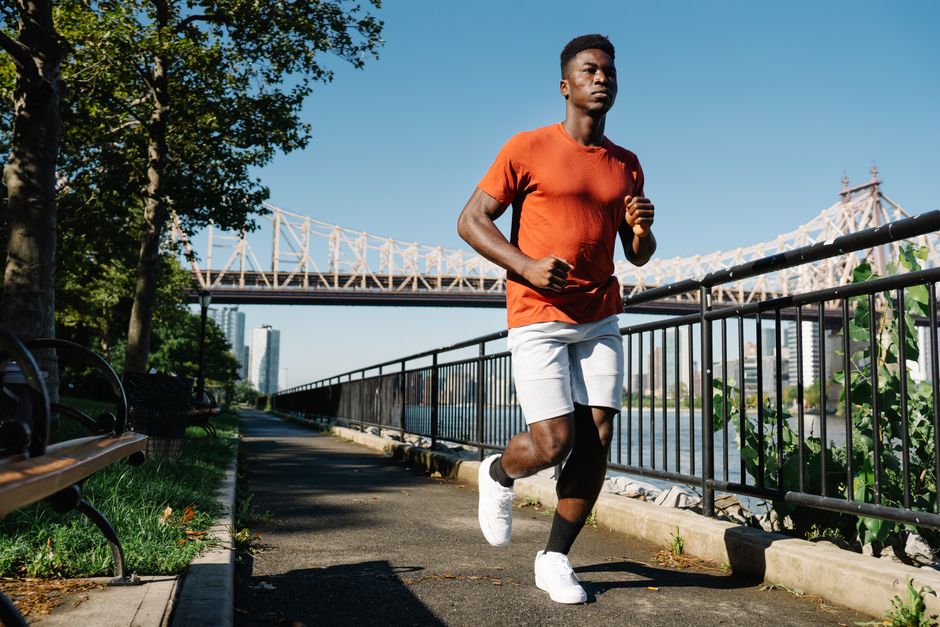
If you've been pounding the same Central Park loop or Hudson River Greenway mile marker for months, you're missing an underutilized resource that could transform your outdoor running: the city's established running clubs and trail networks that offer free or low-cost guidance.
The New York Road Runners (NYRR), based in Midtown, operates more than 50 free group runs weekly across all five boroughs. Beginners often overlook this organization beyond its famous marathon lottery. The club's website breaks down routes by pace and distance—from gentle 2-mile jaunts in Washington Square Park to challenging 10-mile runs through the Bronx's Van Cortlandt Park. Membership is free, and newcomers receive curated maps highlighting water fountains, bathroom access, and safer neighborhood corridors. Their trail guides specifically identify elevation gains, particularly useful for runners transitioning from flat Central Park terrain to the steeper paths around the Reservoir or Inwood Hill Park.
What makes these clubs valuable beyond social connection is their injury prevention framework. Many organize quarterly workshops on gait analysis and footwear selection, often partnering with physical therapists from NYU or Hospital for Special Surgery. The club's digital app logs your runs and flags patterns—excessive mileage spikes, repeated routes—that correlate with overuse injuries.
For those interested in trail-specific terrain, the New York-New Jersey Trail Conference maintains detailed route maps for Hudson River Park's expanding network, including the recently completed Battery Park City esplanade extension and emerging trails in Riverbank State Park in West Harlem. Their quarterly guidebooks cost $12 and include GPS coordinates, difficulty ratings, and seasonal hazard alerts (flooding on lower Manhattan trails, ice on northern exposures in winter).
Local running stores like Fleet Feet on the Upper West Side and Jackrabbit on the Upper East Side also function as informal community hubs, offering free route consultations and hosting neighborhood-specific running groups. These establishments maintain current information about street closures affecting your usual paths—essential given Manhattan's constant construction.
The barrier to entry is genuinely low. Most NYRR runs gather at accessible subway stops, and the club's pace-specific groups mean you're never running alone, regardless of your speed. For New Yorkers exhausted by algorithmic fitness apps and treadmill monotony, these local structures provide what no app can: real humans who know which Prospect Park hills to avoid during summer heat, which Brooklyn Bridge anchorway routes work best at dawn, and how to make outdoor running sustainable beyond June.
Start by visiting NYRR's website or visiting your nearest running store this week. Your next best run is probably organized by people already in your neighborhood.
This article was compiled by AI from the sources linked above and screened before publishing. See our editorial standards.
How does this story make you feel?
Spread the word
About this article
Published by The Daily New York
Daily brief
Free, in your inbox before 7am. Weekdays.
More in Wellness