Running New York's Best Trails: Evidence-Based Tips That Actually Work for Local Conditions
From managing humidity to navigating uneven surfaces, here's what the science says about staying injury-free on the city's most popular running routes.
From managing humidity to navigating uneven surfaces, here's what the science says about staying injury-free on the city's most popular running routes.
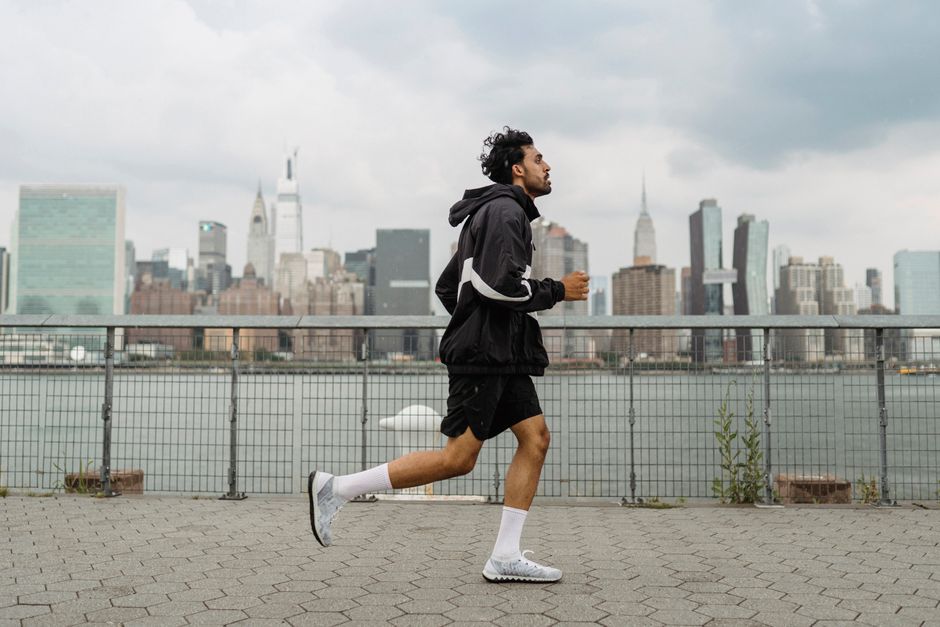
New York's running culture thrives on concrete and chaos—but the biomechanics of urban running differ sharply from treadmill training. If you're logging miles in Central Park or along the Hudson River Greenway, understanding how local conditions affect your body can mean the difference between a sustainable routine and a preventable injury.
The city's summer heat and humidity, which regularly climb above 85 degrees and 70 percent humidity from June through August, increase core body temperature faster than dry climates. Research published in the Journal of Athletic Training shows runners in humid conditions experience 8 to 12 percent greater cardiovascular strain. The practical fix: start earlier. A 6 a.m. run along the Hudson River Greenway—which extends 32 miles with dedicated lanes from Battery Park to the George Washington Bridge—keeps you ahead of peak heat while offering consistent, smooth surfaces.
Central Park's 6.1-mile loop presents a different challenge. Its crushed granite and asphalt pathways, combined with elevation changes totaling roughly 500 feet, demand eccentric muscle control that flat city streets don't develop. The Reservoir loop (1.6 miles) offers a gentler introduction to the park's terrain, while the East Drive has become increasingly popular since protected bike lane expansions reduced traffic conflicts.
Surface variability matters more than most runners realize. A 2024 biomechanics study found that uneven surfaces—common on older Manhattan sidewalks and park paths—increase ankle proprioceptive demands by 18 percent. This doesn't mean avoiding them; it means conditioning gradually. Runners new to urban trails should dedicate one session per week to variable terrain, allowing neuromuscular adaptation without overloading.
Moisture management is critical. The city's summer humidity means sweat doesn't evaporate efficiently, reducing your body's cooling capacity. Moisture-wicking fabrics aren't luxury—they're functional. Cotton retains sweat and increases chafing risk by up to 40 percent in humid conditions.
For structured guidance, organizations like New York Road Runners (NYRR) offer free coaching clinics and organized group runs across all five boroughs, providing real-time feedback on form and pacing adapted to local conditions. Their Tuesday evening runs in Central Park and Saturday morning Prospect Park sessions draw hundreds of runners and offer community accountability.
The smartest approach: respect the environment rather than fight it. Start conservatively, build gradually, and choose routes and timing that align with physiological reality. Your knees—and your consistency—will thank you.
This article was compiled by AI from the sources linked above and screened before publishing. See our editorial standards.
How does this story make you feel?
Spread the word
About this article
Published by The Daily New York
Daily brief
Free, in your inbox before 7am. Weekdays.
More in Wellness