On a Tuesday evening in Prospect Heights, a group of professionals gathers in a sun-lit studio on Franklin Avenue for what has become their weekly anchor: a 90-minute restorative yoga class. The studio, one of dozens of boutique wellness spaces that have proliferated across Brooklyn and Manhattan in recent years, represents a broader shift in how New Yorkers are approaching mental health—not as an individual problem to solve, but as a communal practice to build.
The statistics underscore the urgency. According to the New York State Department of Health, anxiety and depression diagnoses among New Yorkers increased 23 percent between 2022 and 2025. Yet increasingly, residents are finding that solutions emerge not in isolation, but through shared experience and local infrastructure.
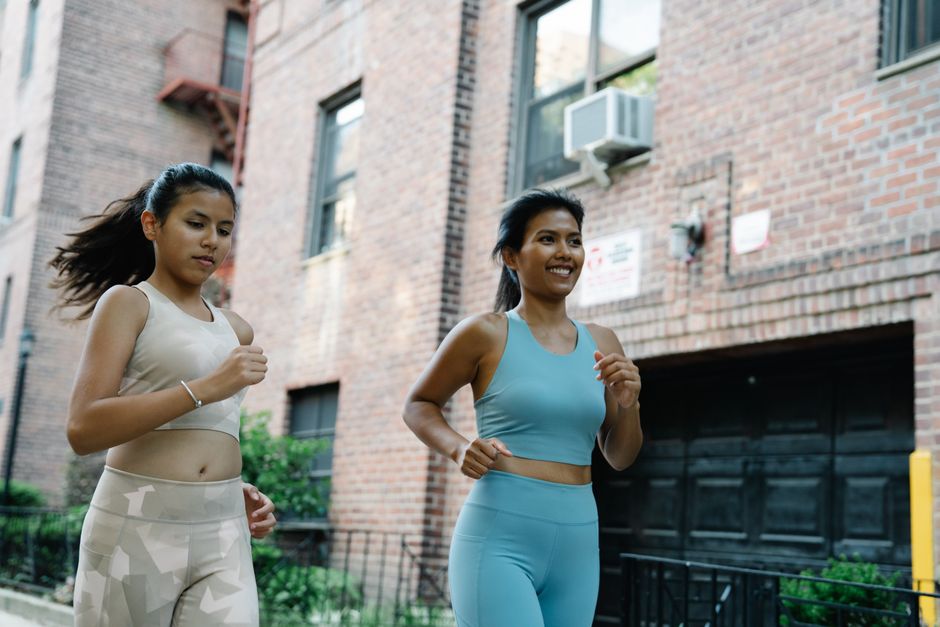
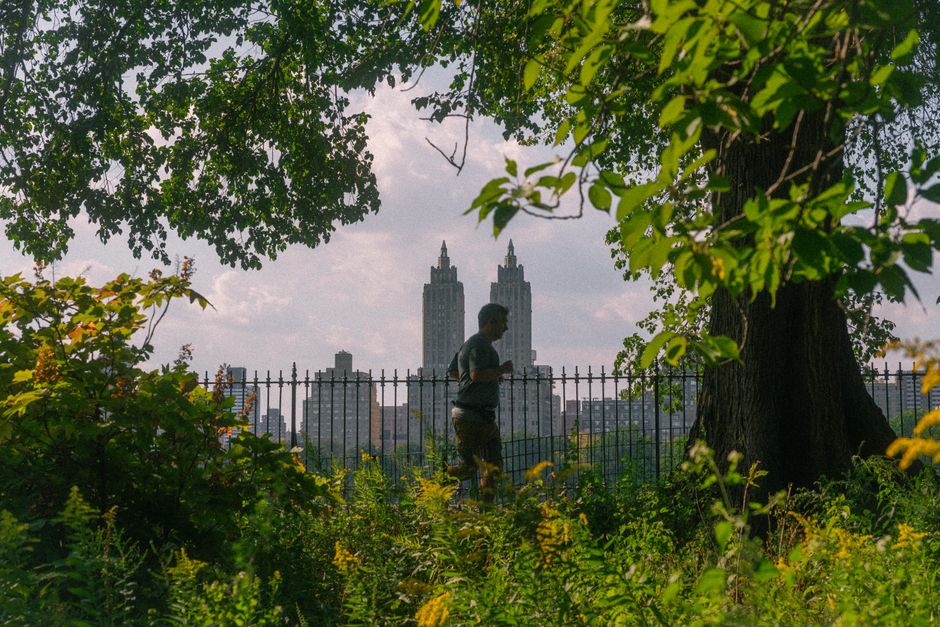
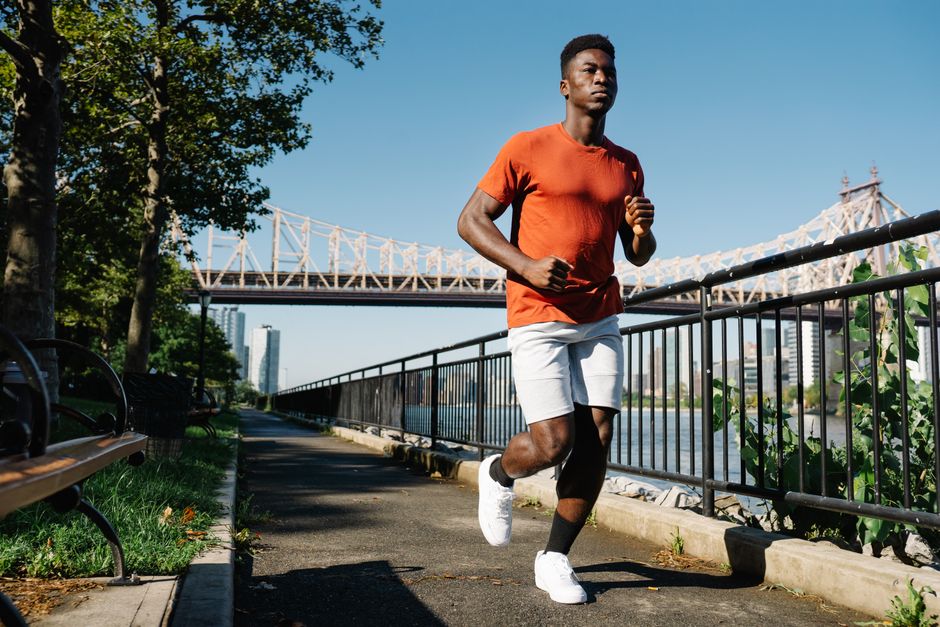
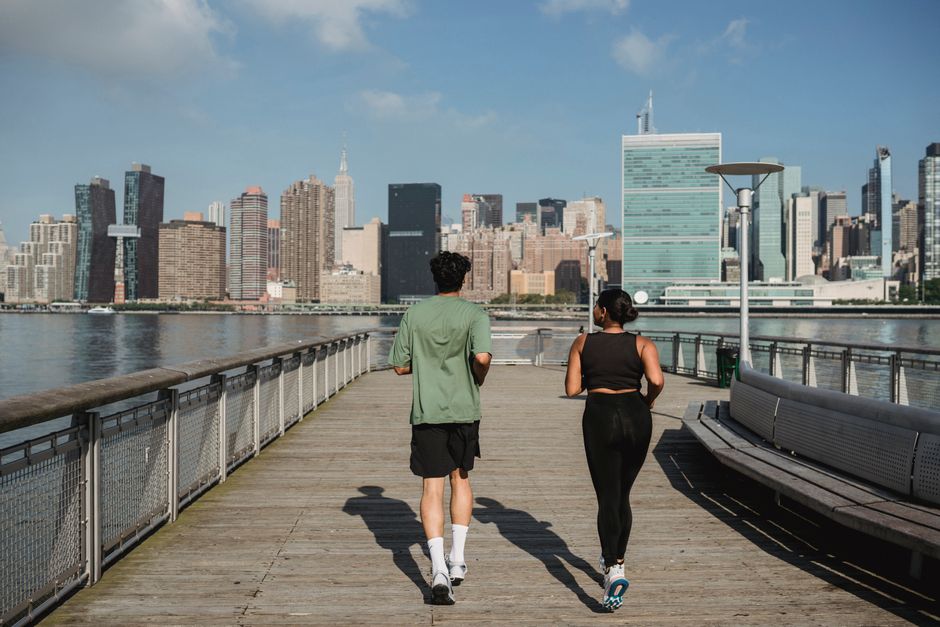
Along the Hudson River Greenway, a growing network of sunrise walking groups has transformed the waterfront into an informal wellness corridor. These gatherings—organized through neighborhood apps and community boards—cost nothing and connect participants to both physical movement and peer support. A similar evolution is visible in Central Park, where mindfulness circles have multiplied from just three consistent groups in 2023 to over a dozen today, meeting near the Bethesda Terrace and Sheep Meadow.
What distinguishes these grassroots movements is their accessibility. While boutique fitness classes in Manhattan can cost $35 to $45 per session, many community-based meditation and mindfulness programs operate on donation or sliding-scale models. Nonprofits like the Urban Zen Initiative, headquartered in NoHo, offer free mindfulness training to underserved populations across five boroughs. Similarly, programs at community centers in neighborhoods from Astoria to Washington Heights have expanded their mental health offerings, recognizing that stress management need not be a luxury good.
The shift reflects a deeper understanding: that mental resilience builds through repetition, accountability, and belonging. When someone shows up to the same park bench for meditation with familiar faces, or participates in a weekly restorative practice with their neighbors, the psychological benefits extend beyond the session itself.
For New Yorkers navigating this city's particular pressures—the noise, the pace, the density—these localized wellness communities offer something increasingly rare: a sense of collective purpose. They suggest that transformation isn't about finding the perfect app or attending one transformative retreat, but about showing up, consistently, in the places where we live.
For those seeking mental health support, consult with healthcare providers at New York's leading institutions or contact your local community health center for guidance on stress management resources.
This article was compiled by AI from the sources linked above and screened before publishing. See our editorial standards.