Why Running New York's Outdoor Trails Works: The Science Behind Fresh-Air Fitness
Research shows that outdoor running on natural routes offers measurable cognitive and physical benefits that gym treadmills simply cannot replicate.
Research shows that outdoor running on natural routes offers measurable cognitive and physical benefits that gym treadmills simply cannot replicate.
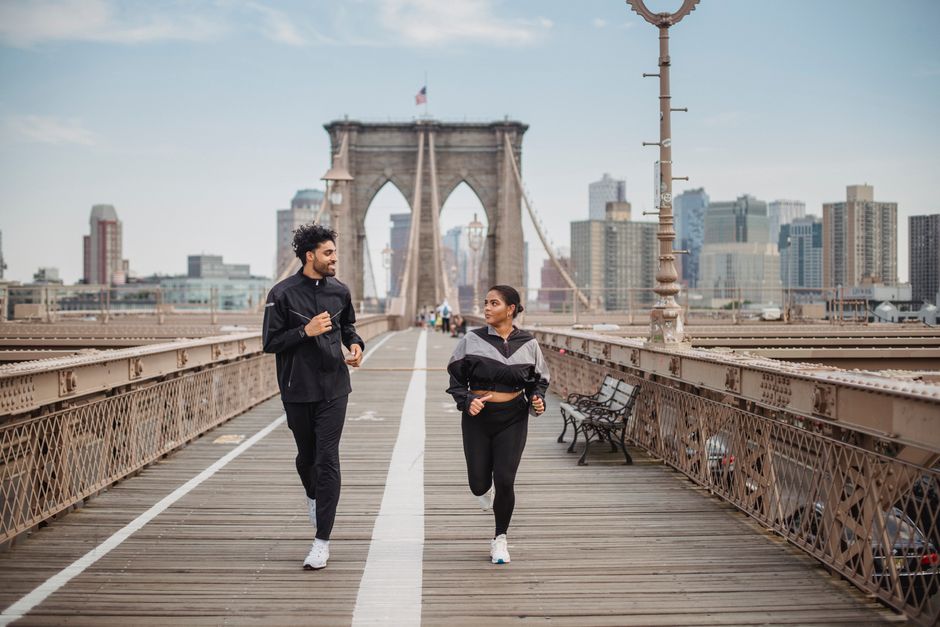
New Yorkers have long treated Central Park as their personal running laboratory, but recent research suggests there's genuine neurological logic behind trading the gym for outdoor trails. Studies published in the Journal of Environmental Psychology show that runners on natural routes experience 13 percent greater improvements in mood and cognitive function compared to those on indoor equipment—findings that align with what thousands of New Yorkers are discovering on the city's expanding network of parks and paths.
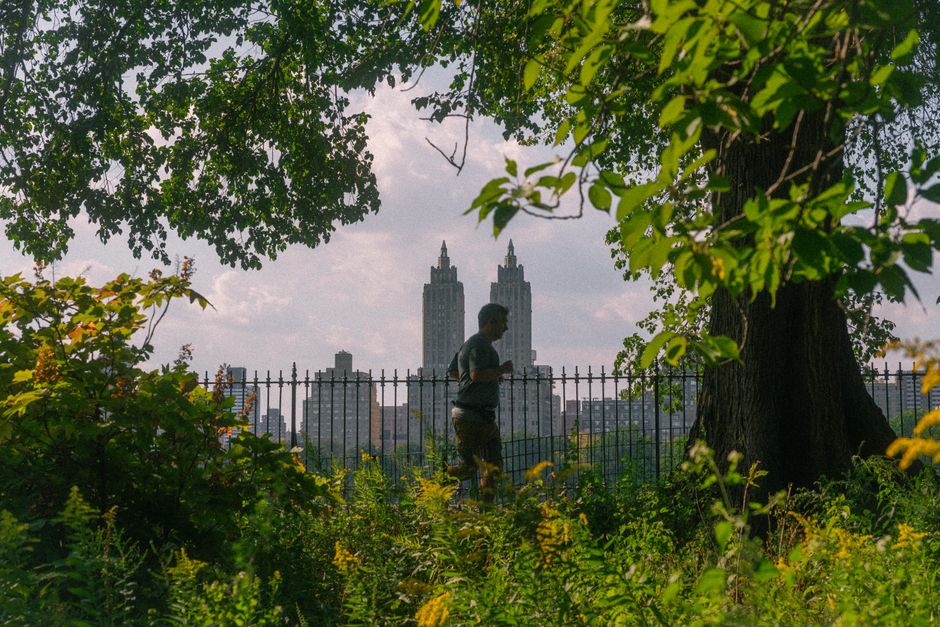
The science centers on what researchers call "attention restoration theory." When runners navigate terrain with natural elements—the varied topography of the Ramble in Central Park, the waterfront vistas along the Hudson River Greenway, or the tree-lined paths through Prospect Park—their brains engage different neural pathways than those activated by monotonous indoor running. "Natural environments demand what's called 'soft fascination,' which relaxes the prefrontal cortex while maintaining engagement," explains research from the University of Michigan's School of Kinesiology, findings that resonate with Manhattan's running community.
Beyond neurology, outdoor running offers distinct physiological advantages. Studies from the Journal of Sports Sciences indicate that uneven natural surfaces require greater muscular stabilization, engaging smaller support muscles that flat treadmills never tax. This translates to improved balance and reduced injury risk—particularly relevant for older runners, a demographic increasingly active on the Greenway between Battery Park and Midtown West.
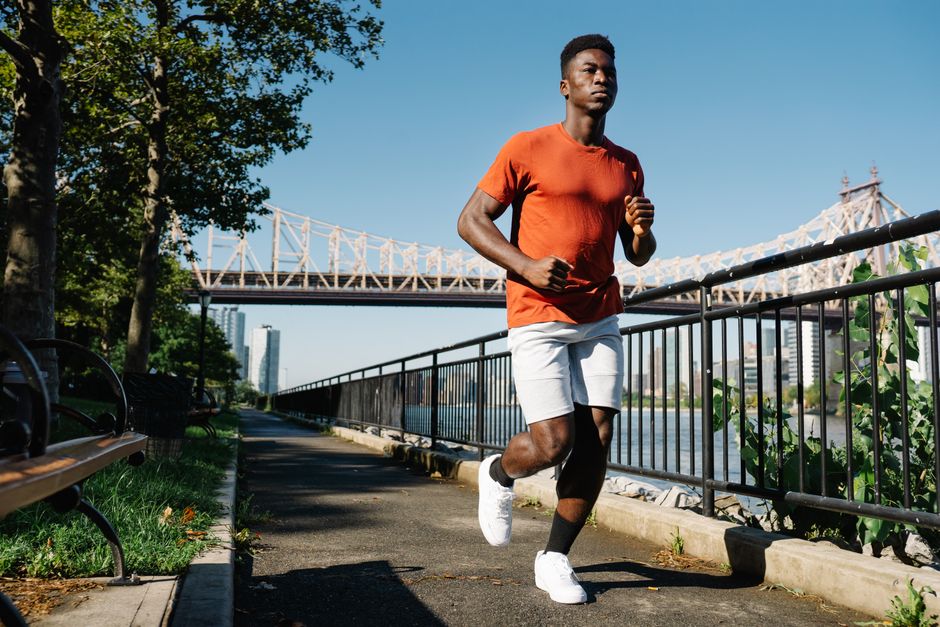
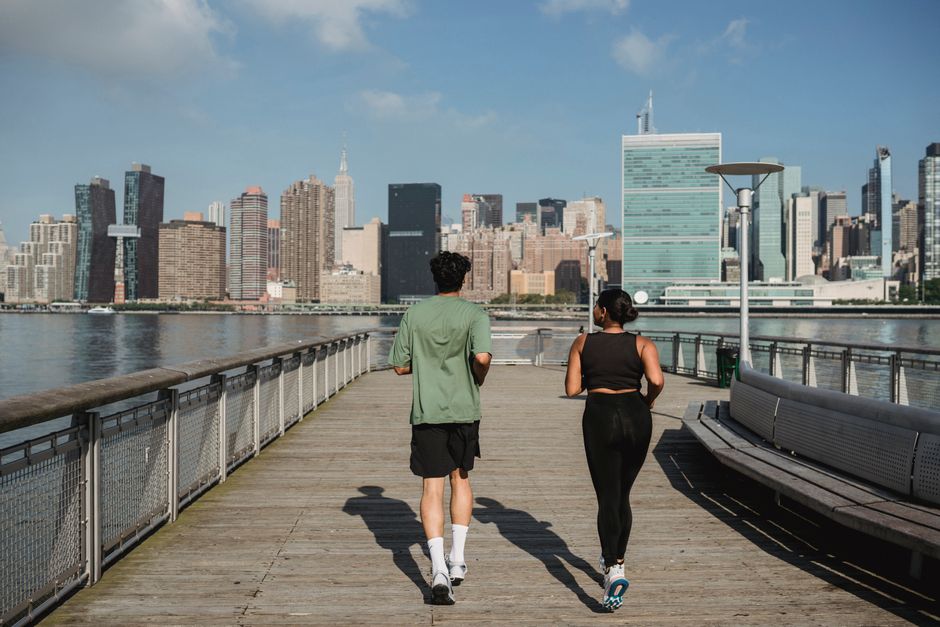
The Hudson River Greenway, which stretches 32 miles and recently expanded its protected sections, represents an ideal research model. Air quality data from the Department of Environmental Protection shows marked improvement in this corridor since 2020, making it both scientifically sound and accessible. Central Park's 6.1-mile loop remains the city's most-tracked running destination, with seasonal variation in terrain offering what sports physiologists call "varied stimulus adaptation"—essentially, your body works differently across seasons.
Temperature regulation differs too. Outdoor running triggers more efficient thermoregulation compared to climate-controlled gyms, strengthening the body's metabolic resilience. A 2024 study in the International Journal of Environmental Research and Public Health found that runners exposed to natural temperature fluctuations showed improved cardiovascular adaptation over eight weeks.
For New Yorkers seeking evidence-based wellness, the case is clear: lace up and head to the Greenway, Central Park, or the emerging trails through Inwood Hill Park. Your brain—and your muscles—will thank you.
This article was compiled by AI from the sources linked above and screened before publishing. See our editorial standards.
How does this story make you feel?
Spread the word
About this article
Published by The Daily New York
Daily brief
Free, in your inbox before 7am. Weekdays.
More in Wellness