A Beginner's Guide to Starting a Meditation Practice in New York City
Forget the incense and the app subscriptions, here's how to actually build a meditation habit in a city designed to make stillness feel impossible.
Forget the incense and the app subscriptions, here's how to actually build a meditation habit in a city designed to make stillness feel impossible.
More New Yorkers are sitting still, deliberately. Enrollment in beginner meditation programs at Manhattan studios has climbed roughly 34 percent since 2023, according to figures compiled by the Yoga Alliance, and the city's hospital networks have quietly expanded their mindfulness offerings to keep pace. The question isn't whether meditation works anymore. The question is how a person living beside a jackhammer on Seventh Avenue is supposed to start.
The timing matters. The mid-year pressure point, end of Q2 performance reviews, school letting out, subway delays spiking with summer construction, lands reliably around July 4th weekend, and clinicians at NewYork-Presbyterian have noted a seasonal uptick in stress-related presentations at this time of year. Mindfulness-based stress reduction, or MBSR, was formalized at the University of Massachusetts in 1979, and decades of peer-reviewed research have since confirmed it can measurably lower cortisol levels and reduce anxiety symptoms. The hard part has never been the science. It's getting started.
The most accessible entry point in the city right now is probably free. The Interdependence Project, based in the East Village, runs drop-in meditation sessions on a sliding-scale donation model, typically $5 to $20 per class, and caters explicitly to beginners who have never once sat on a cushion. No affiliation required. No retreat deposit. Just show up to their space on East 14th Street.
For those who want a structured eight-week course, the MBSR program at the Mount Sinai Beth Israel Integrative Health Services on East 16th Street is one of the most clinically grounded options in the five boroughs. The full program runs approximately $450, though financial assistance is available. It follows the original Jon Kabat-Zinn curriculum, which means participants log formal practice time daily, usually 45 minutes, and attend weekly group sessions with a trained instructor. That sounds like a lot, but the research consistently shows that consistency over intensity is what moves the needle. Even ten minutes a day, practiced six days a week, produces measurable changes in self-reported stress after eight weeks.
Apps occupy the budget end of this market. Headspace charges $12.99 a month and Calm runs $69.99 annually, but wellness coaches increasingly note that apps have a dropout problem, users abandon them at high rates after 30 days. The studios and hospital programs tend to produce longer-lasting habits because accountability is built in.
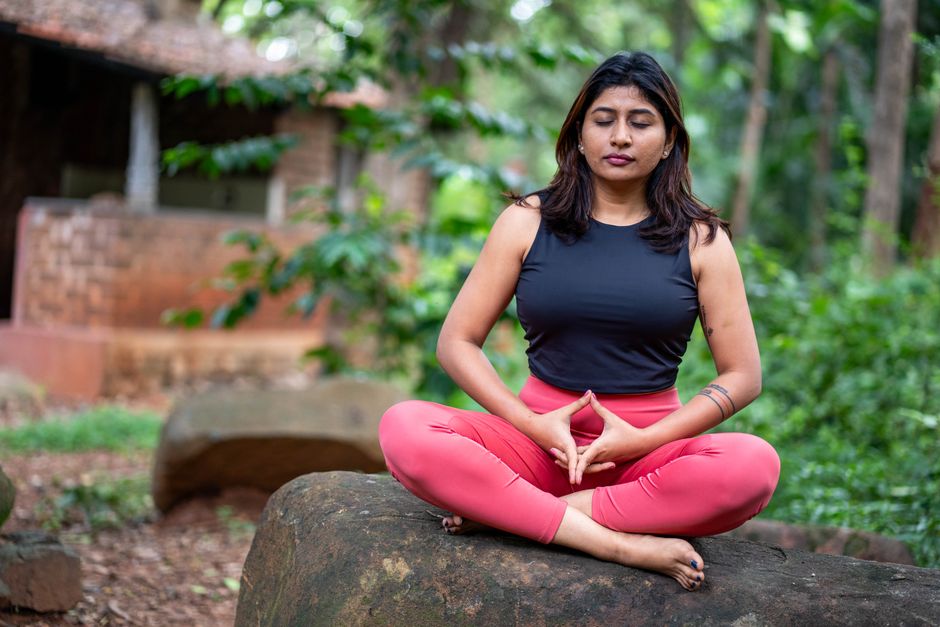
Start smaller than you think you should. Five minutes is not a cop-out. Sit upright, on a chair is fine, the floor is not mandatory, set a timer, close your eyes, and pay attention to the sensation of breathing at the nostrils or the chest. When your mind wanders, which it will within about four seconds, gently return your attention to the breath. That returning is the practice. Repeat it until the timer sounds.
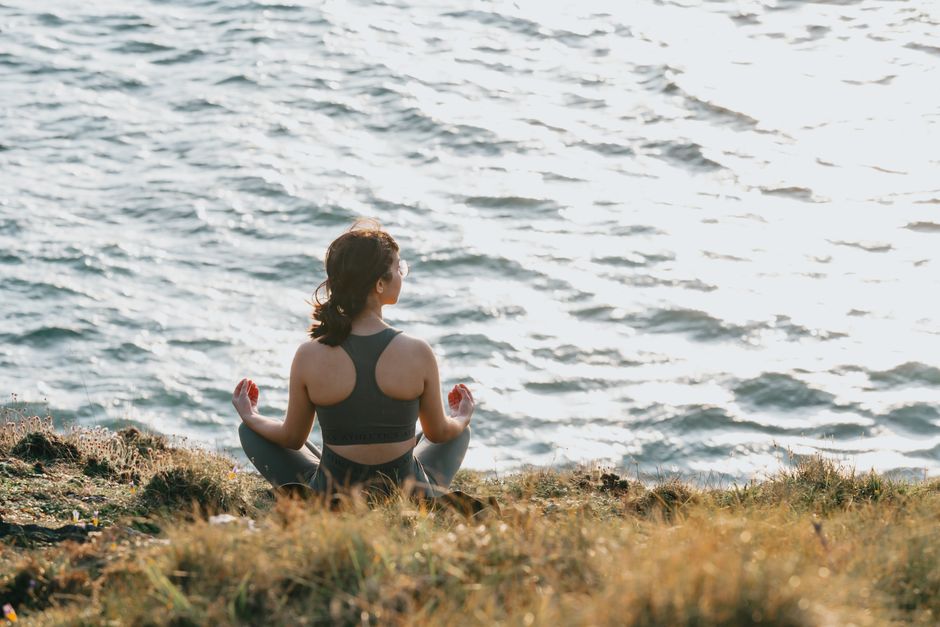
Central Park offers a useful outdoor option for warmer months, specifically, the North Meadow, at 97th Street, tends to be quieter than the Sheep Meadow on weekday mornings before 8 a.m. Hudson River Park's Pier 46 in the West Village offers a similar pocket of comparative quiet with water in the sightline, which many beginners find settling. Neither requires spending a dollar.
The practical advice that most New Yorkers ignore: pick a fixed time and anchor it to something you already do. Morning coffee, a subway commute with noise-canceling headphones, or the ten minutes before lunch. Habit research from University College London suggests that new behaviors attach more durably when they're linked to existing routines rather than carved out as standalone events.
Consult a physician or licensed mental health professional if you're managing clinical anxiety, depression, or trauma before beginning an intensive program, MBSR and similar courses can surface difficult emotions and a qualified clinician should be part of that process. For most people starting from scratch, though, the barrier is lower than it looks from the outside. The city will not slow down. But you can.
How does this story make you feel?
Spread the word
About this article
Published by The Daily New York
Daily brief
Free, in your inbox before 7am. Weekdays.
More in Wellness