wellness
New Yorkers Lose Hours of Sleep Nightly: Free Help Now Available
From Harlem to the Heights, a crisis of noise, blue light, and stress is costing millions of residents hours of sleep every night, but city-funded programs and neighborhood clinics are offering real relief.
How we reported this
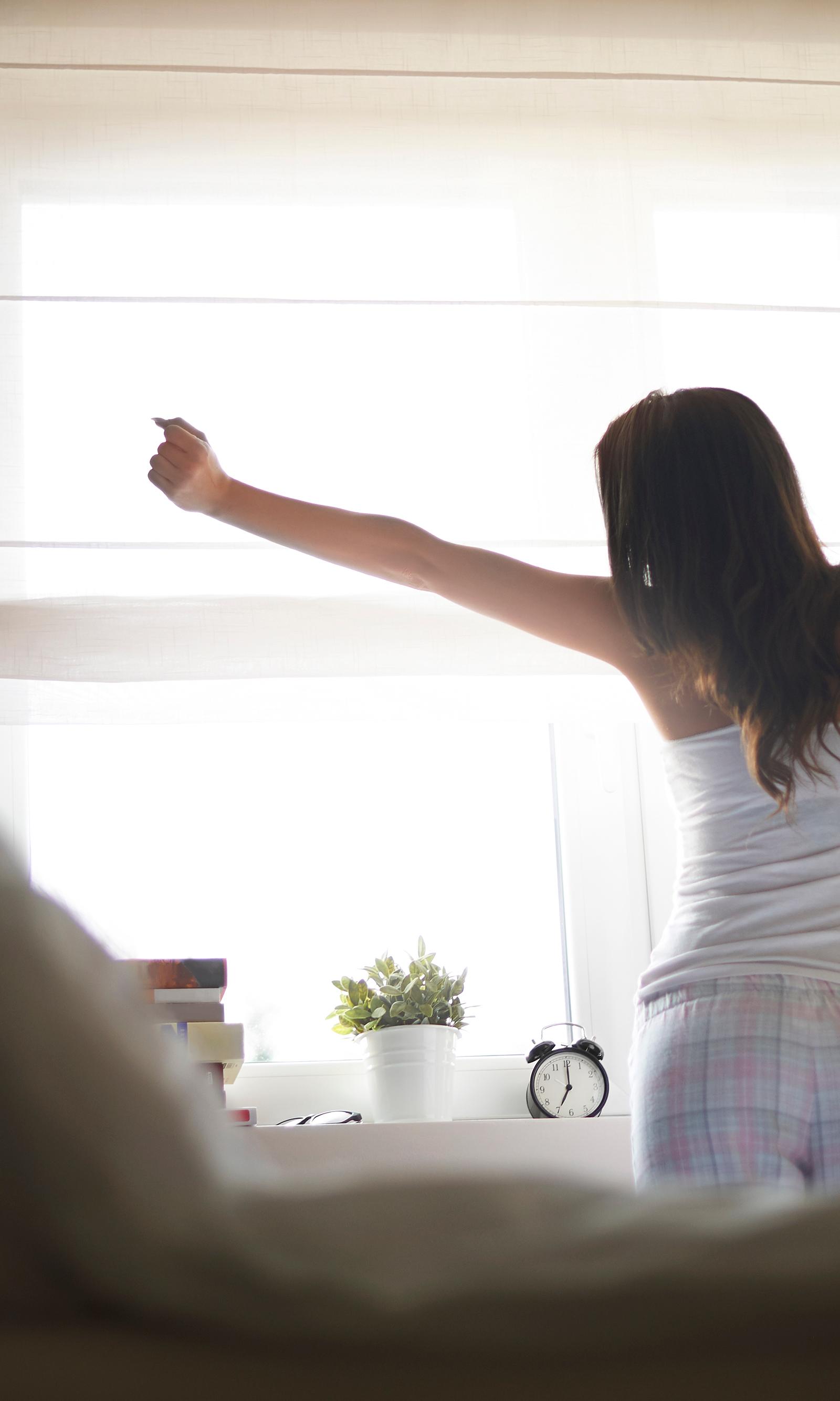
New York City residents sleep an average of 6.5 hours per night, roughly 90 minutes short of the minimum seven hours the American Academy of Sleep Medicine recommends for adults. That gap isn't random. It runs along very specific fault lines: subway noise bleeding through thin apartment walls on the A train corridor in Washington Heights, the glow of delivery app notifications hitting screens at 1 a.m. in Bushwick, the ambient roar of the BQE pressing down on Cobble Hill at all hours. Sleep deprivation here is structural, not personal failure.
The timing matters. Across the country, healthcare providers and public health departments registered a measurable post-pandemic uptick in sleep disorder referrals, and New York's numbers reflect that. The city's Department of Health and Mental Hygiene reported in its 2024 Community Health Survey that nearly 35 percent of adult New Yorkers sleep fewer than seven hours on a regular basis, a figure that climbs to 42 percent in high-density neighborhoods including the South Bronx and Central Brooklyn. Hormone disruption, cardiovascular risk, and declining cognitive function all accumulate at that level of chronic deprivation. The public health cost is not abstract.
Where to Get Help Without Paying Full Price
The good news is that the infrastructure exists, much of it free or income-scaled, if you know where to look. NYC Health + Hospitals, the public hospital network covering facilities including Bellevue on First Avenue and Lincoln Medical Center in the Bronx, operates behavioral sleep medicine programs as part of its outpatient psychiatry and pulmonology services. Appointments are available on a sliding-scale fee structure tied to household income, and uninsured patients are not turned away. Bellevue's sleep clinic, part of the NYU Langone partnership division, accepts Medicaid and can conduct full polysomnography studies, the overnight diagnostic test for sleep apnea, at costs far below the $1,500 to $3,000 billed at private facilities.
For people not ready to enter a clinical setting, the NYC Well hotline, reachable at 1-888-NYC-WELL, available 24 hours, seven days a week in more than 200 languages, connects callers to counselors trained in behavioral sleep interventions. Cognitive Behavioral Therapy for Insomnia, known as CBT-I, is widely considered the first-line, non-pharmacological treatment for chronic sleeplessness. Several NYC Well partner therapists deliver it via telehealth at no cost to residents enrolled in Medicaid or the Essential Plan.
The CUNY School of Public Health runs a community wellness initiative through its Harlem campus on 116th Street that includes free sleep hygiene workshops scheduled most Thursdays at 6 p.m. through September 2026. The workshops don't require insurance, a referral, or even a CUNY affiliation, walk-ins are welcome.
Managing the Urban Environment Itself
Cutting the source of disruption matters as much as treating its effects. The city's 311 system logged more than 94,000 noise complaints in the first quarter of 2026 alone, concentrated in Manhattan below 96th Street and along the L train corridor in Brooklyn. Soundproofing isn't a luxury renovation; acoustic window inserts from companies operating in the Garment District run as low as $200 per window and are eligible for partial rebates under the Con Edison Green Communities program if your building participates.
Screen exposure is the other lever most residents can actually control tonight. The recommendation from sleep specialists, including those affiliated with Weill Cornell Medicine's Center for Sleep Medicine on East 68th Street, is a hard stop on device use 60 minutes before bed, with the room kept below 67 degrees Fahrenheit. It costs nothing. For New Yorkers who exercise outdoors, the Hudson River Park running path and the Central Park reservoir loop both offer pre-sleep evening walks without the artificial light saturation of commercial streets, a detail that matters more than it sounds.
The practical path forward is shorter than most people expect: call NYC Well, look up the CUNY Harlem workshops, or make a sliding-scale appointment at any NYC Health + Hospitals facility. Anyone experiencing persistent symptoms, chronic insomnia lasting more than three weeks, daytime exhaustion despite adequate time in bed, loud snoring, should consult a local physician before trying self-directed approaches. The resources are genuinely there. Using them is the step most New Yorkers haven't taken yet.