Gut Health 101: Fermented Foods You Can Find Locally
Sauerkraut in the East Village, kombucha on the Upper West Side—the city’s probiotic boom is transforming New Yorkers’ diets one jar at a time.
Sauerkraut in the East Village, kombucha on the Upper West Side—the city’s probiotic boom is transforming New Yorkers’ diets one jar at a time.
Fermented foods are having a moment on New York’s grocery shelves and dinner tables. In June, the city’s Department of Health released new guidelines encouraging residents to include more live-culture foods in their diets—a response to mounting evidence linking gut health to everything from immunity to mood.
The shift comes as local interest in nutrition has surged. With running clubs elbowing for space in Central Park and boutique fitness studios thriving from SoHo to Astoria, New Yorkers are looking closely at what fuels them. According to Metro Grocery’s June report, sales of fermented products such as kimchi, kefir, and miso have spiked 28% in Manhattan alone compared to last summer. City health officials point to fermented foods as an easy, affordable line of defense against ultra-processed eating patterns that are common in dense urban environments.
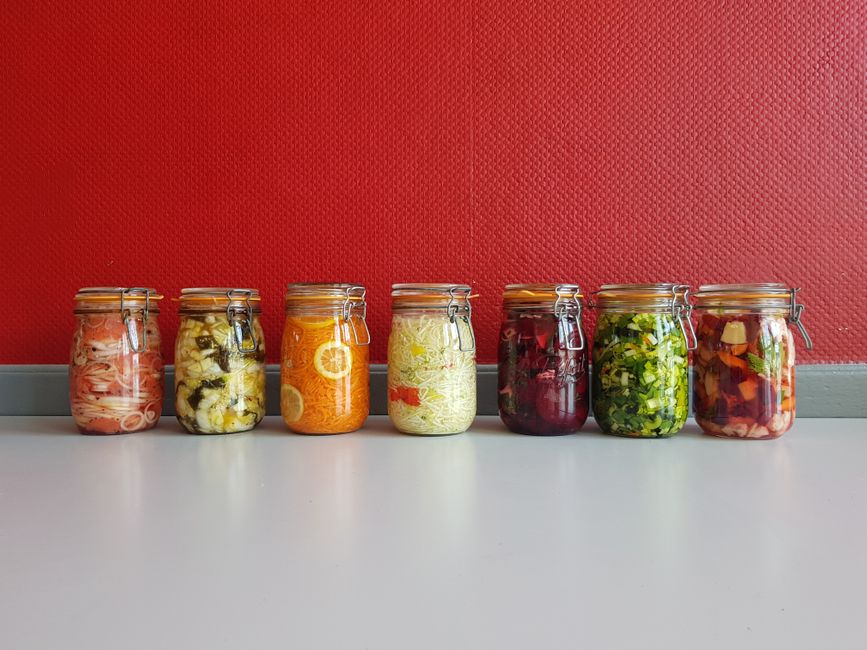
Finding gut-friendly fare in the city isn’t difficult. At Fermentory NYC on Essex Street, shoppers mill around vats of house-made sauerkraut ($11.50 per 16oz jar) and lacto-fermented carrots alongside specialty kombuchas on tap. Down in Crown Heights, Brooklyn, Bobek Deli supplies barrels of pickled cucumbers, beets, and classic cabbage, carrying on a century-old tradition for the area’s Polish and Eastern European families. Over on the Upper West Side, Butterfield Market’s cold case features not only yogurt but also small-batch kimchi from Harlem's Mama O’s and garlic-cilantro kraut made in Red Hook.
The city’s eateries are embracing the trend, too. At Peacefood Cafe (Amsterdan Ave & W 82nd), their summer grain bowls come topped with house-pickled shiitake and ginger, while Lower East Side standby Mission Ceviche offers fermented guava salsa as a tangy side. Across the city, Greenmarket farmers bring jars of kraut, kvass and jun to Union Square each Saturday—many offering tastes to the probiotic-curious.
Behind the aesthetic appeal and flavor punch, fermented foods deliver proven benefits. According to Columbia University's Irving Medical Center, regular consumption of live-culture foods can increase the diversity of the gut microbiome—lowering inflammation markers and improving certain metabolic indicators by as much as 29% over three months, based on a March 2025 study tracking local volunteers. The city’s Health and Hospitals System, which serves 1.1 million New Yorkers annually, has now added fermentation education to its public nutrition programs. Buying fermented items doesn't have to break the bank: at United City Co-op on 145th Street, 32oz jars of raw sauerkraut go for $7, and you can score a 16oz bottle of local kombucha for under $5 at most bodegas in Hell’s Kitchen.
The trend is making inroads with all ages. A survey by YouGov in May found that 42% of Gen Z New Yorkers had recently tried at least one new type of fermented drink or food in the first half of 2026—a 13-point uptick from last year. Partly, that's due to the visibility of these options in neighborhood markets; partly, it’s social media, where posts tagged #NYFerments topped 68,000 by Independence Day.
For the “gut health curious,” experts at city hospitals suggest starting slow. Add a tablespoon of sauerkraut to your lunch salad, or swap in local non-dairy yogurt for breakfast. Fermentation classes at Essex Market’s Demo Kitchen—$25 a session, with sliding scale—fill up quickly, but many local libraries (including the Grand Central branch) now offer free workshops and recipe handouts. If you’re ready to try fermenting at home, La Marqueta’s ‘Vamos a Fermentar!’ pop-up sells kits stocked with cabbage, salt, and starter culture for $14.
While evidence for gut health’s benefits grows, the Department of Health emphasizes that no fermented food can substitute for consultation with a registered dietitian for those with medical conditions or who are immunocompromised. As summer ramps up, however, city dwellers seeking probiotic power can find the options multiplying everywhere from Chelsea Market to sidewalk stands in Jackson Heights. At this rate, kraut and kombucha could soon be as much a part of the New York diet as a classic bagel and schmear.
How does this story make you feel?
Spread the word
About this article
Published by The Daily New York
Daily brief
Free, in your inbox before 7am. Weekdays.
More in Wellness