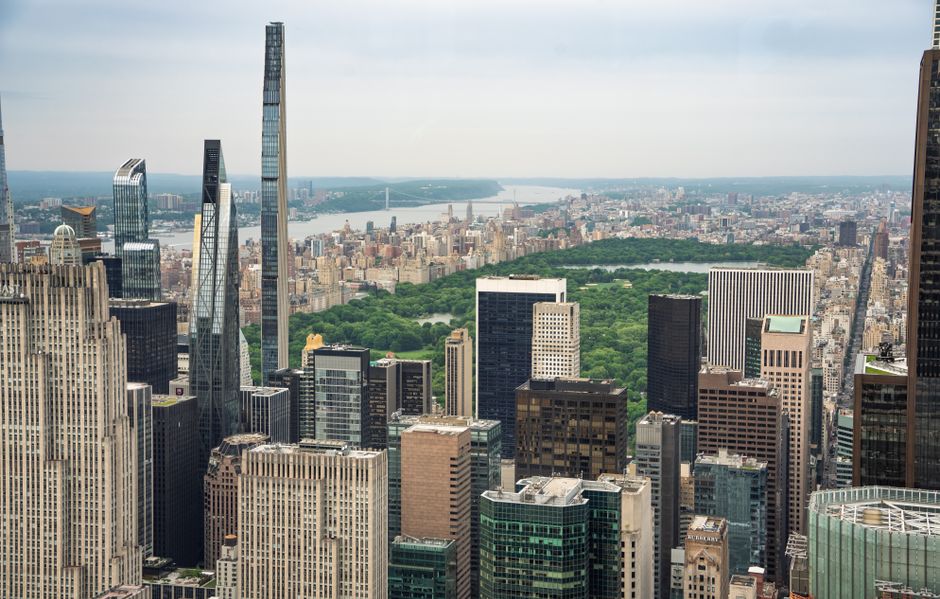
New York's hospitality and food sectors are experiencing a unexpected surge in demand that's reshaping the competitive landscape. International arrivals to the city surged 34 percent in the first half of 2026 compared to the same period last year, according to NYC & Company data, creating a golden window for establishments positioned to capture high-spending visitors and locals with disposable income.
The trend is most visible along the traditional tourist corridors—Times Square and Fifth Avenue continue to draw crowds—but the real opportunity is emerging in secondary neighborhoods where entrepreneurs are capitalizing on pent-up demand for authentic dining experiences. In Williamsburg, Brooklyn, several mid-range restaurants have quietly raised menu prices between 12 and 18 percent over the past six months, citing ingredient costs and labor demand, yet report reservation books extending six to eight weeks out. Similar patterns are visible in the East Village and along the Brooklyn waterfront near Jane Carousel.
Hotels are benefiting most directly. Midtown Manhattan's average daily room rate has climbed to $287—up from $242 in early 2025—while occupancy rates hover near 87 percent, approaching pre-pandemic highs. Even outer-borough properties in Long Island City and Astoria are seeing improved performance, with boutique operators reporting stronger margins than the past three years combined.
But not all players are winning equally. Large chain operators managing multiple properties report slower adaptation to pricing optimization, while independent restaurant owners and small hotel groups have moved faster to adjust staffing, menus, and pricing strategies. One Queens-based hospitality consultant noted that establishments with flexible supply chains and in-house management have outperformed those reliant on corporate procurement systems.
The surge has created new challenges. Labor shortages in back-of-house positions remain acute despite wage increases, with experienced line cooks and sous chefs commanding $65,000 to $85,000 annually. Front-of-house staff are similarly tight, particularly in neighborhoods like SoHo and Tribeca where competition for talent is most intense.
For restaurateurs and hoteliers willing to invest in quality and customer experience, the current moment represents an unusually favorable market. The question now is whether the demand sustains beyond summer travel season or whether rising operational costs will compress margins before fall arrives.
This article was compiled by AI from the sources linked above and screened before publishing. See our editorial standards.