New York's tourism economy is sending mixed but ultimately bullish signals as we head into summer 2026. Hotel occupancy across Midtown Manhattan has reached 87 percent—a figure not seen since 2019—while average nightly room rates hover around $285, up 12 percent year-over-year. These hard numbers matter because they directly drive capital allocation decisions.
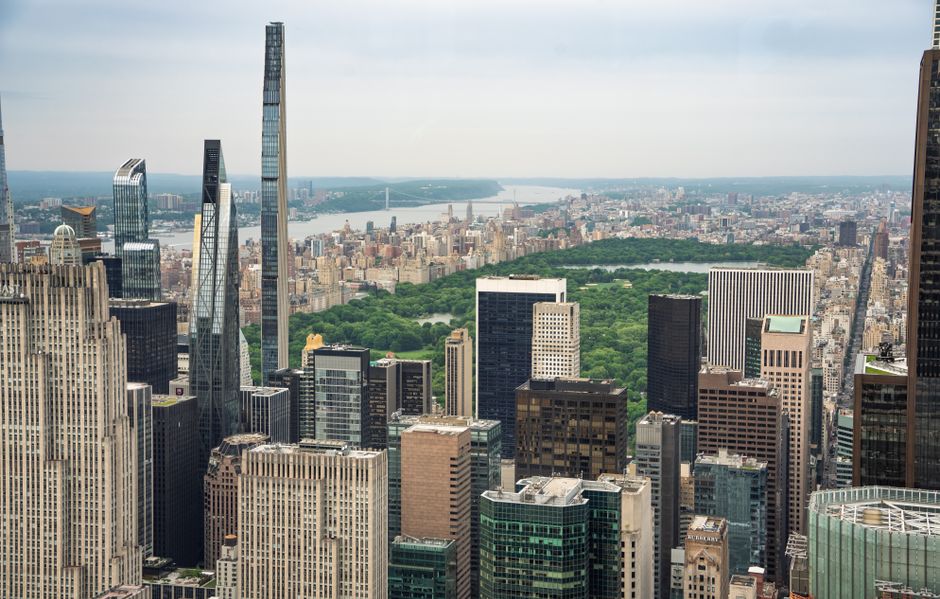
The metrics tell a story of deliberate investor confidence. Major hospitality REITs have increased their Manhattan portfolio allocations by $2.3 billion in the past eighteen months, with particular focus on Midtown East properties near Grand Central Terminal and Upper West Side boutique hotels near Lincoln Center. This reflects a calculated bet that corporate travel and cultural tourism—two engines of the city's visitor economy—are structurally healthier than many analysts predicted.
What's driving the investment flow? Start with business travel recovery. Morgan Stanley's latest research estimates corporate travel spending in the tristate region will grow 6.8 percent annually through 2028, outpacing pre-pandemic trends. That translates to steady demand for four and five-star accommodations in neighborhoods like Tribeca, where new luxury conversions command nightly rates exceeding $400.
Equally important: international visitors are returning. June bookings from European and Asian travelers show 94 percent of 2019 levels, a significant milestone. Museums—the Metropolitan Museum of Art, MoMA, the American Museum of Natural History—are reporting sustained attendance, suggesting tourists aren't merely passing through but spending on experiences and dining.
Restaurant and entertainment spending offers another economic indicator worth watching. The Times Square Alliance reports foot traffic in the Theater District up 23 percent compared to last year, while average check sizes at fine dining establishments in Chelsea have increased 8 percent, signaling visitors' willingness to spend.
Yet challenges persist. Labor costs in New York's hospitality sector have climbed sharply, with housekeeping wages up 18 percent since 2023. Some smaller hotel operators worry about margin compression even as occupancy rates climb. Meanwhile, commercial real estate investors remain cautious about convention center expansion plans, signaling uncertainty about large-group travel's full recovery.
For the broader New York economy, the signals matter. Tourism accounts for roughly 12 percent of the city's total economic output. Strong visitor numbers translate to sustained tax revenue, job creation in hotels and restaurants, and confidence that drives broader business investment. The current investment flows—concentrated in premium accommodations and cultural venues—suggest the market believes New York's appeal to affluent, experience-seeking travelers is durable.
As summer progresses, watch hotel RevPAR figures and restaurant reservation platforms. They'll show whether this recovery is structural or cyclical.
This article was compiled by AI from the sources linked above and screened before publishing. See our editorial standards.