When Maria Chen purchased a 1970s office building on Park Avenue South in 2023, skeptics questioned her timing. The commercial real estate market was in flux, remote work had gutted demand for traditional cubicle farms, and office vacancy rates in Midtown hovered near 18 percent. But Chen, founder of Meridian Adaptive Spaces, saw opportunity where others saw risk.
Today, her $85 million conversion project at 345 Park Avenue South stands as a case study in pragmatic reimagining. Rather than fight the tide of hybrid work, Chen designed flexible floor plates that accommodate everything from co-working startups and podcast studios to health clinics and event venues. The building, which reopened in phases through early 2026, now operates at 92 percent occupancy—a striking contrast to the surrounding market where brokers are struggling to fill space.
"The old model assumed everyone came to the same place at the same time," Chen explained in recent remarks to the Real Estate Board of New York. "We built for Tuesday, Wednesday, and Thursday, when people actually want to collaborate."
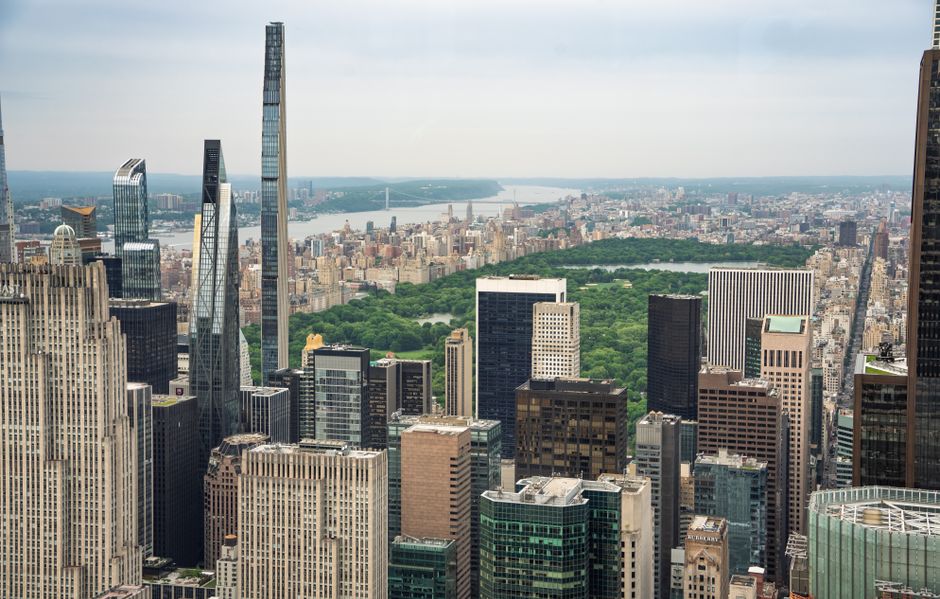
Her success reflects a broader shift reshaping Manhattan's commercial landscape. Average office rents in Midtown have declined roughly 8 percent year-over-year, while conversion projects—particularly in secondary corridors like the Flatiron District and lower Park Avenue—are attracting institutional investment. According to CBRE's latest market report, adaptive reuse accounts for 23 percent of new commercial leasing activity in New York, up from just 6 percent in 2022.
Meridian's approach combines tactical retrofitting with what Chen calls "programmatic diversity." Her team works closely with neighborhood organizations, corporate tenants, and municipal agencies to ensure projects serve multiple constituencies. At 345 Park Avenue South, ground-floor retail now houses a nonprofit focused on job training, while upper floors lease to everyone from fintech firms seeking smaller footprints to nonprofit organizations priced out of prime commercial space.
The formula is proving replicable. Meridian has secured development rights on three additional buildings in Chelsea and the Lower East Side, with plans to announce partnerships by year-end. Industry watchers note that Chen's success has prompted other developers to reconsider their conversion pipelines, signaling a potential acceleration in how quickly Manhattan's aging office inventory might be reclaimed.
For a city grappling with post-pandemic economic uncertainty, Chen's projects demonstrate that adaptive thinking—not defensive retreat—may offer the clearest path forward for commercial real estate.
This article was compiled by AI from the sources linked above and screened before publishing. See our editorial standards.