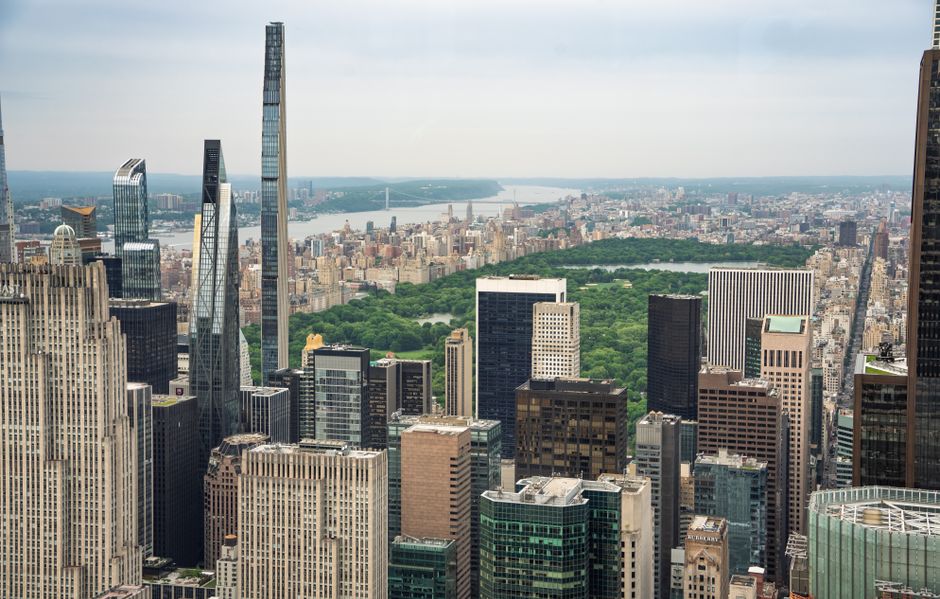
New York's tourism recovery has shifted into a higher gear than most industry observers anticipated. Through the first half of 2026, the city has welcomed 32.4 million visitors, according to preliminary data from NYC & Company, putting the annual pace on track to exceed pre-pandemic peaks by roughly 8 percent. For business operators across the city's hospitality ecosystem, the surge represents a rare convergence of pent-up leisure demand, stronger international currency conversion rates favoring overseas travelers, and a calendar packed with marquee events.
The beneficiaries are most visible in Manhattan's core districts. Hotels in Midtown and Lower Manhattan are operating at occupancy rates above 87 percent, with average daily rates climbing to $289—a 12 percent year-over-year increase, according to STR, the hospitality analytics firm. But it is the secondary players—boutique operators, independent restaurants, and neighborhood attractions—who are perhaps most visibly capturing share from this expanded pie.
Along the High Line in Chelsea and West Village, where foot traffic has become nearly as dense as Broadway theaters, restaurant reservation platforms are reporting 23-minute average wait times during peak hours. Williamsburg in Brooklyn, long a weekend destination for domestic visitors, is now drawing significant international traffic, with hotels on Bedford Avenue and North 6th Street reporting occupancy rates above 80 percent. One boutique property owner in the neighborhood said her June bookings came almost entirely from European and Australian guests.
Museum attendance has similarly soared. The Metropolitan Museum of Art reported a 19 percent increase in visitor volume for the spring season compared to 2025, while smaller institutions like the Tenement Museum on the Lower East Side have extended hours to accommodate demand that has strained ticket availability.
Not every operator is equally positioned to capture the opportunity. Larger hotel chains with established digital marketing reach and corporate partnerships have secured disproportionate share of group bookings and convention traffic. Independent restaurants without reservation platforms or strong online presence report uneven demand. Meanwhile, cultural attractions in outer boroughs—including the Queens Museum and Socrates Sculpture Park in Long Island City—have seen modest upticks but remain significantly underutilized compared to their Manhattan counterparts.
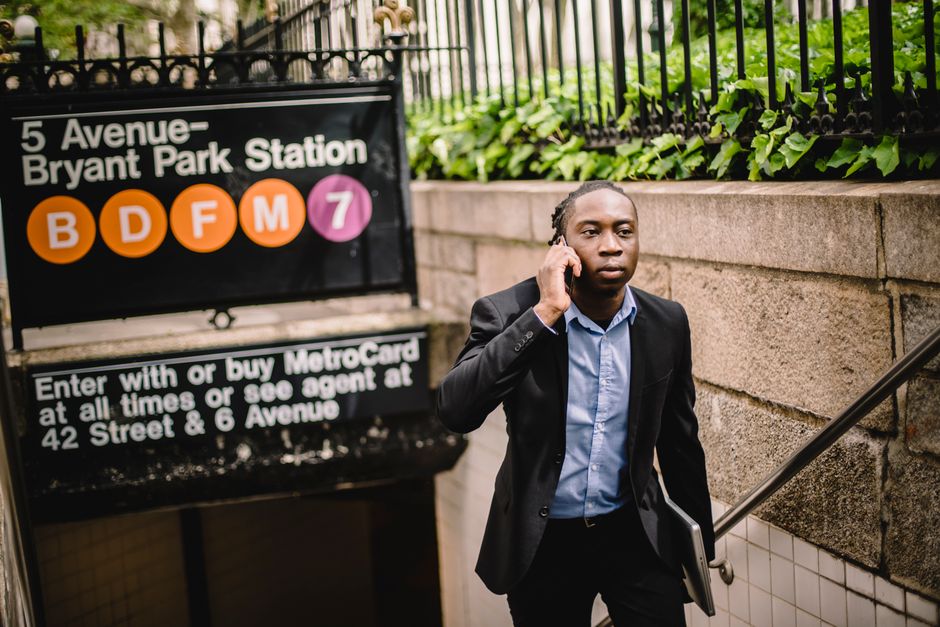
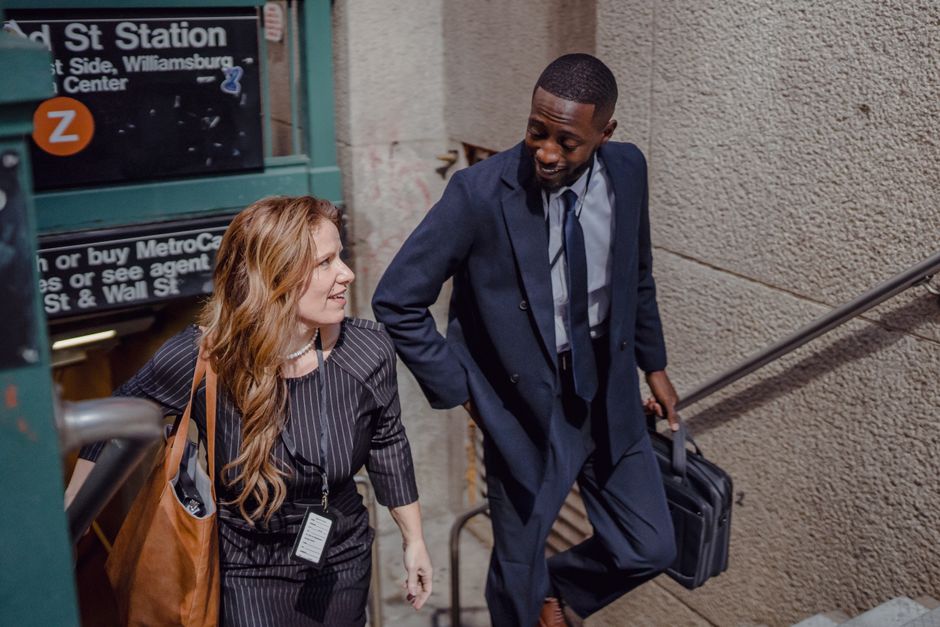
Transportation, too, is becoming a constraint. Subway ridership in tourist corridors has strained capacity, while rideshare demand has pushed average fares up 18 percent during peak tourism hours. This may inadvertently advantage neighborhoods within walking distance of major attractions, potentially reshaping where visitor spending concentrates over the medium term.
The question now is whether current momentum can sustain through autumn, and whether smaller operators can innovate quickly enough to secure their share of what may prove the strongest visitor economy New York has experienced in a decade.
This article was compiled by AI from the sources linked above and screened before publishing. See our editorial standards.