Walk into the gleaming offices on Eldridge Street, and you'd be forgiven for thinking you've stepped into the headquarters of an established tech giant. But five years ago, this corner of the Lower East Side was home to something far humbler: a startup operating out of a 400-square-foot basement in Williamsburg, fueled by cold brew and conviction.
Today, that scrappy operation has blossomed into one of the city's most closely watched climate technology companies, recently closing a Series B round that valued the firm at $50 million. The company's trajectory reflects a broader shift in New York's startup ecosystem, where sustainability-focused founders are now commanding serious investor attention alongside traditional software and fintech players.
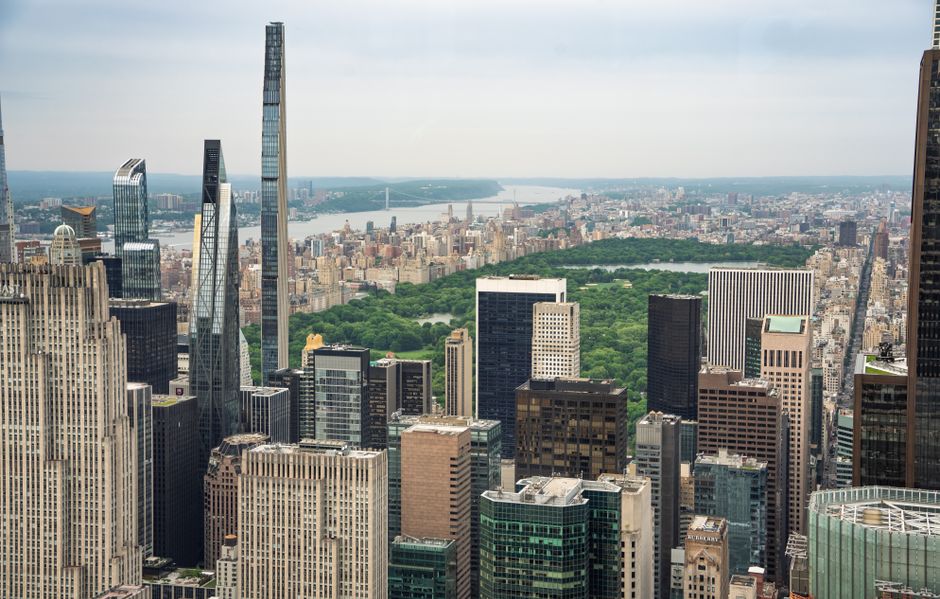
The Lower East Side location is no accident. The neighborhood has emerged as an unexpected hub for climate innovation, with nearly a dozen green-tech firms now based within a few blocks of Houston Street. Rents here—averaging $42 per square foot annually for office space—remain considerably cheaper than Midtown Manhattan's $65-plus, allowing early-stage founders to stretch their seed funding further while maintaining Manhattan's cultural and networking advantages.
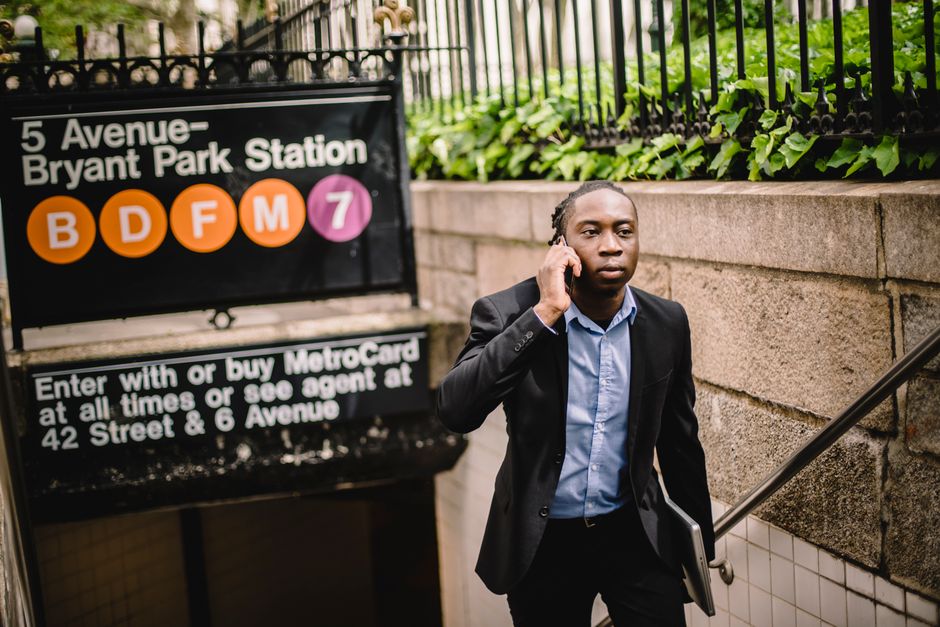
What makes this particular founder's story compelling is the path taken to reach this point. Rather than following the well-worn track of elite business school to venture capital darling, this entrepreneur bootstrapped the initial product while working a day job, testing ideas with small commercial customers across the city before raising institutional capital. That scrappy methodology persists today, evident in how the team approaches problems—less Silicon Valley disruption rhetoric, more pragmatic engineering focused on measurable environmental impact.
The startup's timing aligns with broader momentum in the city's innovation ecosystem. New York's startup funding reached $27.8 billion in 2025, with climate and sustainability attracting roughly 12 percent of that total—a threefold increase from five years prior. Accelerators like Greentech.NYC, housed in a renovated warehouse in Long Island City, have become increasingly sophisticated at identifying founders addressing real infrastructure challenges.
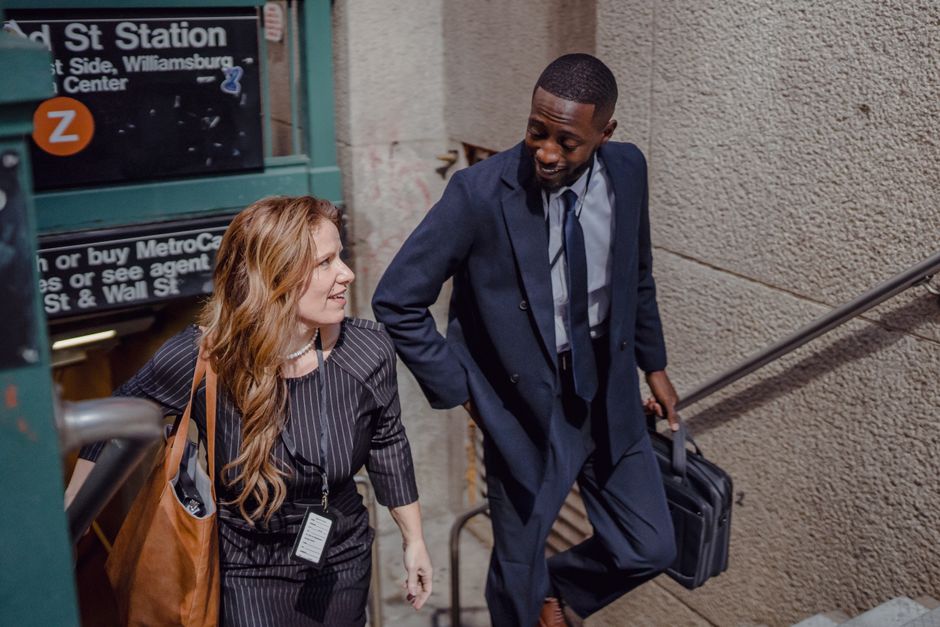
With the new capital, the team plans to expand from its current thirty employees to seventy-five by year-end, likely adding more Manhattan office space. They're also launching a pilot program with the Department of Environmental Protection, positioning the startup at the intersection of municipal infrastructure and private sector innovation—precisely where some of the most interesting problems in urban sustainability actually exist.
The Lower East Side location may evolve as the company scales, but the founder's roots in New York's scrappy entrepreneurial culture appear to run deep. In a city that built its fortune on commerce and reinvention, this particular story—basement to Series B to meaningful impact—feels distinctly New York.
This article was compiled by AI from the sources linked above and screened before publishing. See our editorial standards.