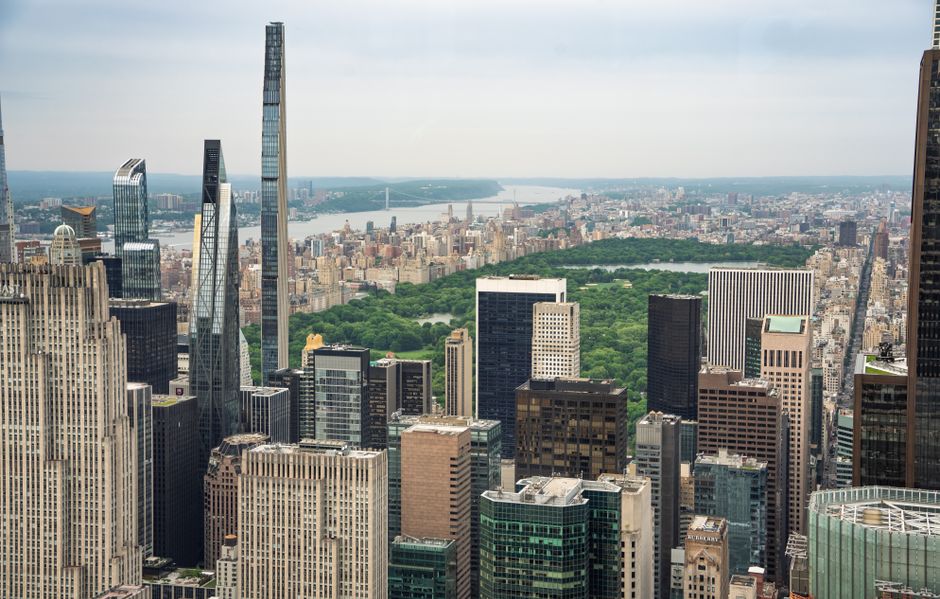
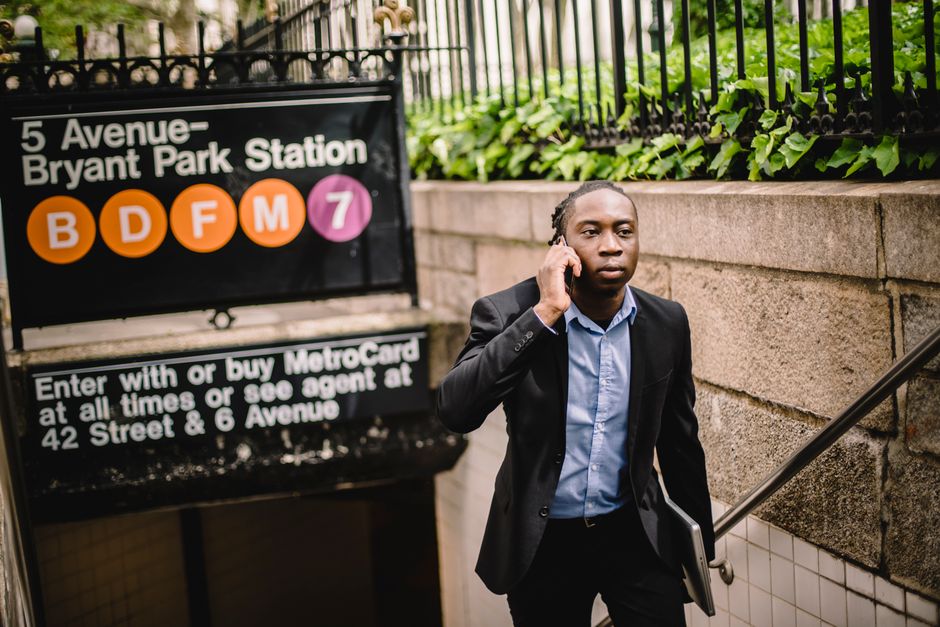
Walk into any coffee shop along Park Avenue South or grab lunch in the Flatiron District, and you'll hear it: anxiety about rising costs paired with confusion about why some sectors are booming while others languish. The disconnect reflects a broader challenge facing New York's business community—reading the economic signals that actually matter.
The Federal Reserve's recent rate hold at 4.5 percent has had outsized impact on Manhattan's real estate market, where median rental prices in midtown have climbed above $5,000 monthly for a two-bedroom apartment. This matters because it signals where capital is flowing. When interest rates remain elevated, investors seeking returns often pivot toward commercial real estate and equities rather than bonds, shifting capital patterns that ripple through neighborhoods from Brooklyn's Williamsburg to the Upper West Side.
Corporate investment flows tell an equally important story. Tech companies that fueled Midtown's transformation over the past decade are recalibrating hiring plans based on AI productivity gains—a shift reflected in reduced office lease absorption rates. Meanwhile, institutional investors are watching Fed inflation data with surgical precision. Core inflation running at 3.8 percent above the central bank's 2 percent target means purchasing power erosion that directly hits household budgets.
For everyday New Yorkers, these abstract economic indicators translate into concrete pressure points. Grocery prices at bodegas across Manhattan remain elevated despite moderating inflation. Subway riders face another proposed fare increase. Meanwhile, young professionals considering whether to stay in the city or decamp to secondary markets like Austin or Miami are factoring in wage growth that hasn't kept pace with cost-of-living increases—a classic indicator that capital and talent may soon be flowing outward.
The nuance worth understanding: investment flows follow Fed policy expectations more than current conditions. When institutional money managers at firms lining the canyons of Lower Manhattan assess economic data, they're essentially betting on future rate paths. A surprise inflation uptick could trigger rapid capital reallocation, potentially strengthening the dollar and making imports cheaper—ultimately affecting everything from restaurant prices in SoHo to clothing costs in Herald Square.
The investment community's current positioning suggests cautious optimism tempered by uncertainty. That translates into selective capital deployment rather than broad enthusiasm. For New York residents, that means navigating an economy growing at roughly 2.5 percent—solid but uninspiring—where the main narrative isn't expansion but reallocation. Understanding which way capital is moving remains the most reliable compass for navigating what comes next.
This article was compiled by AI from the sources linked above and screened before publishing. See our editorial standards.