What New York Renters and Residents Need to Know About the Office Market Shift
The city's transformation from work-from-home fallout is reshaping rents, retail, and your neighborhood in ways that directly affect your wallet.
The city's transformation from work-from-home fallout is reshaping rents, retail, and your neighborhood in ways that directly affect your wallet.
New York's office market is in the midst of a historic recalibration, and if you rent an apartment, grab coffee in Midtown, or rely on neighborhood shops, the ripple effects are hitting closer to home than you might realize.
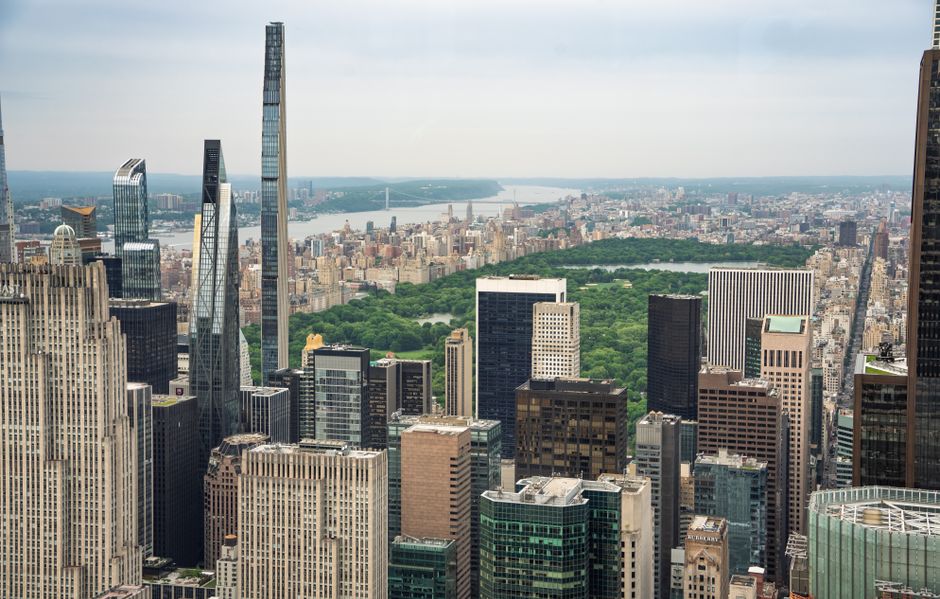
For the first time in decades, Manhattan's office vacancy rate has climbed above 20%, concentrated heavily in Midtown South and along the Financial District's aging towers. This matters to you because commercial landlords facing declining revenues are increasingly converting underutilized office buildings into residential units—a trend accelerating around Hudson Yards, Long Island City, and parts of Williamsburg. While new housing stock sounds beneficial, conversions typically target luxury apartments, potentially limiting affordable options and reshaping neighborhood character.
The commercial downturn is also hollowing out street-level retail. Coffee chains, lunch spots, and drugstores that depended on office workers have shuttered by the hundreds. A report from the Partnership for New York City found that foot traffic in Midtown during weekday business hours remains 15-20% below 2019 levels. Your favorite deli on Park Avenue South might struggle; your local bodega near Grand Central faces steeper competition. Property owners are slashing rents for ground-floor retail, but only deep-pocketed chains and tech startups can typically absorb the risk of a location pivot.
For apartment hunters, the news is mixed. Office-heavy neighborhoods like the Financial District and Midtown East have seen residential rents soften slightly—a rare silver lining. However, conversion projects are expensive, and most new units command premium pricing. Meanwhile, residential neighborhoods absorbing displaced workers and freelancers—particularly Park Slope, Astoria, and areas along the L train corridor—are experiencing steady rent pressure as demand concentrates in genuinely livable communities.
Property tax implications loom too. The city relies heavily on commercial property tax revenue. Declining office valuations mean fewer tax dollars for schools, transit, and sanitation. Expect discussions about shifting tax burdens or reducing city services in your neighborhood.
The silver lining: some landlords are experimenting with mixed-use spaces, adaptive reuse for tech offices, and collaborative workspaces that serve smaller companies and freelancers. Neighborhoods like Brooklyn's DUMBO and parts of Long Island City are carving new identities. Yet the transition is uneven and unpredictable.
For New Yorkers, the rule is simple: watch your neighborhood's commercial vacancy rates. They're an early warning system for retail closures, rising residential rents, and shifting neighborhood identity. The office market's upheaval is fundamentally reshaping where and how we live in this city.
This article was compiled by AI from the sources linked above and screened before publishing. See our editorial standards.
How does this story make you feel?
Spread the word
About this article
Published by The Daily New York
Daily brief
Free, in your inbox before 7am. Weekdays.
More in Business