Manhattan's Shifting Investment Landscape: What Businesses Must Know Right Now
As commercial real estate cools and consumer spending patterns shift, New York's business leaders face a critical decision point in the second half of 2026.
As commercial real estate cools and consumer spending patterns shift, New York's business leaders face a critical decision point in the second half of 2026.
The energy in the Flatiron District coffee shops and co-working spaces along Broadway tells a story that spreadsheets confirm: New York's business environment is recalibrating. With inflation moderating but interest rates remaining elevated, the mid-year landscape presents both risks and opportunities that demand immediate strategic attention.
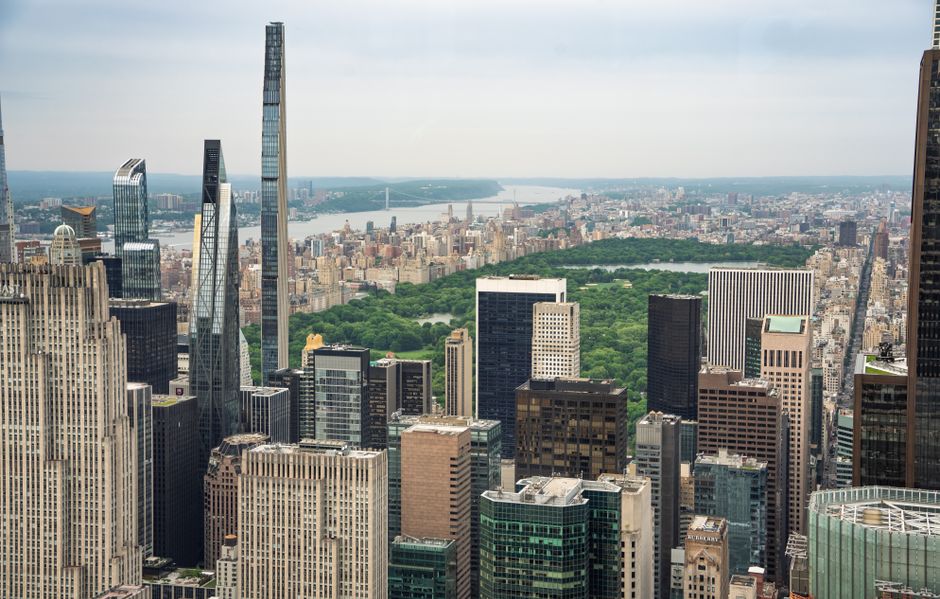
Commercial office vacancy rates in Midtown Manhattan have climbed to levels not seen since the pandemic recovery, hovering near 12 percent. Meanwhile, landlords along Park Avenue South and in Hudson Yards are adjusting asking prices downward—a significant shift from the bullish tone of 2023 and early 2024. For businesses considering expansion or relocation, this creates leverage, but the underlying drivers warrant caution.
The financial services sector, New York's economic backbone, faces margin compression. Rising compliance costs and regulatory pressures are forcing firms to reassess their operational footprints. Small and mid-sized investment firms clustering around the Financial District and Lower Manhattan are particularly exposed, according to data from the Partnership for New York City, which tracks downtown business trends.
Consumer spending in the outer boroughs tells a different story. Retail activity in neighborhoods like Astoria, Queens and Park Slope, Brooklyn remains resilient, with foot traffic up 8-10 percent year-over-year despite higher rents. This suggests a redistribution of purchasing power away from Manhattan's premium zones—a trend that savvy retailers are already exploiting.
Real wage growth, adjusted for the region's cost of living, remains essentially flat. Median rent in Manhattan now exceeds $4,500 monthly for a one-bedroom, while outer-borough prices climb steadily. This squeeze is reshaping who can afford to work in the city, creating both talent acquisition challenges and opportunities for companies willing to embrace remote-first models.
The venture capital ecosystem shows complexity. Early-stage funding has cooled from pandemic peaks, but late-stage deals continue, suggesting investor focus is narrowing to proven business models. Tech companies with Brooklyn offices and headquarters in areas like Industry City report cautious hiring, though biotech and climate tech remain relatively buoyant sectors.
For businesses operating in New York right now, three imperatives emerge: stress-test your real estate commitments, prepare for tighter access to capital, and recognize that consumer behavior is fragmenting geographically. The days of one-size-fits-all Manhattan strategies are fading. Companies that adapt to this disaggregated landscape—adjusting pricing, location decisions, and workforce strategies accordingly—will find advantage in what remains a fundamentally dynamic market.
This article was compiled by AI from the sources linked above and screened before publishing. See our editorial standards.
How does this story make you feel?
Spread the word
About this article
Published by The Daily New York
Daily brief
Free, in your inbox before 7am. Weekdays.
More in Business