What Office Vacancy Rates Tell Us About Capital Moving Through New York
Understanding the commercial property market's signals reveals where big money is flowing—and where it's retreating.
Understanding the commercial property market's signals reveals where big money is flowing—and where it's retreating.
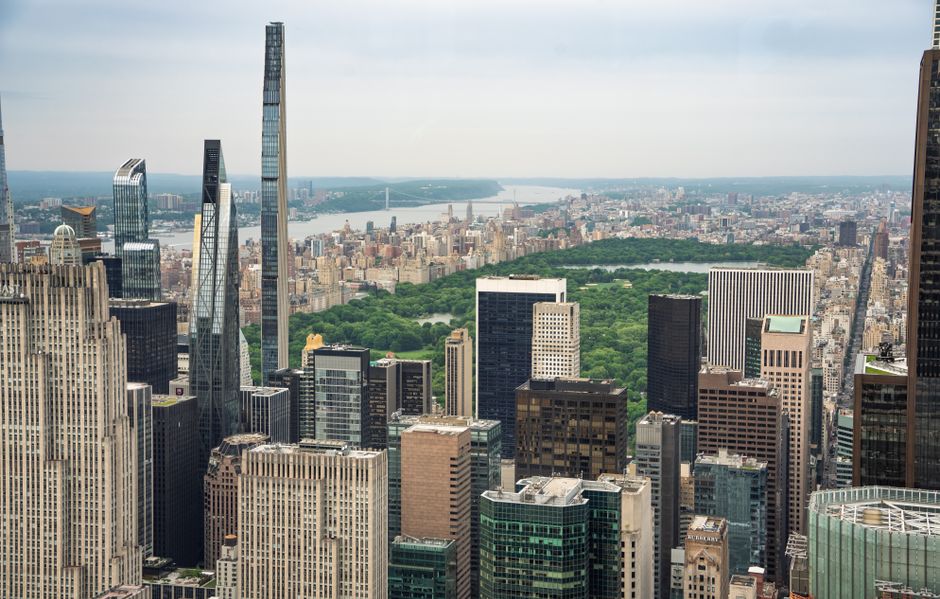
New York's office market is sending conflicting signals that baffle even seasoned investors. Manhattan's overall vacancy rate has climbed to roughly 18 percent, the highest in three decades, yet institutional capital continues pouring into select submarkets. The divergence offers a masterclass in how to read economic indicators hiding in plain sight across the city's five boroughs.
The headline number masks a story of surgical capital allocation. Midtown South—the neighborhood below 34th Street stretching from Fifth Avenue to the Hudson—has seen renewed activity from tech and media firms desperate for prestigious addresses. Average asking rents there hover around $85 per square foot annually, up from $78 just eighteen months ago. Meanwhile, traditional Midtown office space, particularly along Park Avenue above 42nd Street, languishes with vacancy pushing 22 percent as companies downsize or relocate remotely.
This divergence reflects a fundamental shift in how capital flows through commercial real estate. Investment groups are betting heavily on neighborhoods where younger workers want to be, not where legacy corporations have always stationed their headquarters. Hudson Yards, despite its eye-watering rents starting at $95 per square foot, continues attracting capital because it signals forward momentum rather than decline.
The data tells us something crucial: institutional investors are reading economic headwinds earlier than headlines suggest. When vacancy rates spike in one pocket of the market while rents rise in another, it signals confidence in specific sectors and locations, not blanket pessimism. A fund manager buying distressed office assets in Midtown or leasing aggressively in Flatiron isn't gambling—they're hedging bets on where talent and revenue will concentrate post-2026.
Brooklyn's commercial corridors around Brooklyn Heights and DUMBO tell another story. Asking rents climbed to $65 per square foot as smaller firms flee Manhattan's premium pricing, yet absorption rates remain modest. That gap—rising rents with stagnant demand—suggests speculators testing prices rather than organic tenant growth.
For New York's economy, the pattern matters more than individual figures. Capital fleeing traditional office corridors while concentrating in tech hubs and mixed-use neighborhoods indicates a structural reordering of where business actually happens. The market is voting with dollars, and those votes are reshaping the city's commercial landscape in real time. Investors watching these tea leaves are positioning themselves for a Manhattan that looks fundamentally different in five years than it did five years ago.
This article was compiled by AI from the sources linked above and screened before publishing. See our editorial standards.
How does this story make you feel?
Spread the word
About this article
Published by The Daily New York
Daily brief
Free, in your inbox before 7am. Weekdays.
More in Business