New York's visitor economy is surging, but the composition of that surge is reshaping how hotels, restaurants, and attractions must operate. Through the first half of 2026, international visitors have rebounded to approximately 110 percent of pre-pandemic levels, while domestic tourism remains stubbornly at 92 percent—a divergence that's forcing the city's $74 billion tourism industry to recalibrate on the fly.
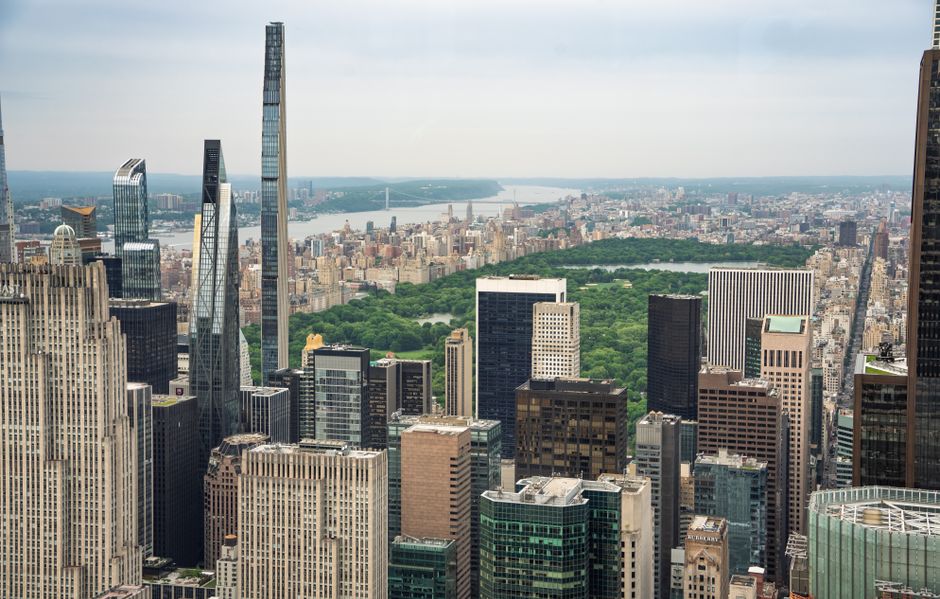
The shift is most visible in Midtown and Lower Manhattan's premium segments. Five-star hotels along Central Park South and near the Financial District are reporting 78 percent occupancy rates, with average daily rates climbing to $385—up 12 percent year-over-year. But three-star properties in Murray Hill and Astoria are struggling at 61 percent occupancy, suggesting leisure travelers and mid-market visitors are still hesitant about New York pricing.
European and Asian visitors now represent 64 percent of Manhattan's international arrivals, a significant shift from the pre-2024 balance. Latin American tourism, traditionally vital to Times Square retail and Broadway, has softened due to currency headwinds and broader geopolitical volatility. This matters enormously for attractions and restaurants accustomed to specific spending patterns: luxury boutiques on Fifth Avenue and Madison Avenue are thriving, while the casual dining corridor around 42nd Street is seeing foot traffic decline.
The hospitality workforce faces acute challenges. Hotels citywide report a 23 percent higher turnover rate compared to 2023, with staff citing burnout from understaffing and wage compression. The Hotel Trades Council is pushing for wage increases that would raise starting salaries from $33,000 to $39,000 annually—a cost pressure that will ripple through operating budgets as margins tighten.
Business leaders should watch three indicators closely. First, the dollar's strength continues benefiting overseas visitors but may dampen American travel if sustained. Second, flight capacity into New York's three major airports has grown 8 percent, but leisure-focused carriers are adding capacity slower than premium carriers—expect pricing power to shift upmarket. Third, attractions and dining venues heavily dependent on American school groups and budget travelers should prepare for a tougher summer than anticipated.
The city's tourism infrastructure—from taxi medallion values to Broadway seat pricing—was engineered for a different mix of visitors. Adapting successfully means understanding not just volume, but composition. The businesses thriving right now are those targeting affluent international travelers. Everyone else is recalibrating.
This article was compiled by AI from the sources linked above and screened before publishing. See our editorial standards.