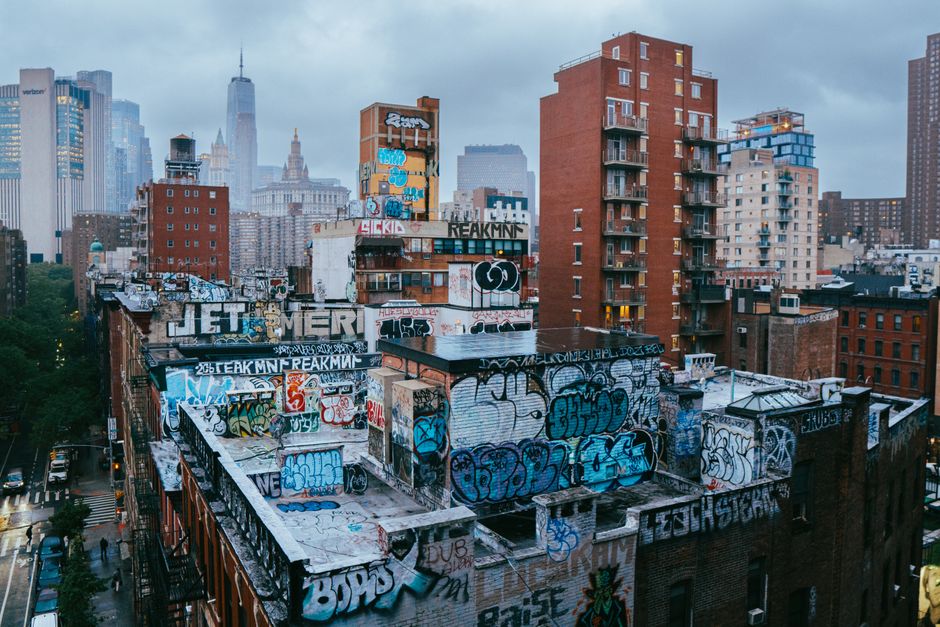
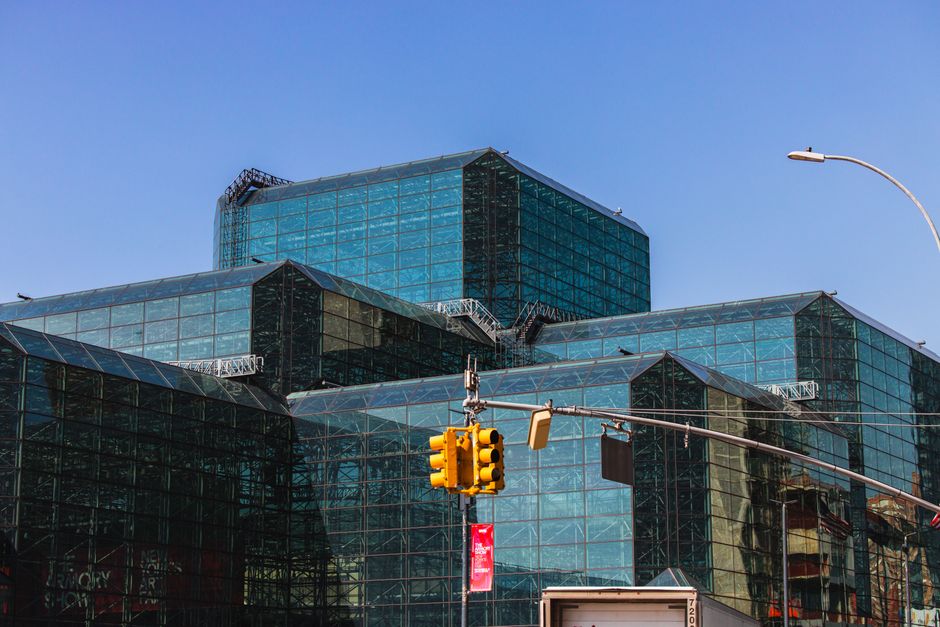
How New York's Living History Is Reshaping Who We Are as Artists and Creators
From the Lower East Side to Harlem, a new generation is mining the city's cultural archives to build a creative identity rooted in place rather than nostalgia.
From the Lower East Side to Harlem, a new generation is mining the city's cultural archives to build a creative identity rooted in place rather than nostalgia.
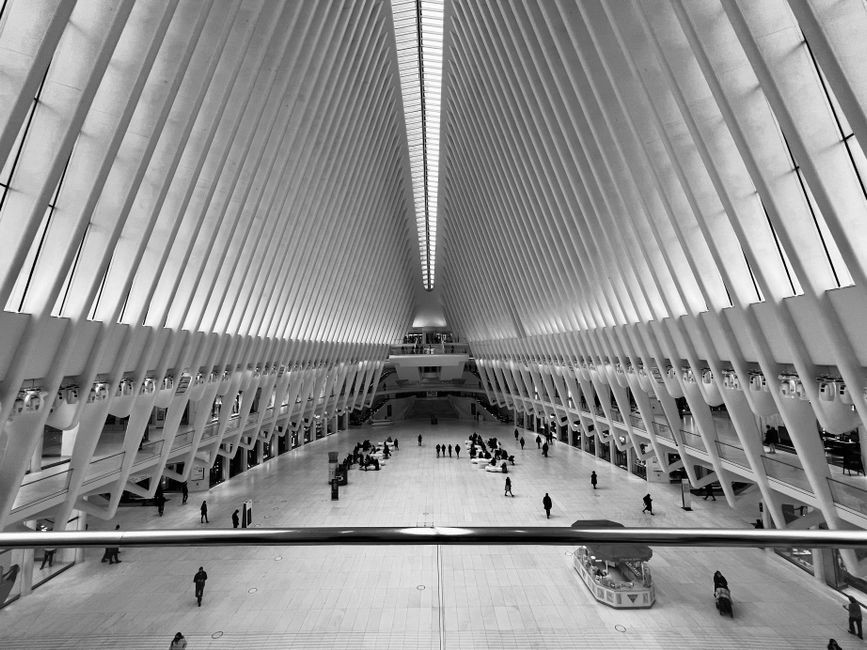
Walk into the Tenement Museum on Orchard Street on any given Saturday and you'll find something peculiar: more young artists sketching in the corridors than tourists. They're not there for the gift shop. They're there because this five-story relic of 1863 has become a de facto studio, a place where the texture of immigrant New York—the creaky floors, the narrow windows, the layers of wallpaper—informs their work in ways no art school can replicate.
This is the new math of New York creativity: heritage sites aren't museums anymore. They're raw material. And that shift is fundamentally redefining what it means to make culture in a city that has spent decades chasing its own mythology.
The shift is measurable. The Lower East Side Business Improvement District reported a 34 percent increase in artist studio applications in the past eighteen months, many citing proximity to historical neighborhoods as a primary factor. Meanwhile, institutions like the Schomburg Center for Research in Black Culture in Harlem have expanded their residency programs by 40 percent since 2024, with waiting lists now extending through 2027.
Unlike previous generations who fled New York's dense, expensive core to mythologize it from elsewhere, today's emerging filmmakers, musicians, and visual artists are choosing to stay embedded in the actual geography of cultural production. They're working in Washington Heights because it's where Dominican New York happened—and continues to happen. They're setting up in Sunset Park because the neighborhood's architectural vocabulary and immigrant networks offer something algorithmic platforms cannot.
The difference is philosophical. When the Guggenheim reopened its vault of 1980s New York photography last spring, the exhibition's real impact wasn't nostalgia among older patrons. It was validation for younger creators that hyperlocal, deeply researched work about their own neighborhoods had institutional weight.
Queens College's new Center for New York City Cultural Studies, which launched with a $2.3 million endowment in March, is explicitly framed as a resource for artists wanting to deepen their understanding of the city's actual texture rather than its brand. Director appointments focus equally on scholarship and active creative practice.
The pattern is clear: New York's creative identity isn't being inherited from a fixed past anymore. It's being actively constructed by people who understand that the same streets where Basquiat tagged walls and where ballroom culture exploded are still alive, still producing, still demanding engagement with real history rather than curated memory.
That's not nostalgia. That's currency.
This article was compiled by AI from the sources linked above and screened before publishing. See our editorial standards.
How does this story make you feel?
Spread the word
About this article
Published by The Daily New York
Daily brief
Free, in your inbox before 7am. Weekdays.
More in culture