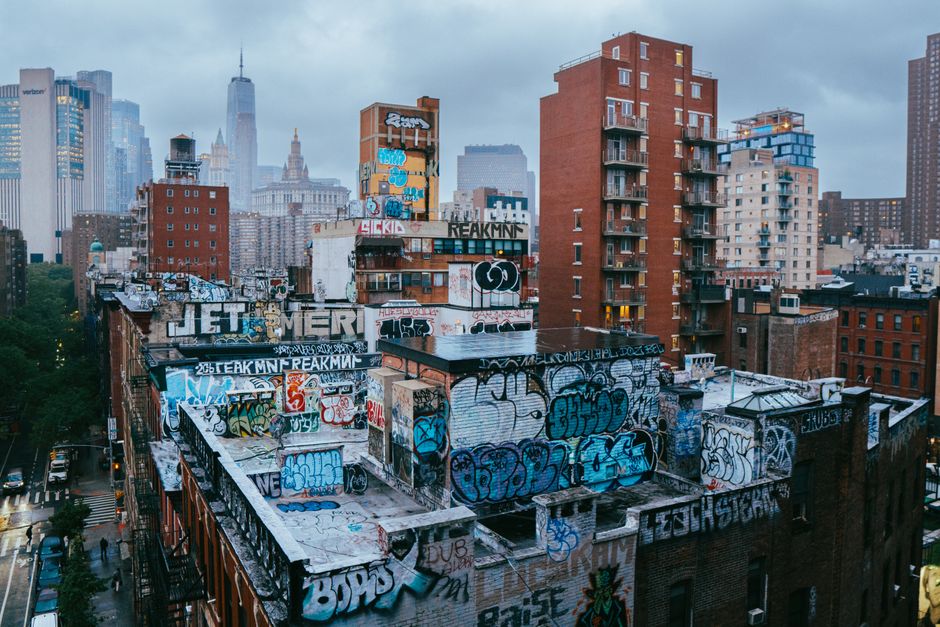
Walk down Melrose Avenue in the Bronx today and you'll see something that seemed impossible a decade ago: city-sanctioned murals alongside carefully maintained storefronts, part of a deliberate cultural infrastructure that didn't exist before. This transformation reflects a broader shift in how New York treats street art—no longer something to erase, but something to cultivate, protect, and celebrate.
The change didn't come from City Hall. It came from the streets themselves. Collective organizations like Meres One's team in the Bronx and the Jamaica Queens-based Street Art for All have spent years building credibility within their neighborhoods, establishing community consent protocols before any spray paint hits a wall. These grassroots networks now influence municipal policy in ways that seemed radical just five years ago.
"The movement proved that street art wasn't vandalism—it was placemaking," explains the philosophy driving initiatives like the Bushwick Collective's expansion, which has morphed from artist-run gallery space into a formal neighborhood design consultant. The neighborhood's warehouse conversions and storefront redesigns increasingly incorporate street art as a foundational design element, with property values in the area rising 34 percent since 2020, according to commercial real estate data.
This economic reality has created new tensions. Williamsburg's North 6th Street, once synonymous with gritty DIY culture, now hosts commissioned murals starting at $5,000 for small residential walls. Young artists face gatekeeping dynamics they didn't anticipate: the democratization of street art has also professionalized it, sometimes pricing out the very communities that built the movement.
Yet the distributed nature of the movement—operating through dozens of independent collectives rather than a single institution—has prevented total co-optation. Washington Heights muralists maintain separate networks from Lower East Side crews, each responding to hyperlocal community needs. The Inwood Art Program focuses on Dominican and Dominican-American narratives; East Harlem's street art emphasizes Puerto Rican cultural memory.
What binds these movements together is organizational sophistication that older generations of street artists lacked. Youth councils, community benefit agreements, and direct relationships with city council offices have become standard. The Northeast Queens Street Art Initiative even negotiates with property owners for long-term mural permanence—contracts that protect artwork from arbitrary removal.
As New York continues wrestling with gentrification and cultural displacement, these street art networks represent something rare: a creative movement that has maintained community control while achieving mainstream legitimacy. The question now isn't whether street art belongs in the city—it's who gets to decide what stories the walls tell.
This article was compiled by AI from the sources linked above and screened before publishing. See our editorial standards.