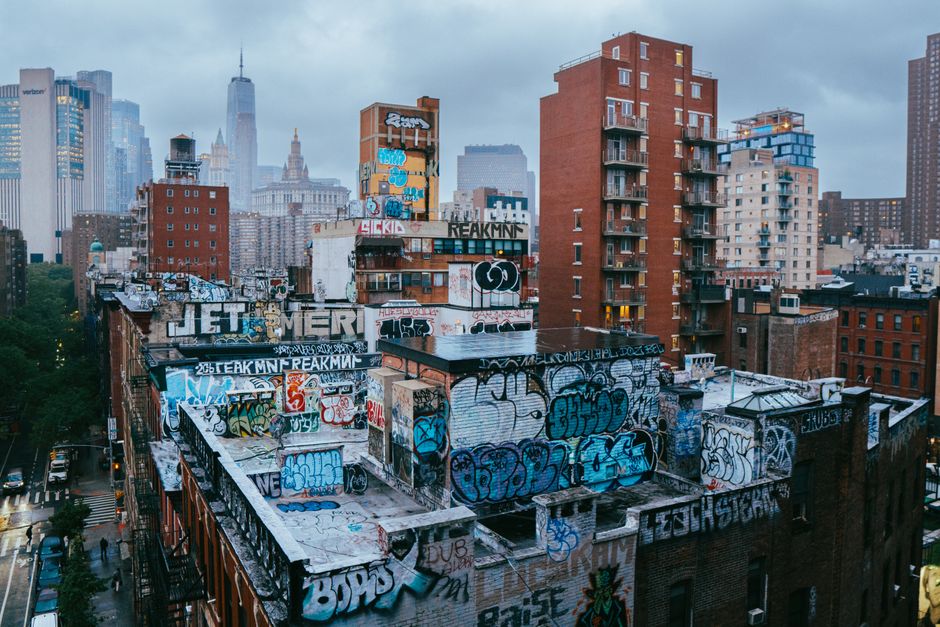
Walk down a block in Bushwick or Ridgewood on any given weekend, and you'll witness something that would have seemed unthinkable a decade ago: street art as a legitimized cultural movement with institutional backing, community investment, and a thriving ecosystem of galleries, studios, and collectives. But this shift hasn't come from top-down gentrification or corporate sponsorship alone. It's been driven by a determined network of artists, organizers, and neighborhood residents who've transformed public walls into platforms for cultural expression.
The change is most visible in East Williamsburg and South Bushwick, where organizations like Welling Court Mural Project have cultivated relationships with property owners and the city to create legal spaces for large-scale works. What began as a small grassroots initiative in 2010 has evolved into an annual spectacle, drawing thousands and generating an estimated $2.3 million in economic activity for the neighborhood. Similar models have taken root on the Lower East Side, where groups have worked with community boards to designate specific areas for legal muralism along Ludlow Street and Orchard Street.
The movement's real power, however, lies not in the finished works but in the organizing infrastructure beneath them. Artist collectives like the Bushwick Collective and neighborhoods' various neighborhood cultural councils have created frameworks for accessibility—mentorship programs for emerging artists, affordable studio space initiatives, and, crucially, a voice in how their neighborhoods develop. These groups have shown that street art need not be ephemeral or exclusionary; it can be a tool for community building and resistance against displacement.
Rental costs in these districts remain steep—a modest one-bedroom in prime Bushwick now averages $2,200—but the artistic infrastructure has helped create alternative pathways for creative workers. Artist co-ops, pop-up exhibition spaces, and design studios have established footholds in surrounding neighborhoods like Ridgewood and Astoria, where rents are comparatively lower. The spillover effect has been significant; property values along once-neglected streets have risen, bringing both opportunity and tension.
What distinguishes this moment from previous cycles is the consciousness with which artists are engaging. Community meetings about mural projects, transparent studio ownership models, and explicit conversations about gentrification have become standard practice. In a city where cultural shifts typically precede displacement, these organizing efforts represent an attempt to write a different story—one where artists don't simply prepare neighborhoods for wealthier newcomers, but shape their own futures within them.
This article was compiled by AI from the sources linked above and screened before publishing. See our editorial standards.