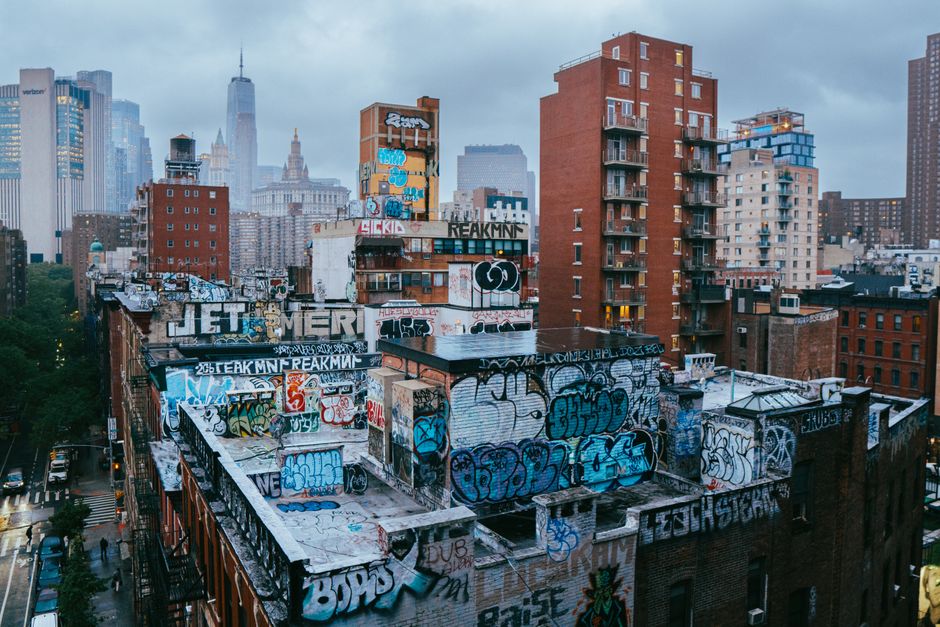
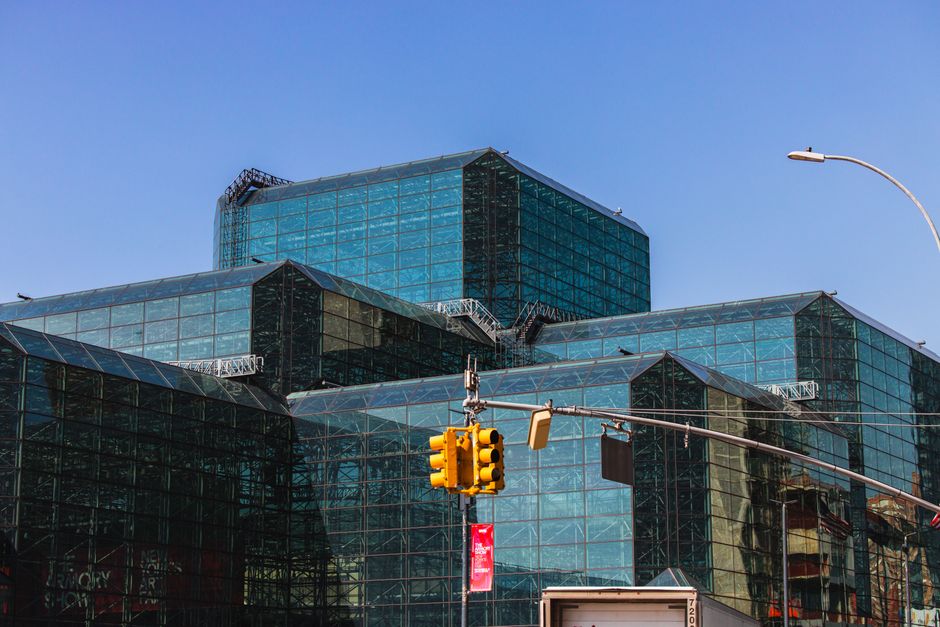
Walk through the Garment District today and you'll find few sewing machines. The blocks between Fifth and Ninth Avenues, 34th and 42nd Streets—once home to 300,000 garment workers and the beating heart of American fashion manufacture—have largely surrendered to corporate offices and luxury hotels. Yet this transformation tells the deeper story of how New York's fashion industry evolved from a scrappy production powerhouse into something far more influential: a global laboratory for creative risk-taking.
The shift began in earnest during the 1970s and 1980s, as labor costs and overseas manufacturing made traditional garment production untenable in Manhattan. Designers fled the crowded factories for cheaper spaces downtown. SoHo's cast-iron lofts became design studios; the Lower East Side attracted experimental makers; Williamsburg, once industrial Brooklyn, became home to emerging labels priced out of Manhattan proper. This geographic diaspora forced a reckoning: if New York couldn't compete on volume, it would compete on vision.
The results were seismic. While Paris had tradition and Milan had luxury heritage, New York cultivated something different—a scrappy, multicultural design ethos that rejected the rulebook. The Council of Fashion Designers of America, founded in 1962, professionalized the scene, but it was the independent spirit that mattered. Young designers like those who emerged from FIT (Fashion Institute of Technology) on Seventh Avenue brought diverse cultural perspectives to fashion, creating a genuinely cosmopolitan aesthetic.
Today, New York's creative industries generate an estimated $144 billion annually for the city's economy, with fashion design representing a significant portion. But the geography has fractured. While Fashion Week still anchors the calendar, the real action happens in distributed networks—design studios scattered across Brooklyn, the Garment District reborn as a creative hub for emerging brands, and a thriving ecosystem of schools, showrooms, and pop-up venues from Tribeca to the Lower East Side.
The evolution has accelerated. Sustainability concerns, digital transformation, and the pandemic's supply chain disruptions have pushed New York designers toward direct-to-consumer models and smaller-batch production—ironically echoing the artisanal values that shaped pre-industrial fashion. Young makers now operate from shared studio spaces that cost $800-$1,500 monthly, a fraction of prices from a decade ago, democratizing access to the scene.
What hasn't changed is the fundamental truth: New York remains where fashion ideas incubate fastest. Not because of geography or tradition, but because the city's restless creative energy—its immigrant legacy, its economic desperation, its refusal to accept the status quo—remains unmatched. The Garment District's looms may be silent, but its spirit thrives everywhere else.
This article was compiled by AI from the sources linked above and screened before publishing. See our editorial standards.